Protected bike lanes, like the one Pasadena is installing on Union Street, increase safety for all road users and reduce the likelihood of fatal crashes.



As the city of Pasadena installs its first protected bike lane, the Pasadena Complete Streets Coalition is encouraging the city to ensure its plans for bike safety move forward despite concerns from some critics about slowing down car traffic. Melanie Curry, writing for Streetsblog California, says that "in the past, the city has watered down plans for robust bike infrastructure in response to complaints about traffic being slowed down." But slower traffic is crucial to reducing the number and deadliness of car crashes, particularly on residential streets. Because slower speeds increase safety for everyone, "good design should be prioritized over concerns about slower car traffic."
"Protected bike lanes are safer for everyone using them, not just pedestrians and bicyclists," says John Lloyd of Pasadena Complete Streets in the article. The reduced speed required by protected bike lanes "leads to fewer fatalities and better road-safety outcomes for all road users." A 2019 study of 12 cities found that protected bike lanes "dramatically" reduced fatalities. "People make mistakes," said Lloyd, "but designing streets for slower speeds means fewer of those mistakes result in people dying."
FULL STORY: A Reminder that Protected Bike Lanes Can Make Streets Safer for Everyone

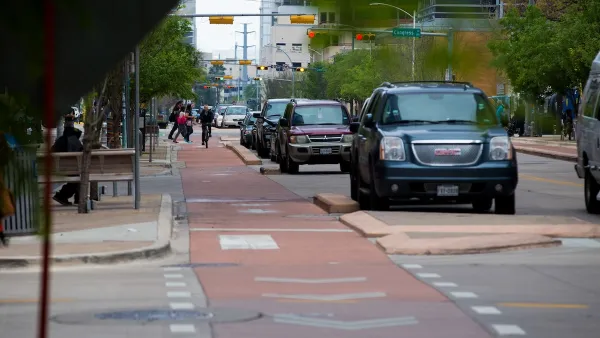
Austin Outlaws Blocking Bike Lanes
Drivers who park in bike lanes will receive citations of up to $300.
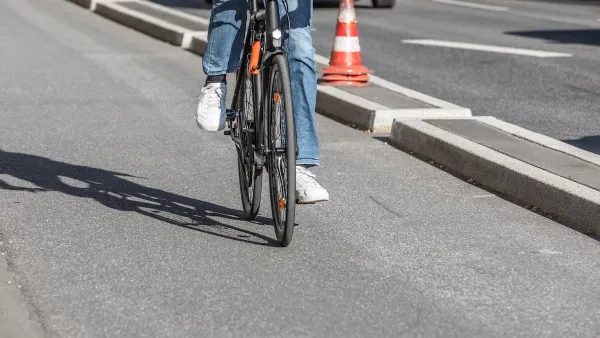
Southeast LA Road Safety Advocates Call for Improved Infrastructure
Streets in southeastern Los Angeles County have a severe lack of protected bike lanes and traffic safety measures, leading to high numbers of fatalities in a community where many residents depend on walking and biking for daily needs.
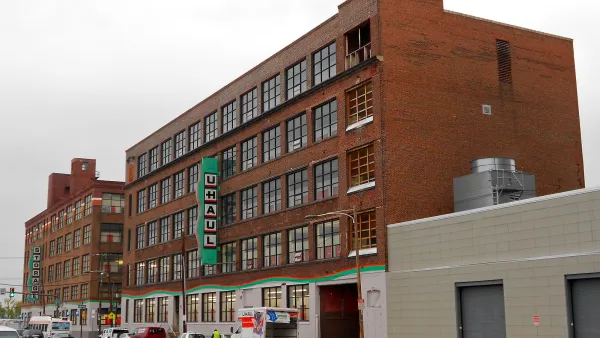
Why a Complete Streets Makeover Went Awry in Philadelphia
The city pulled the plug on a proposed street redesign after community groups criticized the public engagement process for not listening to all local voices.

Planetizen Federal Action Tracker
A weekly monitor of how Trump’s orders and actions are impacting planners and planning in America.

The state-sanctioned urbicide of Austin
People don’t kill cities. Freeways do.

US to reduce Colorado River water deliveries to Mexico
A new Colorado Treaty amendment reduces Mexico’s Colorado River water allocation by 250,000 acre feet.

Baltimore to break ground on $50 million Transit Priority Project
The project will bring faster bus trips, safer streets and better bike connections to Baltimore.

Airbnb launches $250 million 'last-dollar financing' housing accelerator, makes first investment in Austin
The company will put $6.4 million towards affordable housing development in Texas’ capital.

Guerilla urbanists are building DIY bus stop benches in Chicago
A before-and-after of one of the bus stops with a new bench. The new benches are not officially sanctioned or permitted, but the residents who placed them hope they will be the start of a network of DIY benches across the city.

FREE Course: Walkable City 1: Why Walkability?
After describing his path towards focusing on walkability as the essence of good planning, Jeff Speck marches through his five principal reasons for making more walkable places.
Reinventing Malls: Planning Alchemy—Turning Gray Fields Into Gold
The course focuses on the opportunities and imperatives that shape reinvention of mall sites.

Eagle County Government
Harvard University Graduate School of Design
Nashville Planning Department
The Architects Foundation
University of Cincinnati Online
The Pocatello Development Authority
The Urban Renewal Agency of the City of Pocatello
Journal of the American Planning Association