It's been exactly a year since the state approved a 3-cent increase in the gas tax with hard fought legislation that ties future increases to inflation. However, the automatic indexing of the gas tax may be undone by voters on November 4.


Many transportation policy experts advise that the federal and state gas taxes continually be adjusted for inflation, and many states, such as Kentucky, do just that. Modest increases can then bypass nasty legislative fights that make raising these taxes extremely difficult. Witness federal fuels taxes, stuck at 1993 levels, that explain why the Highway Trust Fund is projected to become insolvent late next month.
It's been a year since Massachusetts increased its gas tax (on July 30, 2013), the first time in over two decades. "The state's gas tax rose by 3 cents a gallon to 26.5 cents a gallon, including a 2.5 cent a gallon surcharge for cleaning underground storage tanks," wrote Dan Ring of Mass. Live last year.
The modest increase resulted from hard-fought legislation, vetoed by Gov. Deval Patrick for being too modest, but overridden by the legislature. It also tied future gas tax increases to inflation. On November 4, voters will decide whether to repeal those automatic increases set to begin next year as one of four ballot issues that result from citizen initiatives.
"Despite opposition by the group Tank the Gas Tax, which successfully gathered enough signatures to trigger a referendum to repeal the tax increase [sic], the 2013 measure is a sensible solution that stabilizes state gas tax revenues for future years," writes Tax Foundation policy intern Tyler Dennis.
While Question 1 does not repeal the 3.5-cent gas tax increase, it sets the framework for possibly having to wait another two decades for the legislature to increase the gas tax again should the initiative pass.
Even if voters reject Question 1, the citizen initiative illustrates one reason why many critics have called the gas tax unsustainable. Along with increasing fuel efficiency that result in less fuel used per vehicle, new vehicle technology that eliminates traditional taxable fuels, and demographic changes resulting in less driving, the political hurdles in raising the gas tax have many analysts calling for alternative revenue mechanisms such as mileage-based user fees.
For a full chronology of the gas tax repeal initiative, and how it relates to other tax increases repealed by the legislature, see Mass Live's Gas Tax article listing.
FULL STORY: Massachusetts Ballot Referendum Challenges Gas Tax Indexing

Mileage Fees Make Inroads in California and Michigan
Vehicle-miles-traveled fees made inroads with a potential "no-fee" pilot program in California and a new academic study in Michigan concluding that the state should adopt them. VMT fees may even get some attention in the MAP-21 Reauthorization.
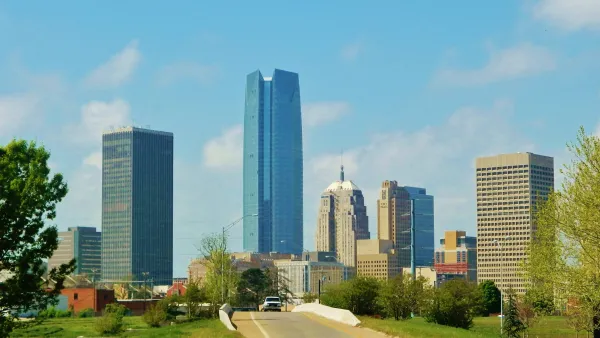
Oklahoma Launches 'Pay-per-Mile' Pilot
Mileage fee programs go by different names. In the West, it's the road usage charge or RUC. Oklahoma adopted a simpler term. What most have in common, though, is the for-profit company helping to manage them.
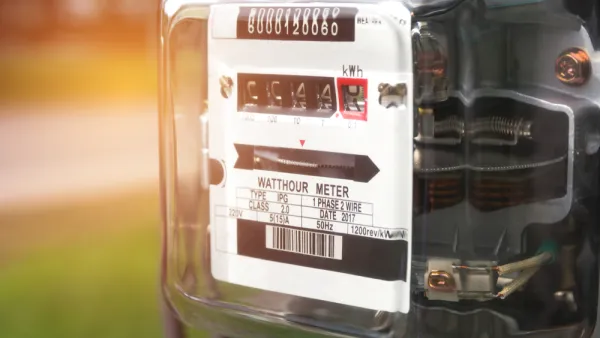
How Much Should Electric Vehicles Be Charged in Lieu of Gas Tax?
Currently, electric vehicles pay a $17.50 annual registration fee in Illinois. A bill to double the 19 cents per gallon gas tax, unchanged in almost 30 years, would also increase the EV fee over 57-fold to $1,000.

The state-sanctioned urbicide of Austin
People don’t kill cities. Freeways do.

US to reduce Colorado River water deliveries to Mexico
A new Colorado Treaty amendment reduces Mexico’s Colorado River water allocation by 250,000 acre feet.

New Jersey’s second-largest city bans standalone data centers
Jersey City will continue to allow co-location facilities, such as those meant for research institutions that store their own data.

Amtrak not solely to blame for New Jersey commuter rail's unreliability, report finds
A new study from the Garden State Initiative found that NJ Transit’s budget grew 20% across a 4 year period, but reliability declined significantly over the same period.

EPA erases limits on planet-warming pollution from power plants
Under Monday’s plan, power plants would still have some limits on how much mercury, arsenic and other contaminants they can emit.

Phoenix announces new on-demand transit service, more frequent RAPID buses
Both new services will launch in October, and are part of Phoenix's Project Effective Access Solutions for Easing Congestion.

FREE Course: Walkable City 1: Why Walkability?
After describing his path towards focusing on walkability as the essence of good planning, Jeff Speck marches through his five principal reasons for making more walkable places.
Reinventing Malls: Planning Alchemy—Turning Gray Fields Into Gold
The course focuses on the opportunities and imperatives that shape reinvention of mall sites.

Eagle County Government
Harvard University Graduate School of Design
Nashville Planning Department
The Architects Foundation
University of Cincinnati Online
The Pocatello Development Authority
The Urban Renewal Agency of the City of Pocatello
Journal of the American Planning Association