The region's transit-oriented development (TOD) plan requires a significant update to achieve the density and housing goals laid out in the MTC's 30-year vision.



In a detailed article, Jonathon Kass, transportation policy manager for SPUR, lays out a case for updating the Bay Area's plan for transit-oriented development (TOD), first developed in 2005.
Kass argues that achieving the vision laid out in the Metropolitan Transportation Commission (MTC)'s Plan Bay Area 2050–a 30-year vision for reaching climate goals, addressing the housing crisis, promoting equity, and improving transportation–requires a focus on transit-oriented communities and a revision of the state's outdated TOD plan, which does not do enough to incentivize effective TOD.
Kass asserts that to overcome local opposition and address community concerns effectively, local jurisdictions will "need incentives to encourage them to plan areas around transit as equitable, sustainable population and job centers. It is MTC’s job to create policies that encourage all communities to advance these regional goals."
According to Kass, the current TOD policy "is not only failing to deliver the transit-oriented communities we need, it is doing harm" with outdated density guidelines and a lack of protections against displacement or incentives for creating jobs or other services in TOD neighborhoods.
Kass provides a list of priorities that the new policy should address. These include: setting density growth targets for existing transit stops, prioritizing commercial development to create jobs and services, mandating community stabilization policies, and eliminating parking requirements.
Read the source article for the full list of suggestions and proposed improvements to the TOD policy.
FULL STORY: The Bay Area Won’t Meet Its Goals Without a New Transit-Oriented Development Policy


San Diego wants to limit upzoning law to just 16% of transit-adjacent parcels
The city's planning director says some areas are unfit for immediate upzoning due to a lack of resources or hazards such as wildfire risk.
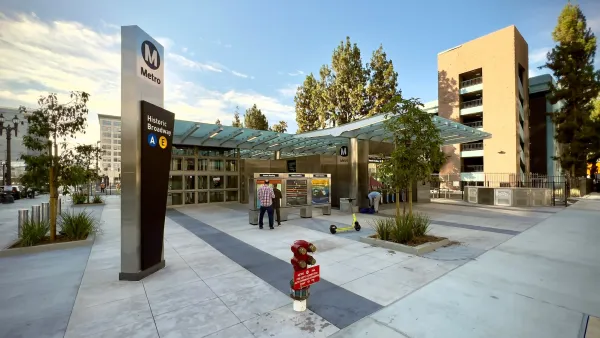
LA Delays State TOD Law to 2030 With its Own, Lower-density Plan
SB 79 allows cities to delay its implementation if they come up with alternate plans to boost density while retaining local control near transit.
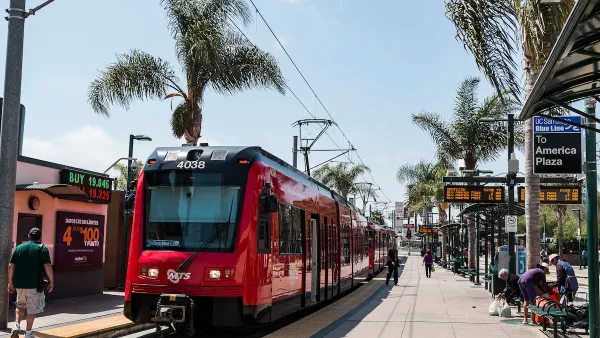
1,000 New Homes Sprouting Around San Diego Trolley Station
Multiple projects, helped along by city and state incentives, will densify the area around the Palm Avenue station.

Planetizen Federal Action Tracker
A weekly monitor of how Trump’s orders and actions are impacting planners and planning in America.

The state-sanctioned urbicide of Austin
People don’t kill cities. Freeways do.

US to reduce Colorado River water deliveries to Mexico
A new Colorado Treaty amendment reduces Mexico’s Colorado River water allocation by 250,000 acre feet.

Mamdani overhauls NYC's Vision Zero plan with 100 new policy goals
The overhaul aims to reduce traffic deaths and make streets safer for pedestrians, cyclists and drivers through lower speed limits, new safety infrastructure and more.

Amtrak not solely to blame for New Jersey commuter rail's unreliability, report finds
A new study from the Garden State Initiative found that NJ Transit’s budget grew 20% across a 4 year period, but reliability declined significantly over the same period.

EPA erases limits on planet-warming pollution from power plants
Under Monday’s plan, power plants would still have some limits on how much mercury, arsenic and other contaminants they can emit.

FREE Course: Walkable City 1: Why Walkability?
After describing his path towards focusing on walkability as the essence of good planning, Jeff Speck marches through his five principal reasons for making more walkable places.
Reinventing Malls: Planning Alchemy—Turning Gray Fields Into Gold
The course focuses on the opportunities and imperatives that shape reinvention of mall sites.

Eagle County Government
Harvard University Graduate School of Design
Nashville Planning Department
The Architects Foundation
University of Cincinnati Online
The Pocatello Development Authority
The Urban Renewal Agency of the City of Pocatello
Journal of the American Planning Association