The $2.50 subway fare is set to rise by a quarter, but will service improve? This New York Times article focuses on problems plaguing the 110-year-old New York subway (second oldest after Boston's), but fares are increasing for all MTA services.


According to the Metropolitan Transportation Authority (MTA) webpage, "Fares and tolls will go up by 4% over the next two years with the increases set to take effect March 22 on MTA New York City Transit buses and subways, MTA Bus, the MTA Staten Island Railway, and MTA Bridges and Tunnels (and) MTA Long Island Rail Road and MTA Metro-North Railroad.
“We are seeing a system that is bursting at the seams in terms of increased ridership,” Kevin Ortiz, a spokesman for the transportation agency, said.
The plan proposes $32 billion in spending over five years, but it is $15 billion short — the largest funding gap ever and a striking sign of the difference between what the system needs and what the authority can afford," writes Fitzsimmons.
As note here earlier, "(f)are increases are now scheduled to be raised every two years." "The previous increase, in 2013, raised the base fare to $2.50, from $2.25," wrote Fitzsimmons in January.
MTA is a state, not a city or regional agency. Gov. Andrew Cuomo "called the plan 'bloated' and has not addressed the funding gap, instead publicly drawing attention to other infrastructure projects, including a new Tappan Zee Bridge and his proposal for an AirTrain to La Guardia Airport."
Do you have a gripe about NYC subway service? Riders Alliance wants to know. Post your subway horror story on their webpage.
Read the full story: Crowds and Long Delays Fray Subway System and Riders’ Nerves

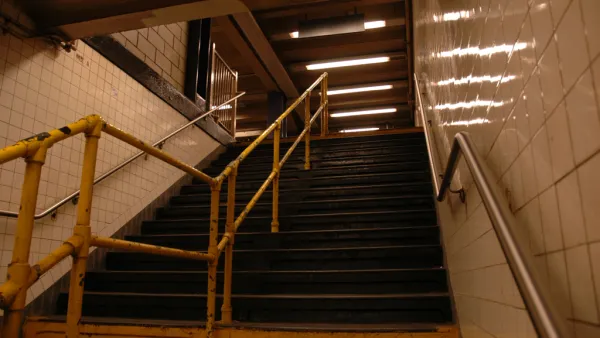
$5.5 Billion Plan for More Elevators in the N.Y.C. Subway
The city’s subway system is lagging in station accessibility, but the MTA has a plan to add elevators to 70 stations.
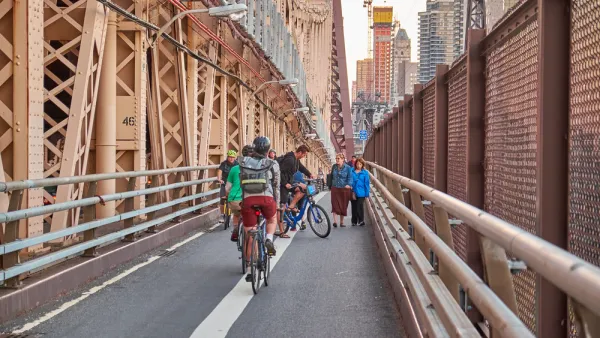
Op-Ed: Congestion Pricing Offers New York a 'Promising Path Forwards'
New York State Budget Director Robert Mujica penned a Sunday op-ed for the Daily News on the benefits of congestion pricing. On Tuesday, Gov. Cuomo broke the news on WNYC that he and Mayor de Blasio agreed on tolling the central business district.
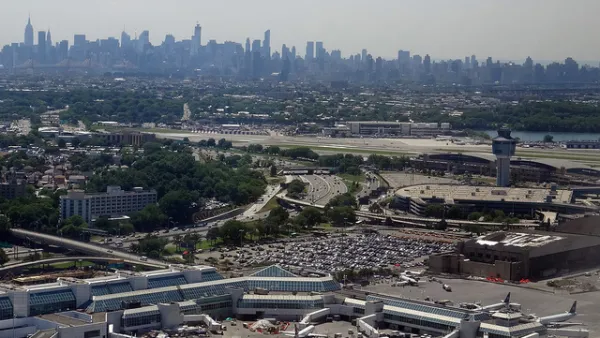
La Guardia AirTrain Plan Moves Forward, Circuitous Route and All
Not everyone thinks the governor’s expensive plan to improve access to the beleaguered airport will actually improve access.

Planetizen Federal Action Tracker
A weekly monitor of how Trump’s orders and actions are impacting planners and planning in America.

Amtrak, CN end decades-long dispute with eight-year agreement
The new operating agreement establishes an updated framework for the companies to work together, including processes to resolve disputes.

Judges permit Denver to divert 77,000 acre feet from the Colorado River for reservoir expansion
Overuse and climate change have caused the Colorado River’s water levels to plummet.

NYC DOT wants faster, more permanent street upgrades
The city is examining ways to build more concrete infrastructure without getting entangled in 'decades-long' projects.

'Something we’ve never seen before:' rising utility rates could strain city finances nationwide
Data centers, climate change and other factors have caused utility rates in the United States to increase by 38% since 2020.

Trump to overrule local leaders, lease millions of acres of America’s Pacific Island territories’ seafloors to mining companies
International law says that the Indigenous people of America’s territories have a right to prior and informed consent regarding projects that impact their countries.

FREE Course: Walkable City 1: Why Walkability?
After describing his path towards focusing on walkability as the essence of good planning, Jeff Speck marches through his five principal reasons for making more walkable places.
Reinventing Malls: Planning Alchemy—Turning Gray Fields Into Gold
The course focuses on the opportunities and imperatives that shape reinvention of mall sites.

Harvard University Graduate School of Design
KFH Group Inc.
Greater Baltimore Committee
The Architects Foundation
University of Cincinnati Online
The Pocatello Development Authority
The Urban Renewal Agency of the City of Pocatello