The NYC DOT program will build on pandemic-era initiatives to promote safe and comfortable streets that enhance community and expand uses beyond just moving cars.


In an article in Next City, Maylin Tu describes the New York City Department of Transportation’s new Office of Livable Streets, which calls itself the first of its kind in the nation. Sean Quinn, associate deputy commissioner for the new office, told Next City that “the rebrand was born from the pandemic and the ways that New Yorkers started using streets as places to connect and build community — for example, through the Open Streets program — rather than as places to drive or park a car.”
The initiative seeks to prioritize non-auto modes and redesign city streets to accommodate a variety of users safely. “The new office rebrands what was previously known as the Office of Street Improvements. It consists of different sub-units, including the Public Realm, Bike, Policy and Innovation, Street Furniture, Street Improvement Projects Central and Administration units.”
The office says it will focus on improving safety for micromobility — particularly as e-bikes and cargo bikes grow in popularity among delivery companies — and use a range of flexible interventions to redesign each block as appropriate.
FULL STORY: NYC’s New Office of Livable Streets Aims To Make Streets Safer, Greener and More Habitable

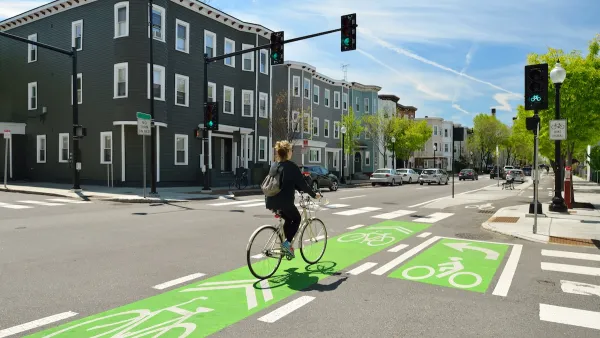
NACTO Releases Updated Urban Bikeway Guide
The third edition of the nationally recognized road design guide includes detailed design advice for roads that prioritize safety and accessibility for all users.
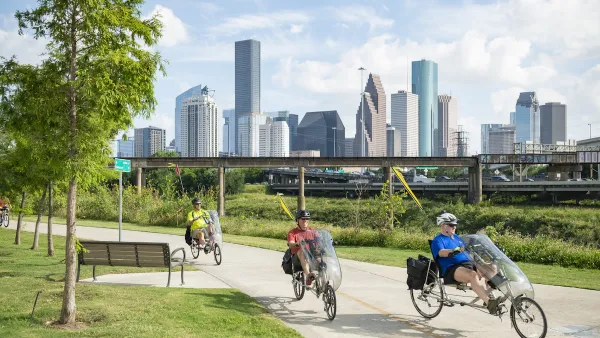
Houston Developers Question Mayor’s Stance on Pedestrian Projects
The new mayor’s reversal of road safety projects, some already underway or completed, is raising eyebrows among developers who say residents want walkable, mixed-use streets.
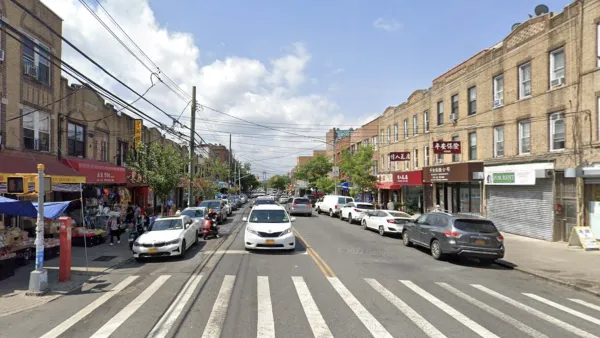
DOT Scraps Safety Plan for Two Brooklyn Avenues
An ambitious proposal to build protected bike lanes and install traffic calming measures on two dangerous Brooklyn avenues has been nixed by the agency, which plans to develop a new proposal in the coming months.

Planetizen Federal Action Tracker
A weekly monitor of how Trump’s orders and actions are impacting planners and planning in America.

The state-sanctioned urbicide of Austin
People don’t kill cities. Freeways do.

US to reduce Colorado River water deliveries to Mexico
A new Colorado Treaty amendment reduces Mexico’s Colorado River water allocation by 250,000 acre feet.

5 New England states march closer to 800 megawatt wind energy project
Securing federal approval for the project may be complicated under the Trump administration, which has historically been hostile towards domestic wind power.

Baltimore to break ground on $50 million Transit Priority Project
The project will bring faster bus trips, safer streets and better bike connections to Baltimore.

Airbnb launches $250 million 'last-dollar financing' housing accelerator, makes first investment in Austin
The company will put $6.4 million towards affordable housing development in Texas’ capital.

FREE Course: Walkable City 1: Why Walkability?
After describing his path towards focusing on walkability as the essence of good planning, Jeff Speck marches through his five principal reasons for making more walkable places.
Reinventing Malls: Planning Alchemy—Turning Gray Fields Into Gold
The course focuses on the opportunities and imperatives that shape reinvention of mall sites.

Eagle County Government
Harvard University Graduate School of Design
Nashville Planning Department
The Architects Foundation
University of Cincinnati Online
The Pocatello Development Authority
The Urban Renewal Agency of the City of Pocatello
Journal of the American Planning Association