Equity, safety, accessibility and affordability are front of mind as the city prepares for robotaxis and other autonomous vehicles.


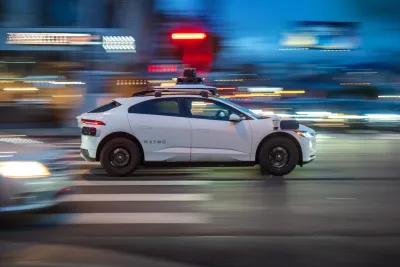
The Seattle Department of Transportation is preparing itself for autonomous vehicles, reports Dan Zukowski in Smart Cities Dive. Last summer, the department convened a working group known as the Autonomous Vehicle Inclusive Planning Cohort that has now released a report that outlines seven key priorities for the city.
According to Zukowski, “Seattle wants to set expectations for AV and robotaxi companies regarding data safety sharing, fair pricing for users and accessible vehicle designs.”
The working group’s recommendations focus on accessibility and affordability, safety standards, data sharing, and equity. The report calls for “Using Seattle DOT’s Racial Equity Toolkit to guide policy; developing partnerships between the AV industry and underserved communities and addressing embedded biases in AV technology.”
Currently, two companies, Zoox and Nvidia, hold street use permits that allow them to test autonomous cars on Seattle roads.
FULL STORY: Seattle outlines 7 priorities for autonomous vehicle adoption


Waymo's troubles with emergency vehicles are getting worse
In one case, first responders waited 53 minutes to reach a Waymo support representative during an emergency.
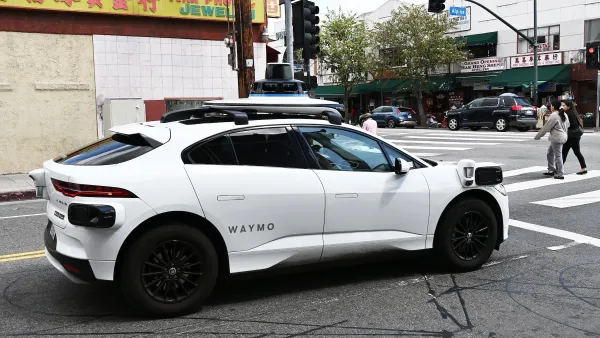
California cops will start ticketing robotaxis
The California DMV issued new guidance that allows law enforcement to give autonomous cars a "notice of noncompliance" when they break traffic laws.
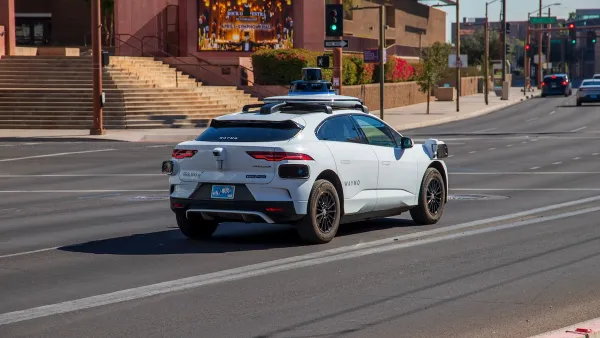
What Happens When a Robotaxi Gets Pulled Over?
In Phoenix, a police officer who pulled over a Waymo driving in the wrong lane was “unable to issue citation to computer.”

Planetizen Federal Action Tracker
A weekly monitor of how Trump’s orders and actions are impacting planners and planning in America.

The state-sanctioned urbicide of Austin
People don’t kill cities. Freeways do.

US to reduce Colorado River water deliveries to Mexico
A new Colorado Treaty amendment reduces Mexico’s Colorado River water allocation by 250,000 acre feet.

5 New England states march closer to 800 megawatt wind energy project
Securing federal approval for the project may be complicated under the Trump administration, which has historically been hostile towards domestic wind power.

Baltimore to break ground on $50 million Transit Priority Project
The project will bring faster bus trips, safer streets and better bike connections to Baltimore.

Airbnb launches $250 million 'last-dollar financing' housing accelerator, makes first investment in Austin
The company will put $6.4 million towards affordable housing development in Texas’ capital.

FREE Course: Walkable City 1: Why Walkability?
After describing his path towards focusing on walkability as the essence of good planning, Jeff Speck marches through his five principal reasons for making more walkable places.
Reinventing Malls: Planning Alchemy—Turning Gray Fields Into Gold
The course focuses on the opportunities and imperatives that shape reinvention of mall sites.

Eagle County Government
Harvard University Graduate School of Design
Nashville Planning Department
The Architects Foundation
University of Cincinnati Online
The Pocatello Development Authority
The Urban Renewal Agency of the City of Pocatello
Journal of the American Planning Association