A proposed expansion of Atlanta's beleaguered downtown streetcar could turn the 'novelty' line into a truly useful transportation option in the car-centric city.


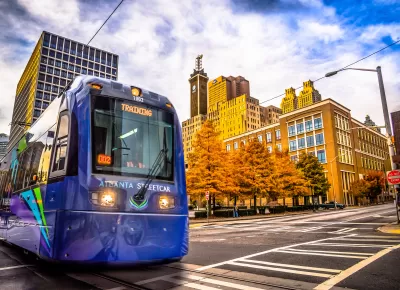
Josh Green reports on expansion plans for Atlanta's downtown streetcar, which, in its current 2.7-mile incarnation, only receives around 4,000 weekly rides and primarily serves tourists and the occasional sports fans. To put that number in perspective, writes Green, MARTA's heavy rail system saw close to 300,000 weekly rides in 2021, a number dramatically reduced from prior years by the pandemic.
While some see the streetcar, which opened in 2015, as a waste of taxpayer money, others want to see it expanded and connected to more areas. That's the plan for MARTA, which plans to expand the streetcar loop to the city's east side and "finally transform it from a tourist-supported novelty to a useful, local transportation option." The $225-million expansion will be funded by the More MARTA sales tax and connect the current line to the BeltLine and the Old Fourth Ward retail hub.
Earlier this year, MARTA's board authorized a feasibility study to assess the potential for extending the streetcar into the BeltLine corridor in preparation for requesting federal funding for the project.
FULL STORY: Seven years later, Atlanta Streetcar due for boost, MARTA says

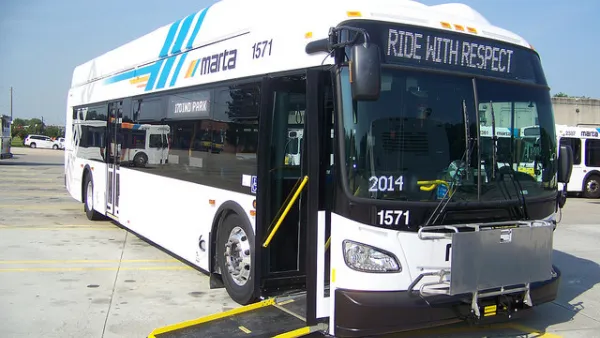
Atlanta One Step Closer to Bus Rapid Transit
The city’s transit agency says bus rapid transit will be cheaper and faster to build than light rail.
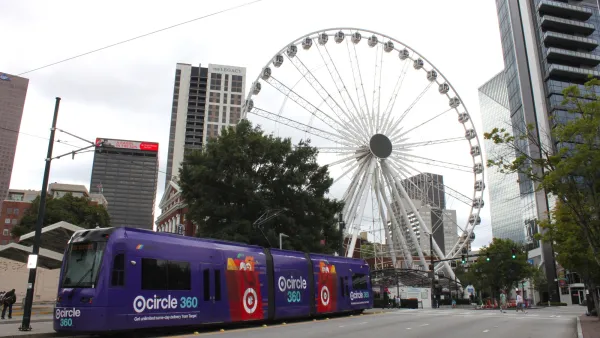
MARTA Streetcar Returns February 3
Streetcar service in Atlanta was suspended for five months for repairs and upgrades.
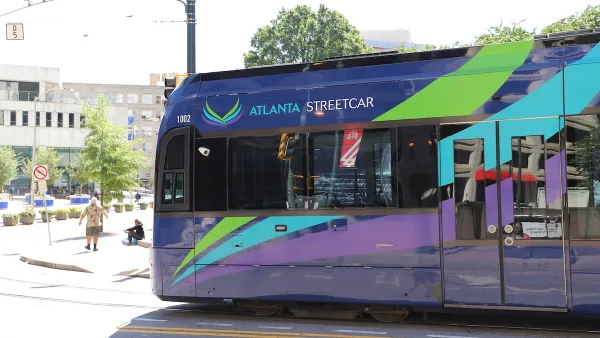
Atlanta Changes Beltline Rail Plan
City officials say they are committed to building rail connections, but are nixing a prior plan to extend the streetcar network.

The state-sanctioned urbicide of Austin
People don’t kill cities. Freeways do.

US to reduce Colorado River water deliveries to Mexico
A new Colorado Treaty amendment reduces Mexico’s Colorado River water allocation by 250,000 acre feet.

New Jersey’s second-largest city bans standalone data centers
Jersey City will continue to allow co-location facilities, such as those meant for research institutions that store their own data.

Amtrak not solely to blame for New Jersey commuter rail's unreliability, report finds
A new study from the Garden State Initiative found that NJ Transit’s budget grew 20% across a 4 year period, but reliability declined significantly over the same period.

EPA erases limits on planet-warming pollution from power plants
Under Monday’s plan, power plants would still have some limits on how much mercury, arsenic and other contaminants they can emit.

Phoenix announces new on-demand transit service, more frequent RAPID buses
Both new services will launch in October, and are part of Phoenix's Project Effective Access Solutions for Easing Congestion.

FREE Course: Walkable City 1: Why Walkability?
After describing his path towards focusing on walkability as the essence of good planning, Jeff Speck marches through his five principal reasons for making more walkable places.
Reinventing Malls: Planning Alchemy—Turning Gray Fields Into Gold
The course focuses on the opportunities and imperatives that shape reinvention of mall sites.

Eagle County Government
Harvard University Graduate School of Design
Nashville Planning Department
The Architects Foundation
University of Cincinnati Online
The Pocatello Development Authority
The Urban Renewal Agency of the City of Pocatello
Journal of the American Planning Association