The first environmental regulation to be rescinded under President Trump was the Stream Protection Rule. It will not be the last. The president has his eyes on a rule that limits greenhouse gas emissions from existing power plants.


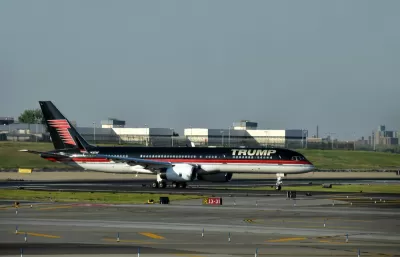
Unlike the Stream Protection Rule (which regulates the dumping of coal mining debris into bodies of water), which was rescinded by Congress and signed by President Donald Trump on Feb. 16, Trump is planning to use executive orders to revoke Obama's signature Clean Power Plan and environmental rules regulating water pollution, "according to individuals briefed on the measures," report Juliet Eilperin and Steven Mufson for The Washington Post.
While both directives will take time to implement, they will send an unmistakable signal that the new administration is determined to promote fossil-fuel production and economic activity even when those activities collide with some environmental safeguards. Individuals familiar with the proposals asked for anonymity to describe them in advance of their announcement, which could come as soon as this week.
In fact, Trump has already virtually rolled back the Clean Power Plan by removing it and all references to climate change from the While House website. Next step: erase it from the U.S. Environmental Protection Agency website.
The plan was put on hold by the U.S. Supreme Court a year ago after lawyers for 26 states, including Oklahoma's then attorney general, Scott Pruitt, sued the EPA. Pruitt who was confirmed on Feb. 17 to head the EPA.
The executive order will be titled along the lines of promoting energy independence, according to Eilperin and Mufson, presumably because it is meant to make burning coal easier. However, coal has been in decline primarily due to market forces, not environmental regulations.
The order will also instruct the Interior Department’s Bureau of Land Management to lift a moratorium on federal coal leasing imposed by President Obama last year during his State of the Union speech, add Eilperin and Mufson.
A second order will instruct the EPA and Army Corps of Engineers to revamp a 2015 rule, known as the Waters of the United States rule, that applies to 60 percent of the water bodies in the country.
In a piece last month in The Washington Post, Darryl Fears reports that the Obama Administration filed a brief in its defense as the rule has been on hold after 13 states, including Scott Pruitt on behalf of Oklahoma, sued the EPA.
Per the EPA, the U.S. Court of Appeals for the Sixth Circuit (Cincinnati, Ohio) stayed the Clean Water Rule in October 2015.
Anticipating that the new administration would not support the rule, Fears writes that according to Department of Justice Assistant Attorney General John Cruden, in order to undo the rule, "the Trump administration would have to take the same arduous path that the EPA and Army Corps took to create it."
FULL STORY: Trump to roll back Obama’s climate, water rules through executive action

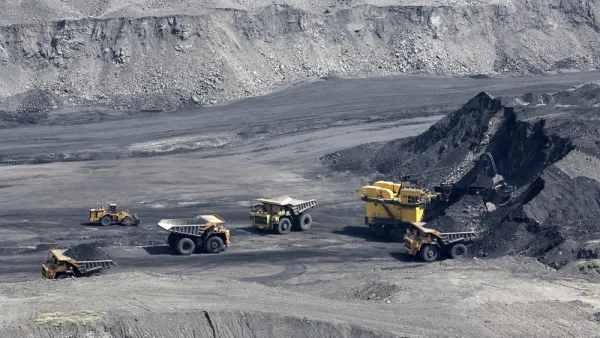
Coal Miners Are Going Back to Work, Proclaims Trump Upon Signing Executive Order
Flanked by coal miners, President Trump signed an executive order on Tuesday that begins the roll back of his predecessor's signature environmental rule, the Clean Power Plan, and other environmental regulations to facilitate energy production.
Climate Change Removed from White House Website
Well, that didn't take long! Goodbye Obama Clean Action Plan and restrictive environmental regulations; hello shale oil and gas revolution.
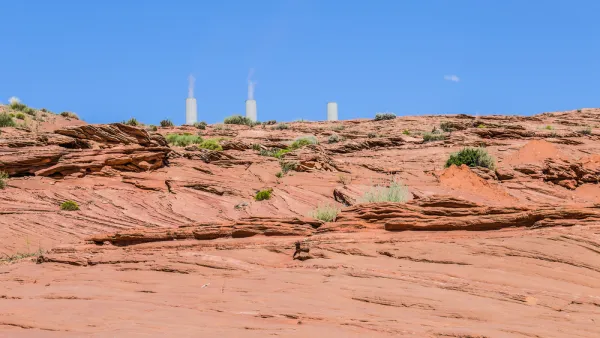
Trump Administration to Repeal Obama's Clean Power Plan
"The war on coal is over," says EPA Administrator Scott Pruitt.

The state-sanctioned urbicide of Austin
People don’t kill cities. Freeways do.

US to reduce Colorado River water deliveries to Mexico
A new Colorado Treaty amendment reduces Mexico’s Colorado River water allocation by 250,000 acre feet.

New Jersey’s second-largest city bans standalone data centers
Jersey City will continue to allow co-location facilities, such as those meant for research institutions that store their own data.

Amtrak not solely to blame for New Jersey commuter rail's unreliability, report finds
A new study from the Garden State Initiative found that NJ Transit’s budget grew 20% across a 4 year period, but reliability declined significantly over the same period.

EPA erases limits on planet-warming pollution from power plants
Under Monday’s plan, power plants would still have some limits on how much mercury, arsenic and other contaminants they can emit.

Phoenix announces new on-demand transit service, more frequent RAPID buses
Both new services will launch in October, and are part of Phoenix's Project Effective Access Solutions for Easing Congestion.

FREE Course: Walkable City 1: Why Walkability?
After describing his path towards focusing on walkability as the essence of good planning, Jeff Speck marches through his five principal reasons for making more walkable places.
Reinventing Malls: Planning Alchemy—Turning Gray Fields Into Gold
The course focuses on the opportunities and imperatives that shape reinvention of mall sites.

Eagle County Government
Harvard University Graduate School of Design
Nashville Planning Department
The Architects Foundation
University of Cincinnati Online
The Pocatello Development Authority
The Urban Renewal Agency of the City of Pocatello
Journal of the American Planning Association