Bus systems all over the country are cutting service due to an ongoing shortage of operators—the drivers who make the whole system go. A few examples of success provide a way forward.


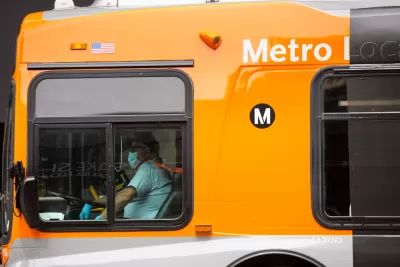
The shortage of bus drivers around the country reached crisis proportions long ago. Cities everywhere are cutting service for lack of drivers, including Seattle in March, Portland in June, and Milwaukee in October. A March 2022 survey by the American Public Transportation Association found that nine out of ten transit agencies are having trouble hiring bus operators. Another 71 percent of transit agencies are cutting or delaying service due to ongoing operator shortages.
According to an article published by TransitCenter, two transit agencies, the New York Metropolitan Transit Authority and the San Diego Metropolitan Transit Authority (MTS), are outperforming their peers when it comes to hiring and retaining operators. Interviews with Craig Cipriano, chief operating officer of New York City Transit, and Sharon Cooney, CEO of MTS, provide insight into how their agencies have been able to maintain their workforces.
The article cites competitive wages as a primary driver, especially in New York City. San Diego has offered $5,000 signing bonuses and removed human resources backlogs to make it easier to get people on the job. The MTA has increased training and licensing capacity to keep a steady flow of new recruits behind the wheel. San Diego reports various stages of development on new parking and childcare facilities to help younger people and mothers, especially, navigate the non-standard work hours of drivers.
A primary concern of both agencies is the safety and health of operators. While the risks of Covid-19 for drivers have lessened since early 2020, operators have been sounding alarms about an increasing number of assaults. Protective barriers, extra conflict resolution training, and improved communications are touted as safety measures already in place in New York.
FULL STORY: How to Maintain a Frontline Workforce in 2022

Profiling NYC Transit's New President—Starting the Job Just Days Before a Global Crisis
Sarah Feinberg took over as the interim president of New York City Transit on March 2, 2020. In May 2020, Feinberg rides the subway to a deserted office to begin the work of bringing public transit back from an unprecedented crisis.
NYC to Upgrade 1/3 of its Subway Car Fleet
The MTA is seeking proposals for up to 2,390 new subway cars to upgrade its aging fleet.
New York MTA to Reimagine Subway Bottleneck
Changes proposed in a recently approved five-year plan would resolve a nearly century-old snarl that routinely delays trains.

Planetizen Federal Action Tracker
A weekly monitor of how Trump’s orders and actions are impacting planners and planning in America.

The state-sanctioned urbicide of Austin
People don’t kill cities. Freeways do.

US to reduce Colorado River water deliveries to Mexico
A new Colorado Treaty amendment reduces Mexico’s Colorado River water allocation by 250,000 acre feet.

Mamdani overhauls NYC's Vision Zero plan with 100 new policy goals
The overhaul aims to reduce traffic deaths and make streets safer for pedestrians, cyclists and drivers through lower speed limits, new safety infrastructure and more.

Amtrak not solely to blame for New Jersey commuter rail's unreliability, report finds
A new study from the Garden State Initiative found that NJ Transit’s budget grew 20% across a 4 year period, but reliability declined significantly over the same period.

EPA erases limits on planet-warming pollution from power plants
Under Monday’s plan, power plants would still have some limits on how much mercury, arsenic and other contaminants they can emit.

FREE Course: Walkable City 1: Why Walkability?
After describing his path towards focusing on walkability as the essence of good planning, Jeff Speck marches through his five principal reasons for making more walkable places.
Reinventing Malls: Planning Alchemy—Turning Gray Fields Into Gold
The course focuses on the opportunities and imperatives that shape reinvention of mall sites.

Eagle County Government
Harvard University Graduate School of Design
Nashville Planning Department
The Architects Foundation
University of Cincinnati Online
The Pocatello Development Authority
The Urban Renewal Agency of the City of Pocatello
Journal of the American Planning Association