Officials estimate the cost of building a single underground parking space at up to $100,000.


Boulder, Colorado’s city council voted unanimously to eliminate parking requirements for new developments. The ordinance requires one final vote and is expected to take effect in August.
According to an article by John Herrick for Boulder Reporting Lab, “The change is intended to reduce the cost of building housing and opening businesses, while helping the city transition away from an urban landscape designed with cars in mind. It’s also part of a broader push to promote alternatives to driving.”
The ordinance goes above and beyond a state law that bars cities from enacting parking minimums near transit stops by covering the entire city. “A separate ordinance approved on Thursday also revises Boulder’s neighborhood parking permit program. It will soon apply to areas outside of low-density neighborhoods and reduce the number of permits available per household to one permit per licensed driver.”
“Later this year, the Boulder City Council will consider a transportation demand management policy aimed at encouraging people to walk, bike or take transit instead of driving. A central component would require developers to pay into a fund that subsidizes alternative transportation options, such as free bus passes or Lime e-scooter accounts, for residents and employees.” The city also plans to update its regulations to require bike parking, as well as larger spaces for cargo bikes and e-bike charging facilities.
FULL STORY: Boulder to end parking mandates for new developments citywide in major shift

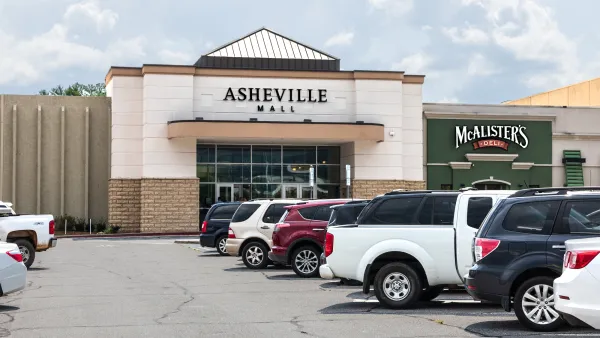
Asheville reconsiders parking minimums as surface parking eats up over a third of downtown real estate
Housing advocates say parking requirements are unnecessary and induce sprawl.
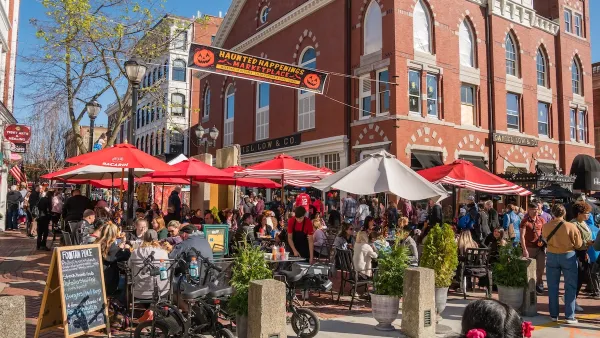
Salem, Massachusetts Eliminates Parking Minimums
An analysis found that the city’s real parking demand is around 0.85 spots per housing unit, far less than the 1.5 spaces required under the old zoning code.

Washington State Legislature Passes Parking Reform Bill
A bill that would limit parking requirements for new developments is headed to the governor’s desk.

Planetizen Federal Action Tracker
A weekly monitor of how Trump’s orders and actions are impacting planners and planning in America.

The state-sanctioned urbicide of Austin
People don’t kill cities. Freeways do.

US to reduce Colorado River water deliveries to Mexico
A new Colorado Treaty amendment reduces Mexico’s Colorado River water allocation by 250,000 acre feet.

Guerilla urbanists are building DIY bus stop benches in Chicago
A before-and-after of one of the bus stops with a new bench. The new benches are not officially sanctioned or permitted, but the residents who placed them hope they will be the start of a network of DIY benches across the city.

Mamdani overhauls NYC's Vision Zero plan with 100 new policy goals
The overhaul aims to reduce traffic deaths and make streets safer for pedestrians, cyclists and drivers through lower speed limits, new safety infrastructure and more.

Amtrak not solely to blame for New Jersey commuter rail's unreliability, report finds
A new study from the Garden State Initiative found that NJ Transit’s budget grew 20% across a 4 year period, but reliability declined significantly over the same period.

FREE Course: Walkable City 1: Why Walkability?
After describing his path towards focusing on walkability as the essence of good planning, Jeff Speck marches through his five principal reasons for making more walkable places.
Reinventing Malls: Planning Alchemy—Turning Gray Fields Into Gold
The course focuses on the opportunities and imperatives that shape reinvention of mall sites.

Eagle County Government
Harvard University Graduate School of Design
Nashville Planning Department
The Architects Foundation
University of Cincinnati Online
The Pocatello Development Authority
The Urban Renewal Agency of the City of Pocatello
Journal of the American Planning Association