City officials say serious crashes are down by 34 percent on streets that were the target of Complete Streets projects.


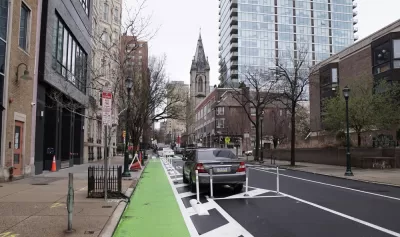
According to Philadelphia city officials, crashes with fatalities or serious injuries are down 34 percent on streets that received traffic calming projects, reports Thomas Fitzgerald in The Philadelphia Inquirer.
“That conclusion was based on comparing crash data on 35 stretches of roadway where the city or PennDot has built traffic-calming features with the number and severity of collisions on similar streets that were not changed,” Fitzgerald explains.
Anecdotally, residents living near the Cobb Creek Parkway, one of the streets that received a safety overhaul in 2021, say traffic is noticeably more tame.
The safety projects are part of Philadelphia’s Complete Streets initiative, which includes road diets, separated bike lanes, and Neighborhood Slow Zones, focused especially around schools. “Since the first two [Neighborhood Slow Zones] were installed in Fairhill and around Willard Elementary School in 2022, the zones have had no fatal or serious injury crashes. All reported crashes in the zones are down 75%.”
The city has a reserve of $220 million in state, federal, and local funding to continue building on Complete Streets projects over the next several years.
FULL STORY: Serious car crashes down 34% on Philly streets with traffic-calming measures, city says

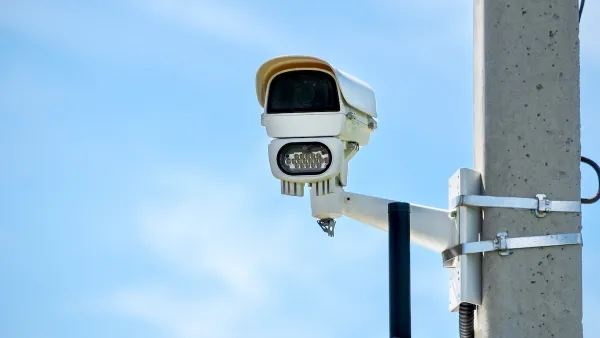
Philly Speed Camera Program Cuts Fatalities in Half
Excessive speeding along dangerous segments of Roosevelt Boulevard dropped by 90 percent after the city installed automated enforcement cameras.
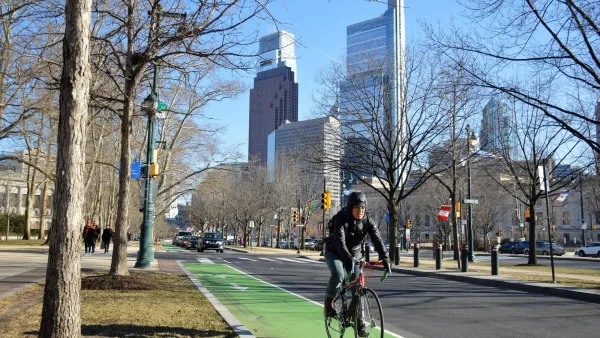
Philly Road Safety Advocates Call for Action From the City
Mayor Parker’s administration is proposing massive cuts to the city’s Vision Zero program while pedestrian and cyclist deaths remain high.
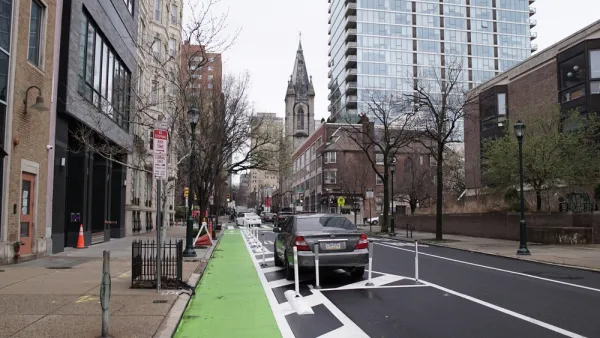
Philly Mayor Proposes Major Cuts to Vision Zero
Despite promises to make the city’s roadways safer for pedestrians and cyclists, the proposed budget slashes Vision Zero funding nearly in half.

Planetizen Federal Action Tracker
A weekly monitor of how Trump’s orders and actions are impacting planners and planning in America.

The state-sanctioned urbicide of Austin
People don’t kill cities. Freeways do.

US to reduce Colorado River water deliveries to Mexico
A new Colorado Treaty amendment reduces Mexico’s Colorado River water allocation by 250,000 acre feet.

Colorado’s Largest Data Center Could Rise Next to Homes — Without a Public Hearing
The proposed campus would consume 11 times the power of Denver International Airport; as it has across the country, opposition mounts.

5 New England states march closer to 800 megawatt wind energy project
Securing federal approval for the project may be complicated under the Trump administration, which has historically been hostile towards domestic wind power.

Baltimore to break ground on $50 million Transit Priority Project
The project will bring faster bus trips, safer streets and better bike connections to Baltimore.

FREE Course: Walkable City 1: Why Walkability?
After describing his path towards focusing on walkability as the essence of good planning, Jeff Speck marches through his five principal reasons for making more walkable places.
Reinventing Malls: Planning Alchemy—Turning Gray Fields Into Gold
The course focuses on the opportunities and imperatives that shape reinvention of mall sites.

Eagle County Government
Harvard University Graduate School of Design
Nashville Planning Department
The Architects Foundation
University of Cincinnati Online
The Pocatello Development Authority
The Urban Renewal Agency of the City of Pocatello
Journal of the American Planning Association