Regional transportation officials gathered recently in Atlanta to tout a new era of regional cooperation, focused on delivering public transit improvements.


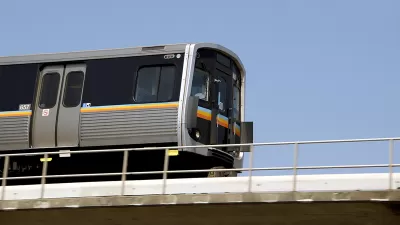
A recent ULI Atlanta-sponsored panel discussion provided a chance for the region's transportation leadership to present a new narrative on how they are working together to "provide transit linkages and more options to increase connectivity and mobility across the region."
According to an article by Sarah Kirsch and Daphne Bond-Godfrey, Atlanta’s traffic woes are the well-known story, but there's also a lesser-known story, about a "remarkable level of investment and coordination currently underway among our state and regional agencies to make significant changes in how Atlantans move around and through the region."
The momentum began in earnest in 2015 when House Bill 170 passed, providing additional, dedicated, cost adjusted funding for transportation investment across the state of Georgia. In 2016, residents of the City of Atlanta voted to tax themselves for “More MARTA” which will inject $2.5 billion unleveraged into City of Atlanta transit and mobility projects. In 2018, we expect to see more such referenda where residents have the option to tax themselves for specific local transportation investments.
The event featured speakers from the city of Atlanta, the Georgia Regional Transportation Authority/State Road and Tollway Authority, the Metropolitan Atlanta Rapid Transit Authority, the Perimeter CIDs, and the Atlanta Regional Commission.
FULL STORY: Atlanta’s Changing Transportation Ecosystem

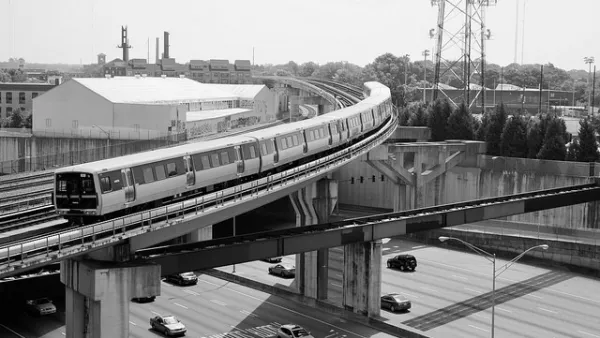
76 Projects on Atlanta's Transit Wishlist
The recently formed Atlanta-Region Transit Link Authority released a new regional transit plan.

Streetcar Connection to the Beltline Could Benefit From Federal Funding
Flush with federal stimulus cash and angling for more, planners in Atlanta will explore alignment for a potential rail transit connection to the Beltline.

Why Gwinnett County Rejected a Transit Tax Again
Coronavirus and a heavy rail project doomed a transit sales tax in Gwinnett County, Georgia, according to this election post-mortem.

The state-sanctioned urbicide of Austin
People don’t kill cities. Freeways do.

US to reduce Colorado River water deliveries to Mexico
A new Colorado Treaty amendment reduces Mexico’s Colorado River water allocation by 250,000 acre feet.

New Jersey’s second-largest city bans standalone data centers
Jersey City will continue to allow co-location facilities, such as those meant for research institutions that store their own data.

Amtrak not solely to blame for New Jersey commuter rail's unreliability, report finds
A new study from the Garden State Initiative found that NJ Transit’s budget grew 20% across a 4 year period, but reliability declined significantly over the same period.

EPA erases limits on planet-warming pollution from power plants
Under Monday’s plan, power plants would still have some limits on how much mercury, arsenic and other contaminants they can emit.

Phoenix announces new on-demand transit service, more frequent RAPID buses
Both new services will launch in October, and are part of Phoenix's Project Effective Access Solutions for Easing Congestion.

FREE Course: Walkable City 1: Why Walkability?
After describing his path towards focusing on walkability as the essence of good planning, Jeff Speck marches through his five principal reasons for making more walkable places.
Reinventing Malls: Planning Alchemy—Turning Gray Fields Into Gold
The course focuses on the opportunities and imperatives that shape reinvention of mall sites.

Eagle County Government
Harvard University Graduate School of Design
Nashville Planning Department
The Architects Foundation
University of Cincinnati Online
The Pocatello Development Authority
The Urban Renewal Agency of the City of Pocatello
Journal of the American Planning Association