The city of Chicago is already taxing rides with transportation network companies like Uber and Lyft. Now mayor Rahm Emanual wants to raise those fees and spend the extra money on transit projects.


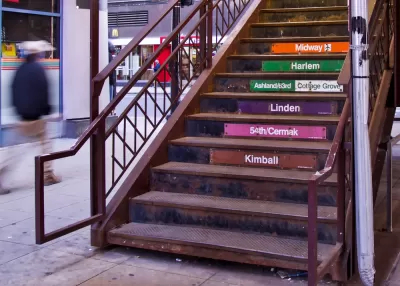
Heather Cherone breaks the news about a potentially game changing proposal in Chicago, where "[t]he city is set to raise taxes on Uber or Lyft rides by 29 percent next year to fund improvements to CTA bus and train lines."
Mayor Rahm Emanual announced the proposed tax earlier this week, but the City Council still needs to approve the tax next month. If approved, "the city will add 67 cents to the cost of every ride hailed with a service such as Uber or Lyft next year, up from the current charge of 52 cents per ride," according to Cherone. " In 2019, that surcharge will rise another 5 cents to 72 cents — a 38 percent increase from 2017 rates, according to the mayor's proposal."
The city's existing rideshare taxes and fees are already generating a significant chunk of revenue—$56.9 million in 2016, with 81 percent of the money coming from Uber and Lyft. "In 2017, the city expects to collect $85.2 million, with 88 percent coming from Uber and Lyft," adds Cherone.
FULL STORY: New Tax On Uber, Lyft Would Pay For CTA Improvements, Rahm Says

Chicago's Innovative Ride-Hailing Tax Approved
The Chicago City Council has approved a new budget that includes a new transit funding mechanism that could level the playing field for transit.

Op-Ed: Ride Sharing Tax Will Help Poor
Chicago's Mayor Emanuel's proposed tax would be used for the benefit of transit.
New Research Connects Land Use to Ride-Hailing Trips
Many of the places in Chicago generating the most ride-hailing trips with services like Uber and Lyft are accessible by transit, according to new research.

The state-sanctioned urbicide of Austin
People don’t kill cities. Freeways do.

US to reduce Colorado River water deliveries to Mexico
A new Colorado Treaty amendment reduces Mexico’s Colorado River water allocation by 250,000 acre feet.

New Jersey’s second-largest city bans standalone data centers
Jersey City will continue to allow co-location facilities, such as those meant for research institutions that store their own data.

Amtrak not solely to blame for New Jersey commuter rail's unreliability, report finds
A new study from the Garden State Initiative found that NJ Transit’s budget grew 20% across a 4 year period, but reliability declined significantly over the same period.

EPA erases limits on planet-warming pollution from power plants
Under Monday’s plan, power plants would still have some limits on how much mercury, arsenic and other contaminants they can emit.

Phoenix announces new on-demand transit service, more frequent RAPID buses
Both new services will launch in October, and are part of Phoenix's Project Effective Access Solutions for Easing Congestion.

FREE Course: Walkable City 1: Why Walkability?
After describing his path towards focusing on walkability as the essence of good planning, Jeff Speck marches through his five principal reasons for making more walkable places.
Reinventing Malls: Planning Alchemy—Turning Gray Fields Into Gold
The course focuses on the opportunities and imperatives that shape reinvention of mall sites.

Eagle County Government
Harvard University Graduate School of Design
Nashville Planning Department
The Architects Foundation
University of Cincinnati Online
The Pocatello Development Authority
The Urban Renewal Agency of the City of Pocatello
Journal of the American Planning Association