Environment
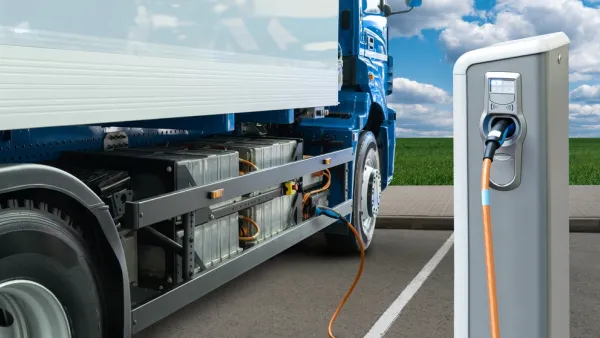
Can Federal Emissions Standards Hasten the Transition to EVs?
The EPA unveiled two far-reaching rules to tighten emission standards for light, medium and heavy duty vehicles that can only be met by transitioning to zero-emission vehicles. The proposal is certain to be challenged in court as an agency overreach.
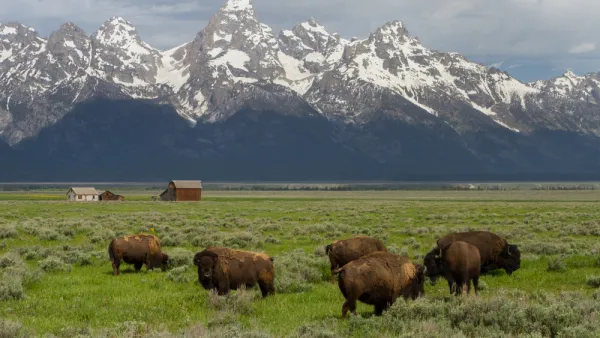
Public Lands Rule Would Center Conservation
After decades of protecting extractive interests, federal law could reverse course and put conservation on par with other uses.
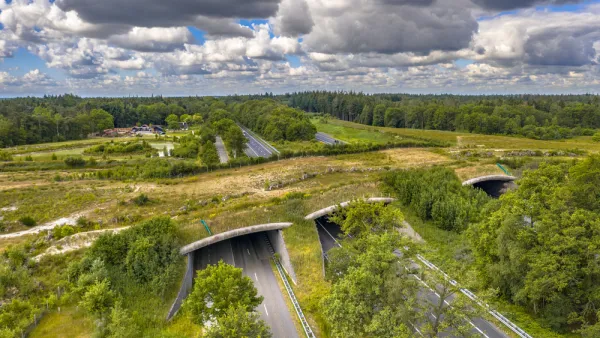
USDOT Federal Grant Program Will Fund Wildlife Crossings
The funding will support projects that reduce the risk of vehicle-wildlife collisions and improve habitat connectivity.
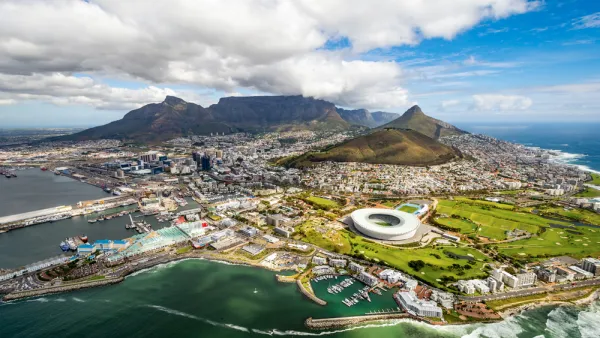
Study: Inequity Surfaces During Water Crises
As the world’s water supply becomes more threatened, the wealthiest people are exacerbating the crisis through non-essential uses while the poor are the first to lose access to water.
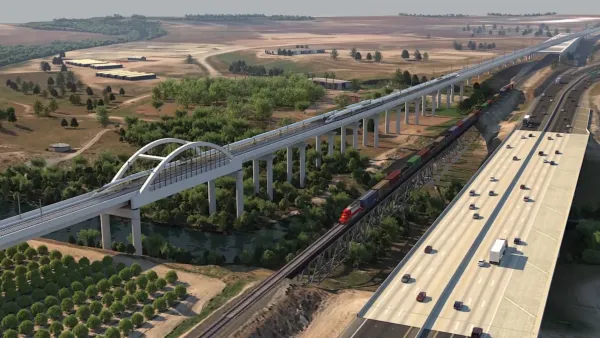
CA High-Speed Rail’s Latest Challenge: Floodwater
The historic precipitation that fell on the state of California in past months poses a unique and unanticipated threat to the state’s big infrastructure project in the Central Valley.

Dramatic Decline in New EV Models to Qualify for Federal Tax Credit
The Treasury Department released long-awaited rules required by the historic Inflation Reduction Action on March 31 that will determine which electric vehicle models purchased after April 17 will qualify for a federal credit up to $7,500.
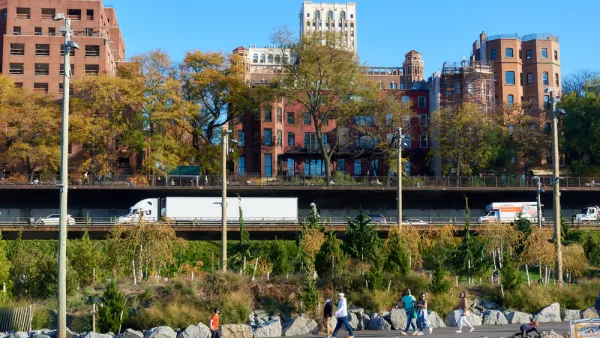
Expressway Expansion Could Threaten Brooklyn Bridge Park
Supporters of the waterfront park worry NYCDOT’s plan to potentially widen the Brooklyn-Queens Expressway could reduce green space in “one of the most expensive urban parks ever built.”
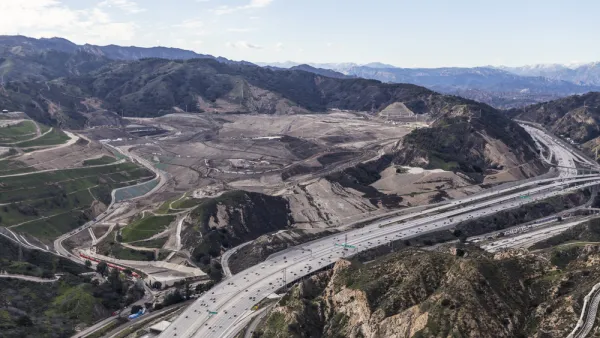
From Degraded Lands to Parks: Advancing Environmental Justice
The restoration of degraded lands, including properties occupied by abandoned, redundant, or unwanted infrastructure, is of great importance in Los Angeles County, where numerous underserved communities are plagued with environmental burdens.
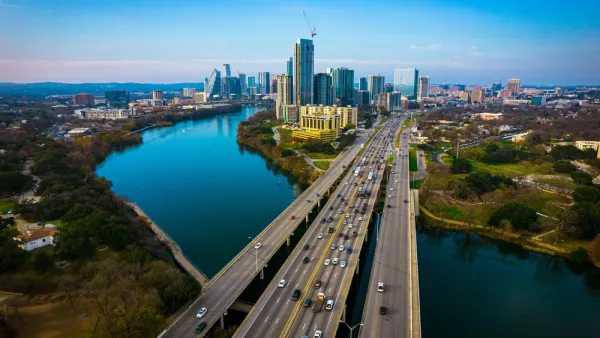
Controversial Highway Widening Breaks Ground in Austin
Texas’ transportation priorities were on display in March—a few days after the gutting of a transit plan, a highway expansion broke ground depite years of local opposition.
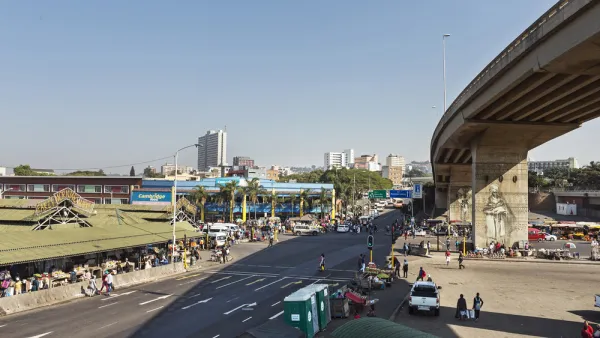
6 International Models of Urban Revitalization
The New York Times recently published an article exploring six cities from around the world reinventing themselves for the 21st century: Paris, Sydney, Medellin, Lisbon, Singapore, and Durban.
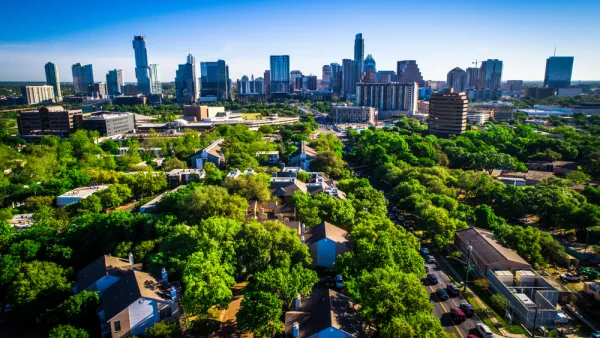
Street Trees as Climate Resilience
An Austin-based urban designer explains how protecting and encouraging the planting of street trees will make the city more resilient to increasingly common extreme heat events, among many other benefits.
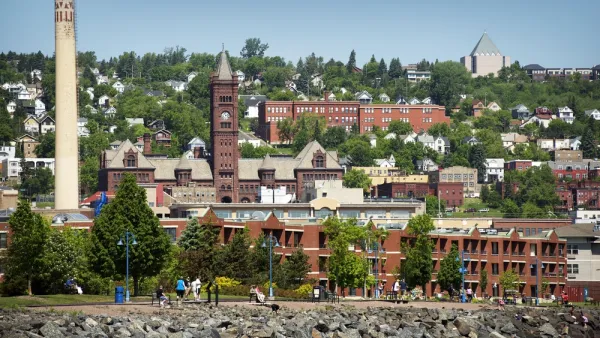
‘Climate-Proof Duluth’ Is Changing
Climate refugees are already on the move in the United States. The New York Times recently conducted an exploration on of the most desirable locations to escape wildfires, drought, and sea-level rise.
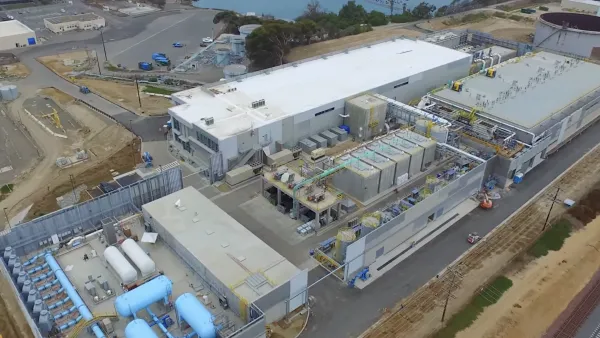
Federal Loan to Support San Diego Desalination Plant Overhaul
The financing will go toward funding an updated cooling system and ensuring the protection of local marine life.

The Joy of Walking
An essay meditating on the simple pleasures of a good walk.
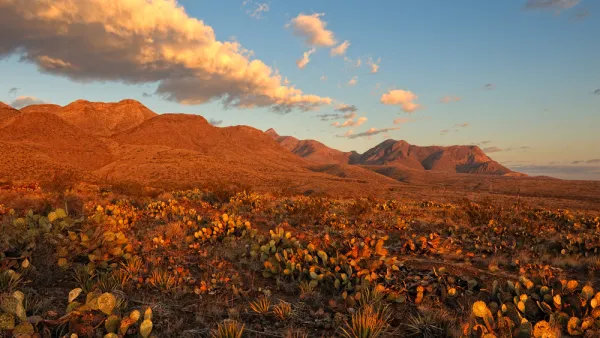
Biden Designates a New National Monument in West Texas
The Castner Range National Monument in West Texas is the second of two new national monuments announced by President Joe Biden this week.
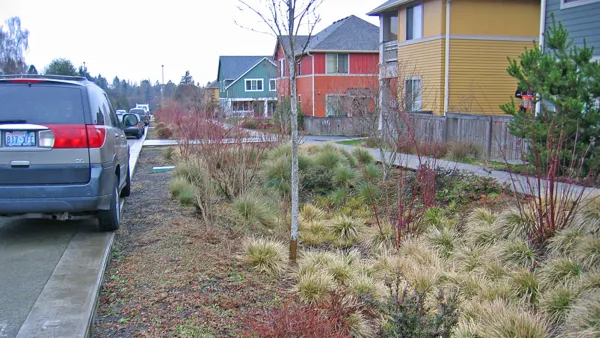
Green Infrastructure Toolkit Launches on World Water Day
The Green Infrastructure Toolkit lists 25 actions local governments can take to transform crusty, impermeable urban landscapes into vibrant, spongy ecosystems that preserve water as a resource and protect against its potential destruction in floods.
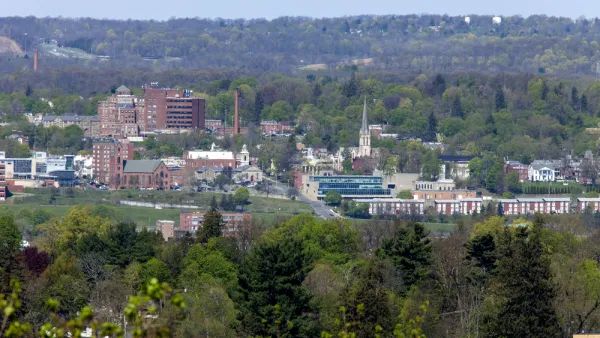
Hudson Valley City Bans Fossil Fuels in New Construction
Beacon will require all-electric appliances in new buildings starting next year.
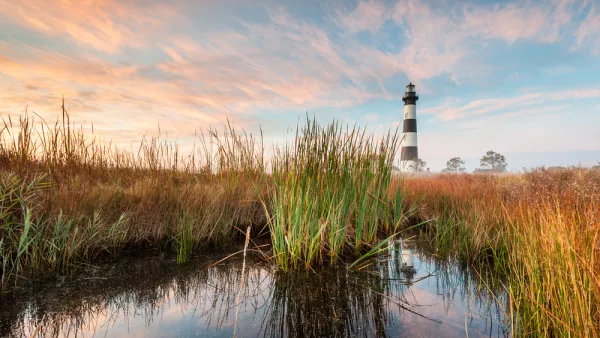
Working With Nature, Not Against It
The concept of ‘natural capital’ calls on policymakers to consider the value of natural infrastructure, which can often improve climate resilience without expensive construction projects.
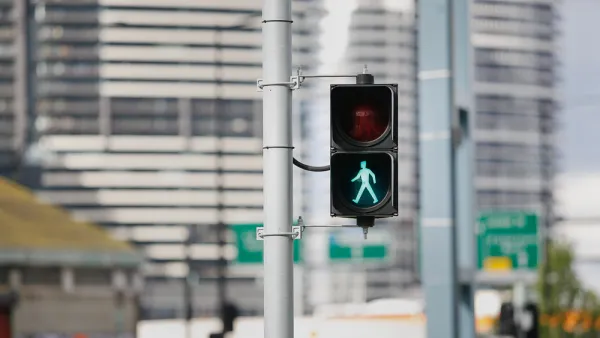
Historically Redlined Neighborhoods Have Higher Rates of Pedestrian Deaths, Study Says
The consequences of historic redlining continue to have consequences in the present day United States. Add another example to the list.
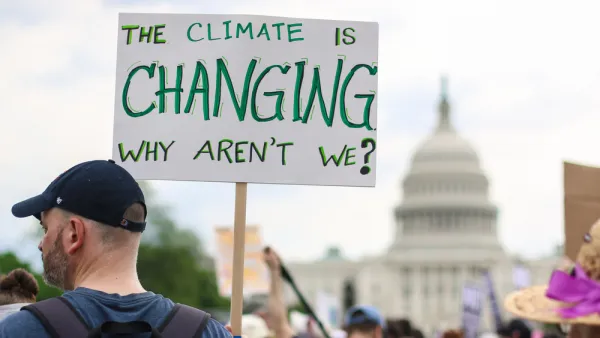
IPCC Report: The World Is Running Out of Time on Climate Change
The planet is not doing enough to reduce greenhouse gas emissions, according to a recent report published by the United Nations’ International Panel on Climate Change (IPCC).

FREE Course: Walkable City 1: Why Walkability?
After describing his path towards focusing on walkability as the essence of good planning, Jeff Speck marches through his five principal reasons for making more walkable places.
Reinventing Malls: Planning Alchemy—Turning Gray Fields Into Gold
The course focuses on the opportunities and imperatives that shape reinvention of mall sites.

Harvard University Graduate School of Design
KFH Group Inc.
Greater Baltimore Committee
The Architects Foundation
University of Cincinnati Online
The Pocatello Development Authority
The Urban Renewal Agency of the City of Pocatello