Urban Development
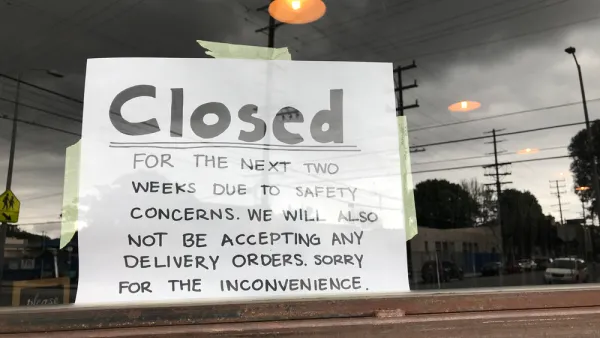
More Details for Planners on the Federal Stimulus Package
As the U.S. House of representatives approved the passive stimulus package approved by the U.S. Senate earlier in the week, more details emerged about the parts of the bill that will be relevant to planners during the coming weeks and months.
Predicting Hospital Capacity as the Coronavirus Spreads
An analysis of data about hospital capacity and possible infection trends shows that hospital facilities will be stretched thin even in the best-case scenario.

Planners and Pandemics: Identifying Problems and Providing Solutions
Planners are professional problem solvers. Let’s see how our methods can be applied to the COVID-19 pandemic.
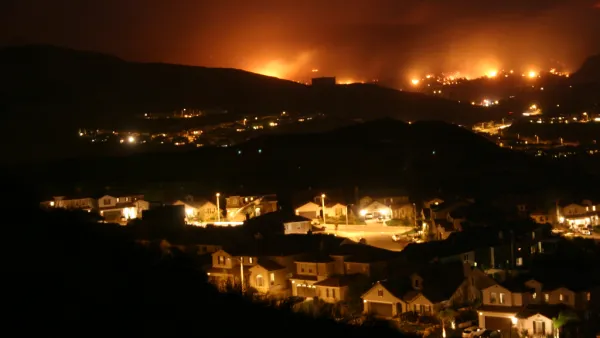
The Dual Threat of Wildfires and Coronavirus in California
As drought conditions continue, the state is preparing for the possibility that the two dangerous public health and safety threats will overlap.

Connecticut Town Rejects Drive-Through COVID-19 Testing Facility
The annals of local control, or, as some would say, NIMBYism, have a new chapter.
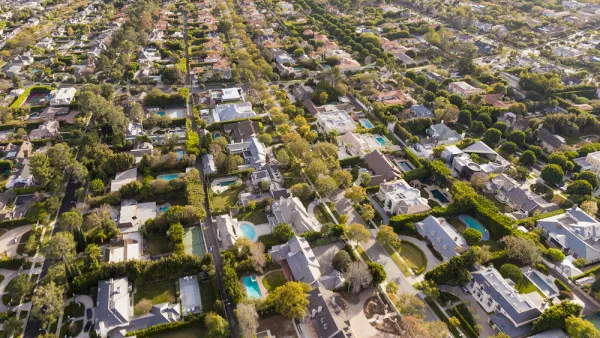
L.A.'s Crackdown on McMansions Hasn't Stopped Them from Going Up
Legislation to stop construction of McMansions is being undermined by a zoning loophole.
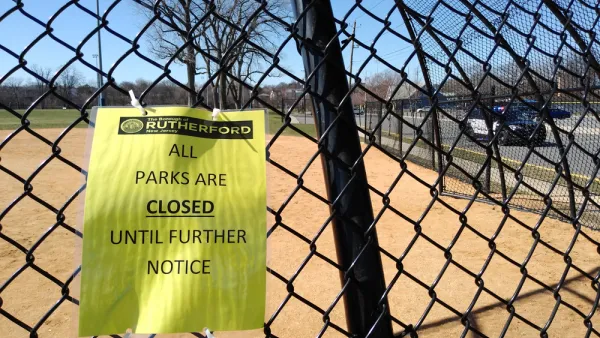
Frontlines of the Social Distancing Effort Shifts to Parks and Open Space
Too many people have been seeking normalcy on parks and on trails. This isn’t a normal time.

Shelter in Place: Working in a Time of Isolation
Need some work-at-home tips from a veteran? Hazel Borys has eight to consider.
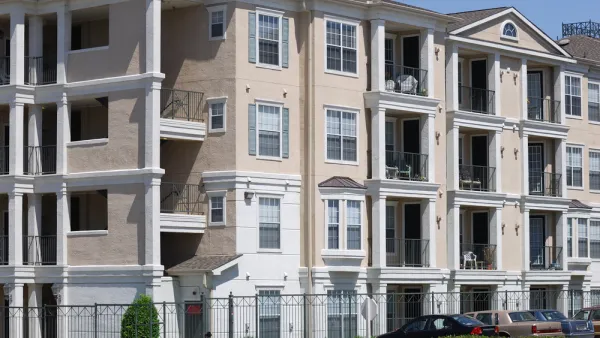
Building Better Multi-Family Housing for Less
New research examines ways multifamily housing costs can be reduced through design and construction decisions.

How Downtown L.A.'s First 'Re:Code' Community Plan Embraces Density and Affordability
Vince Bertoni addresses his city’s efforts to incentivize affordable housing and noted the responsibility shared at the state, regional, and local level for policy & regulatory change to incent provision of affordable housing.
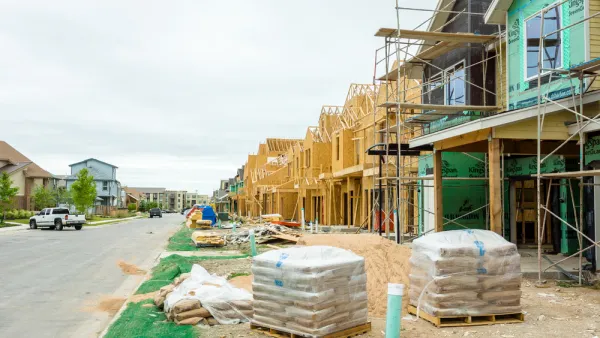
Analyzing the U.S. Housing Market in the Early Days of COVID-19
The lessons of the 2008 housing market crash don't necessarily apply to the current situation.
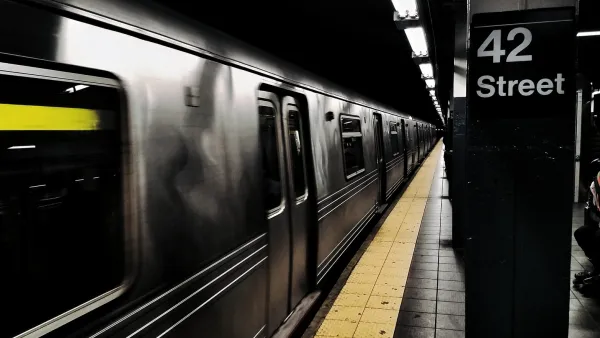
New York MTA Seeks Federal Funding Relief as Ridership Plummets
The Metropolitan Transportation Authority has seen significant ridership drops due to the coronavirus. The agency is asking Congress for $4 billion to help it through the crisis.
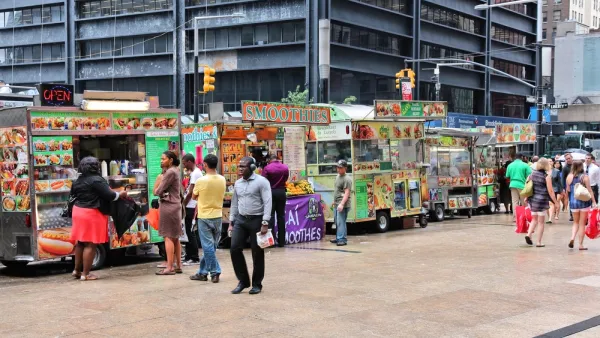
The Historical Effect of Pandemics on the Economy and the Housing Market
Research into previous pandemics, like SARS in 2003, the Spanish Flu in 1918, and the early months of COVID-19 in China, offers insight into what to expect for the economy and the housing market during and after the current pandemic.
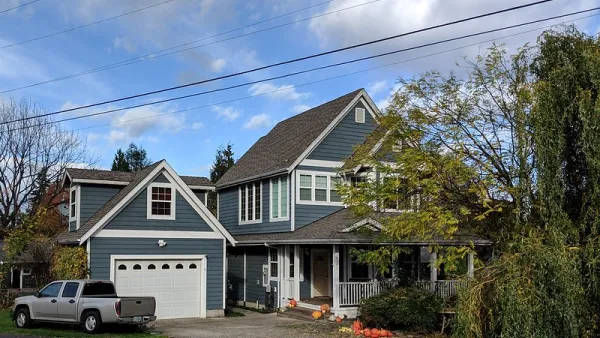
6 Zoning Keys for Effective Missing Middle Housing
The inventor of the term missing middle housing has advice on writing zoning codes that effectively deliver on the potential of the tool.
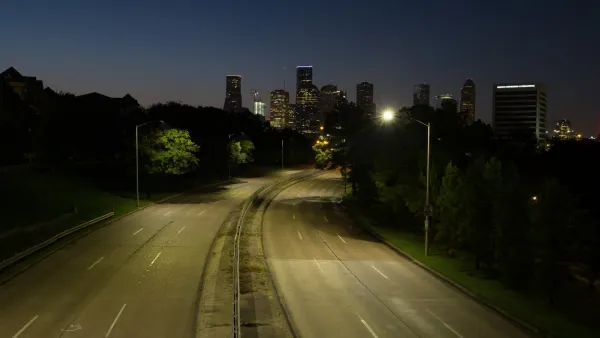
The Regional Economic Impacts of the Coronavirus
The effects of a nationwide economic recession will likely hit hardest those regions with vulnerable sectors.

Debating the Future of Cities, and Urban Density, After the Pandemic
Numerous writers and experts are already examining the question about what happens to ideas about urbanism in a future forever altered by recent events.
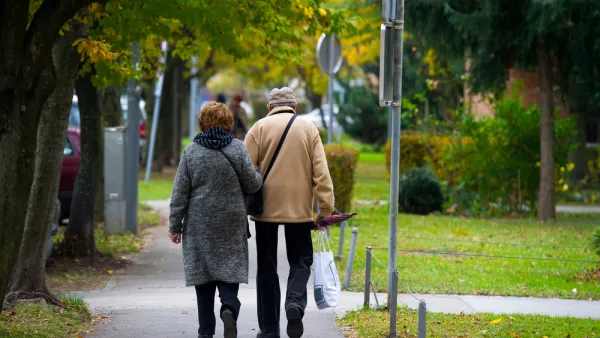
Changing Perceptions of Aging in Planning
In planning, stereotypes of older adults still dominate, and it’s time for that message to change.
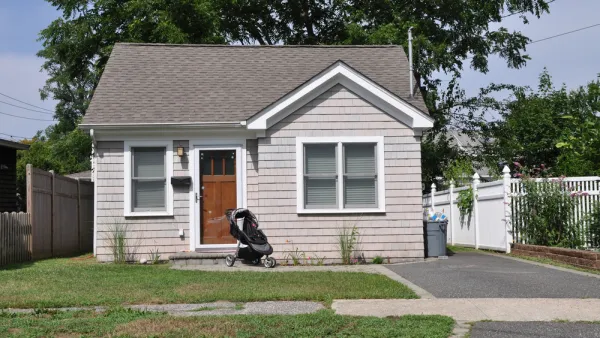
More Questions Than Answers in Real Estate
The effects of the coronavirus pandemic on the U.S. real estate market are only beginning to show, but renters, homeowners, landlords, lenders, and more need to prepare for the worst.
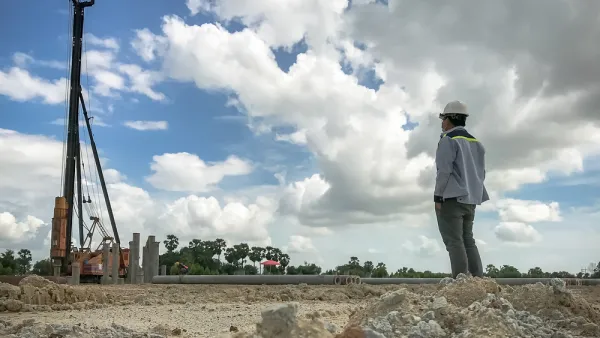
The Architecture Billings Index Was Strong on the Eve of the Pandemic
The Architecture Billings Index in February 2020 could lend hope in the current economic climate, or it could set a benchmark for a future recovery.
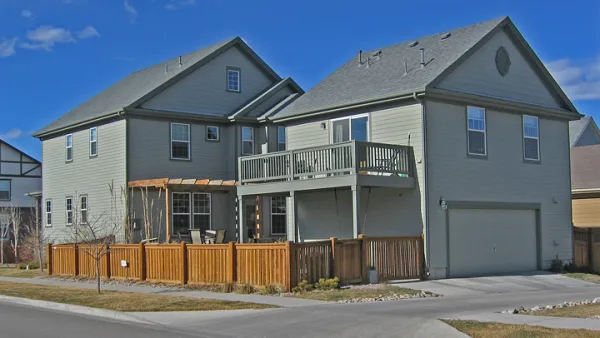
Mayor Lightfoot Expected to Push for Legal Coach Houses in Chicago
Mayor Lori Lightfoot is expected to introduce legislation that would relax zoning restrictions on coach houses, known widely as accessory dwelling units, in the city of Chicago.

FREE Course: Walkable City 1: Why Walkability?
After describing his path towards focusing on walkability as the essence of good planning, Jeff Speck marches through his five principal reasons for making more walkable places.
Reinventing Malls: Planning Alchemy—Turning Gray Fields Into Gold
The course focuses on the opportunities and imperatives that shape reinvention of mall sites.

City of Rosemead
Rutgers University, Edward J. Bloustein School of Planning and Public Policy
One Hundred Miles
University of Michigan School for Environment and Sustainability (SEAS)
Hunter College, City University of New York (CUNY)
The Architects Foundation
City of Cambridge
Montrose County
The Pocatello Development Authority









