Transportation
BART Workers Strike Over "Work Rules"
For the second time in four months, during which time negotiations had continued, BART workers went on strike Friday morning, creating huge challenges for the 400,000 commuters who rely on it daily in four Bay Area counties.
With Lower Fines, Davis Hopes More Citations Will Promote More Cycling
The City of Davis has introduced a new tiered bicycle fine system to encourage officers to issue more tickets to those that break the rules. They hope more tickets will result in more safety and more cycling.
Bicycling Ban Sparks Outrage in Kolkata
In order to "ease traffic flow" the police commissioner in Kolkata, India (formerly Calcutta) has expanded a ban on bikes to 174 roads across the sprawling city of 14 million. Environmentalists and social activists are protesting the measures.
Chicago Speed Cameras: Mayoral Money Grab or Sign of a Speeding Epidemic?
Over the first 40 days they've been in operation, Chicago's nine new speed enforcement cameras have issued warnings to 200,000 drivers. Politicians and reporters are skeptical about the city's motivation for installing the cameras.
Is Biking With Your Child an Unnecessary Risk?
Tanya Snyder, Streetsblog's Capitol Hill editor and mother of 21-month-old daughter Luna, writes about a conversation she had with Dr. Phyllis Agran, consultant to American Academy of Pediatrics, about the risks she has exposed Luna to when biking.
New California Law Aims to Prevent Bridge Suicides
A new law hopes to expunge the "impulse and accessibility" aspect of suicides from new or rebuilt bridges by requiring that they "consider" suicide barriers. The price for barriers can be greatly reduced when evaluated in the planning phase.
Can Maryland Pull Off Its Risky Purple Line Partnership?
To finance and construct a new $2.2 billion light rail line in the D.C. suburbs, Maryland will seek to enter into a unique private sector partnership. The ambitious strategy is drawing concern from lawmakers.
Parking Meters Provide a Pipeline of Cash in America's Oil Capital
The energy capital of America sees money in them thar autos - in parking them, that is. Tapping motorists for parking bears some similarity to tapping shale basins for oil - without the fracking. Sightline's Alan Durning writes about the resemblance.
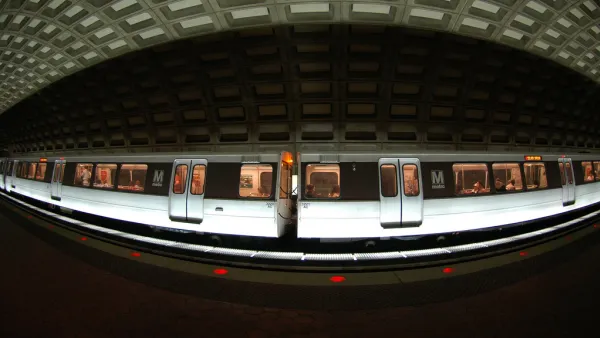
Too Much TOD Set to Strain D.C.'s Subway
New development is poised to add thousands of riders to D.C.'s Metro, but rush hour trains are often packed already. Though Metro has proposed $6 billion in fixes, some see better land use planning across the area as the key to solving the problem.
The Dangers of Distracted Subway Riding
Former Treasury Secretary LaHood made distracted driving a pet cause. The dangers of walking and texting are well documented. But would could straphangers have to fear from smartphones? Plenty, as the death of a S.F. Muni rider illustrates.
Top 100 City Innovators Worldwide
To celebrate its first anniversary, Future Cities has assembled a list of the top 100 city innovators making the biggest difference across a range of industries and specialties.
Despite Sandy Disruption, Amtrak Has Another Historic Year
For the tenth time in eleven years, Amtrak hit another historic high in ridership in FY 2013. While overall ridership was up one percent, revenues were up more than 4 percent.
Answers on the Nation's First VMT Fee Law
With Oregon set to implement their vehicle-miles-traveled (VMT) fee program, Streetsblog's Tanya Snyder provides answers to ten questions, including the privacy challenge, that she posed to ODOT’s Jim Whitty, architect of the program.
What if the Smart Cities of the Future Are Full of Bugs?
In an excerpt on Places from his new book, Smart Cities, urban forecaster Anthony Townsend considers the inevitable glitches.
NYC's Open Data Rollout Collides With Reluctant Departments
The NYPD's failure to produce usable traffic crash data, or agree to change their data gathering and reporting procedures, is just one example of the obstacles confronting implementation of the city's landmark open data law.
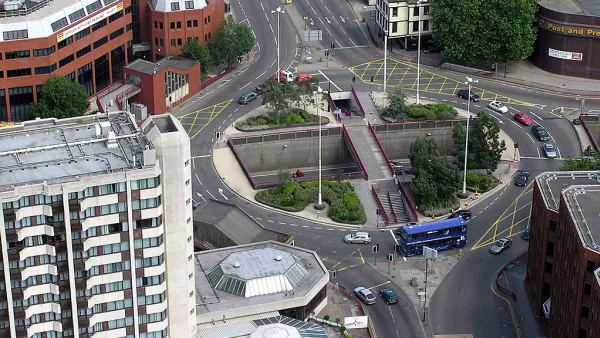
Roundabouts Win Again, This Time on "MythBusters"
“MythBusters” has put another urban debate to bed. According to a recent episode of the Discovery Channel show, roundabouts really are more efficient than four-way stops.
"Car-Free" Families on the Rise
Micheline Maynard writes about an AASHTO study showing that the share of American families who don't own cars had been declining since 1960 but stopped in 2007 at 8.7%. By 2011, it had budged up to 9.3%. She suggests four reasons for the reversal.
Brooklyn Brands Borough's First Bike-Friendly Business District
One of Brooklyn's busiest streets has been branded a "Bike-Friendly Business District", with cyclists offered discounts at participating stores. But without plans for a dedicated bike lane, cycling advocates are skeptical of the pronouncements.
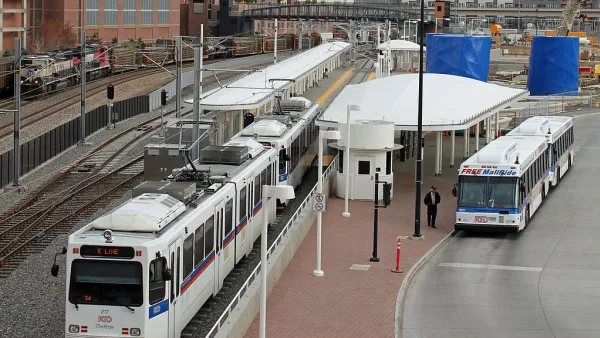
Denver Faces Light Rail vs. Bus Decision
The financial data is clear: BRT costs much less to go further and serve far more riders. Case closed, or is it? The Denver Post editors look at HNTB's cost and ridership estimates for the Northwest Rail Line and offer a recommendation, sort of.
Mayoral Candidate Plays Politics With Cincinnati Streetcar
One of the leading candidates to replace Cincinnati's progressive mayor Mark Mallory is threatening to cancel the city's 3.6-mile streetcar line if elected. With contracts signed and work under way, canceling it could cost more than completing it.

FREE Course: Walkable City 1: Why Walkability?
After describing his path towards focusing on walkability as the essence of good planning, Jeff Speck marches through his five principal reasons for making more walkable places.
Reinventing Malls: Planning Alchemy—Turning Gray Fields Into Gold
The course focuses on the opportunities and imperatives that shape reinvention of mall sites.

KFH Group Inc.
Greater Baltimore Committee
Eagle County Government
The Architects Foundation
University of Cincinnati Online
The Pocatello Development Authority
The Urban Renewal Agency of the City of Pocatello