Rising housing costs in urban cores and a demand for rental housing is driving more multifamily development to exurbs and small metros.


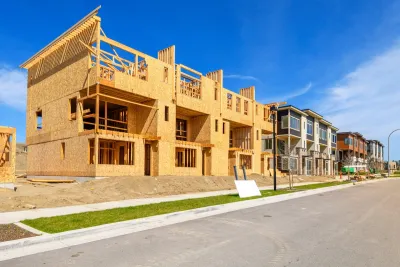
Multifamily housing development is shifting to less dense areas, according to new data from the National Association of Home Builders.
As Leslie Shaver explains the Home Building Geography Index in Smart Cities Dive. “The market share of apartment starts in large metro core counties continued a long-term downward trend. In 2016, it was 45.1%. Since then, it has fallen 9.4 percentage points to a 35.5% share, the lowest level since the HBGI’s inception.” The growth is largely in exurbs and small metro cores, as well as rural areas.
The shift could be due in part to rising housing costs and the migration of more people to lower-cost, less-dense areas. “Land costs are one key element driving up costs, so it makes sense that developers would start moving to less dense areas where dirt is typically cheaper.” The percentage of renters over 30 is also at an all-time high of 72 percent, meaning more adults with partners and families are seeking rental housing.
Read the full story: Multifamily construction migrates to less populous areas, housing association says

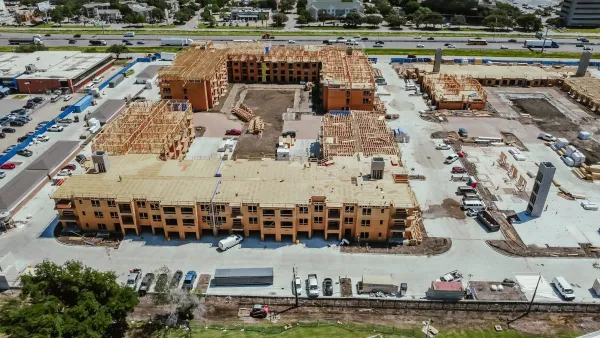
Controversial Texas housing law has 'directly facilitated' over 1,250 new homes
SB 840 allows developers to build multifamily housing by-right on lots zoned for commercial use without applying to a zoning change.
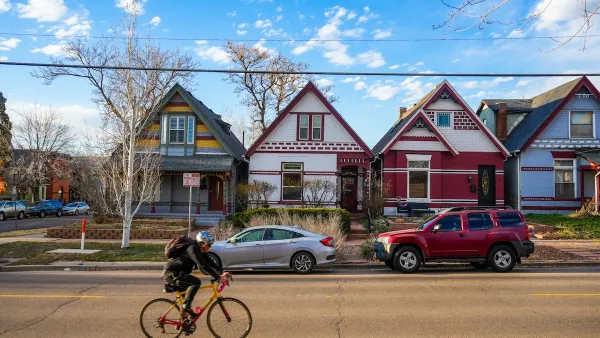
Amidst Colorado Affordability Crisis, Just 3% of Residential Land Zoned for Multifamily Housing
A new report suggests loosening restrictive zoning laws on multifamily development could help bring down high housing costs.

Opinion: California’s SB 79 Would Improve Housing Affordability and Transit Access
A proposed bill would legalize transit-oriented development statewide.

Planetizen Federal Action Tracker
A weekly monitor of how Trump’s orders and actions are impacting planners and planning in America.

California plans to bury El Niño’s downpour
If the state plays its cards right, it may be able to store a billion acre-feet of El Niño’s water in aquifers.

Chicago breaks ground on $3 billion megadevelopment
The new neighborhood, titled Foundry Park, will one day host 3,700 residences.

California High-Speed Rail Authority CEO resigns after $600,000 scandal
Under Ian Choudri, the authority used taxpayer dollars to fund first class flights and trips to nightclubs.

Want to study the Missouri River? Soon, you may need unanimous approval from 10 states
Legislation would require 10 governors’ permission to study or build projects moving water outside the basin.

Desperate measures: Advocates weigh draining Lake Powell to fill Colorado River
Draining the reservoir could reduce evaporation losses by a couple hundred thousand acre-feet.

FREE Course: Walkable City 1: Why Walkability?
After describing his path towards focusing on walkability as the essence of good planning, Jeff Speck marches through his five principal reasons for making more walkable places.
Reinventing Malls: Planning Alchemy—Turning Gray Fields Into Gold
The course focuses on the opportunities and imperatives that shape reinvention of mall sites.

City of Rosemead
Rutgers University, Edward J. Bloustein School of Planning and Public Policy
One Hundred Miles
Hunter College, City University of New York (CUNY)
The Architects Foundation
University of Cincinnati Online
City of Cambridge
Montrose County
The Pocatello Development Authority