Technology
A Super Energy-Efficient Home for the Alaskan Frontier
An engineer from Fairbanks, Alaska, has built a house that is "kept toasty without fossil fuels and uses a mere fraction of the energy typically needed, even at 30 below."
Interactive Map Allows Comparisons of the Nation's Traffic Camera Systems
Some cities take their surveillance of traffic violations very seriously. Washington, D.C., this time we're looking at you.
Teaching Students the Power of GIS
Ninth graders in Soldotna, Alaska, were introduced to geographic information systems (GIS) by a team of volunteers who spent two days illustrating how GIS technology is used in analyzing complex systems.
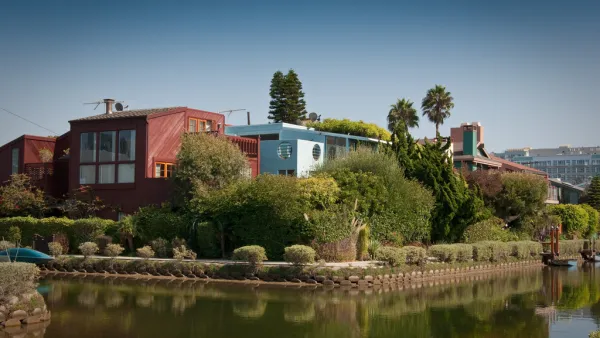
Can Los Angeles Regulate Airbnb?
Several Los Angeles neighborhoods, Venice in particular, have become hotbeds of short-term rental activity. Upset by a stream of raucous visitors, residents wonder whether the city can—or will—enforce regulations on platforms like Airbnb.
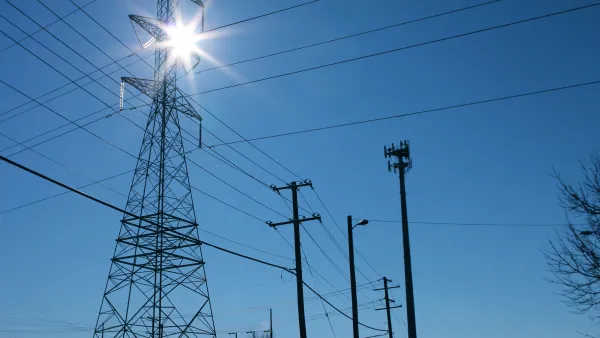
New York's Visionary Model of Utilities Reform
Utilities profit from building more power plants—a flawed model for a diminishing natural monopoly.
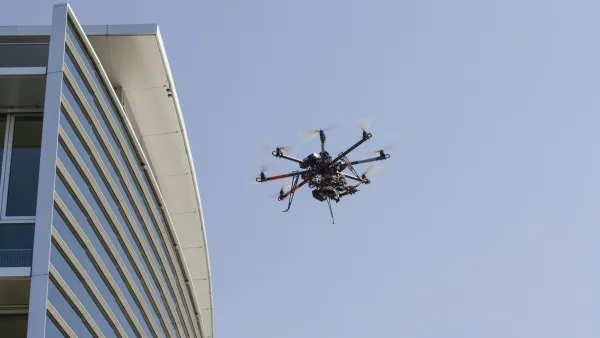
Drones and Robots Filling in for Japan's Shortage of Construction Workers
With fewer human workers available to meet demand, Japanese construction company Komatsu is turning to automated equipment and drones.
Waze Index Ranks Driver Satisfaction
One of the world's most popular navigation apps, Waze, has aggregated the data generated by 50 million users to develop a "Driver's Satisfaction Index." Perhaps surprisingly, auto-oriented Phoenix, Arizona leads all cities on the index.
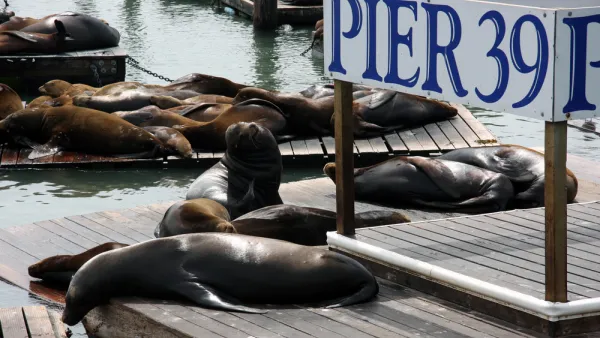
Tips for Planners to Design Memorable Tourism Experiences
Tourists' expectations when they travel are becoming increasingly sophisticated, seeking stimulating and meaningful experiences. The new book Gamification in Tourism shares how cities are designing memorable experiences.
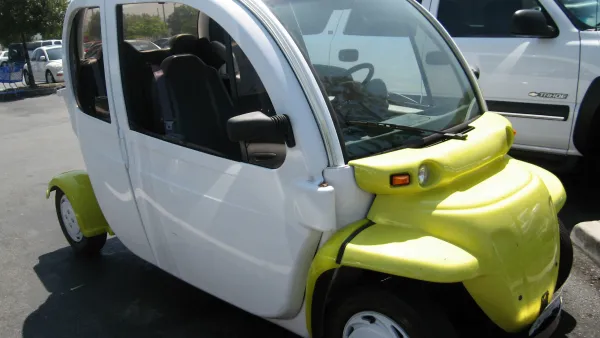
Mainstreaming the Golf Cart
Seniors are on the cutting edge of a movement to make Neighborhood Electric Vehicles (NEVs), otherwise known as golf carts, a viable form of everyday transportation.

Mercedes-Benz Bets on a Suburban Future
From a new Silicon Valley facility, Mercedes' R&D department is developing car-share services based on a vision of 21st-century suburbs. The company is also testing self-driving prototypes and electric models.
D.C. Turns Poop to Power
No, the title does not refer to Congress, it is meant to be taken literally: It is about the District of Columbia's sewage treatment plant that produces renewable energy by treating its biosolids with a new hydrolysis technology imported from Norway.
From Taxi Industry Disrupter to Auto Industry Disrupter
Car ownership is far from "a thing of the past," as Uber's CEO plans on making it, but a new survey shows that a substantial number of people who have tried transportation network companies are forgoing the purchase of a car.
Self-Driving Buses Coming in 2016 to an Office Park in San Ramon, California
The self-driving future is coming sooner than you might have expected—to a suburban office park in California's Bay Area.
Will the Tesla Model X Become the First Mainstream Electric Car?
What will it take for the electric car to become practical and economically feasible for the masses?
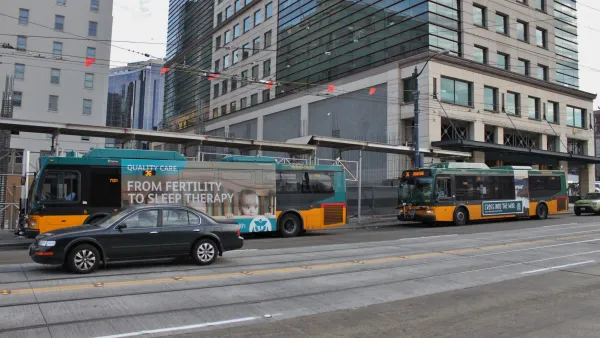
New Tracking System Tackles Bus Bunching
Washington, D.C.'s DOT has adopted TransitIQ, a straightforward tracking technology, to help dispatchers keep buses on schedule.
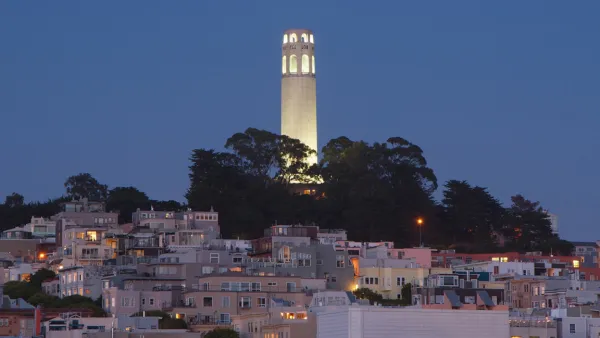
Beyond the Big One: Real Recovery in San Francisco
What does it mean to be a Chief Resilience Officer for one America's largest cities? Doggerel spoke to Patrick Otellini, Chief Resilient Officer for San Francisco, to find out what it takes to make a truly resilient city.

How the Internet of Things Can Help Solve Water Woes
New tools and technologies of the so-called Internet of Things are helping cities get a better handle on water scarcity and overabundance.
How to Build a Real-Time LED Display of Your City's Transit System
One MIT student's love of transit means no one in his house will ever miss the T.
Eliminating the Dangerous 'Waze Left'
Vocal users of the wildly popular navigation app Waze have pushed the company's developers to look for a solution to its routing algorithm's tendency to send drivers turning left through crowded intersections.
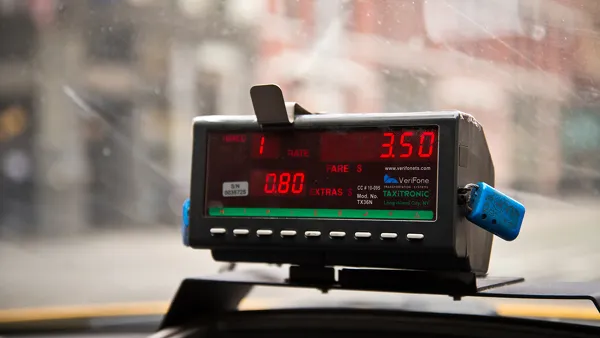
A Counterpoint in the Great Uber Dialogue
An op-ed counters concerns about the social equity consequences of Uber by allowing the possibility of public benefits arising from transportation network companies.

FREE Course: Walkable City 1: Why Walkability?
After describing his path towards focusing on walkability as the essence of good planning, Jeff Speck marches through his five principal reasons for making more walkable places.
Reinventing Malls: Planning Alchemy—Turning Gray Fields Into Gold
The course focuses on the opportunities and imperatives that shape reinvention of mall sites.

City of Rosemead
Rutgers University, Edward J. Bloustein School of Planning and Public Policy
One Hundred Miles
University of Michigan School for Environment and Sustainability (SEAS)
Hunter College, City University of New York (CUNY)
The Architects Foundation
City of Cambridge
Montrose County
The Pocatello Development Authority









