Urban Design
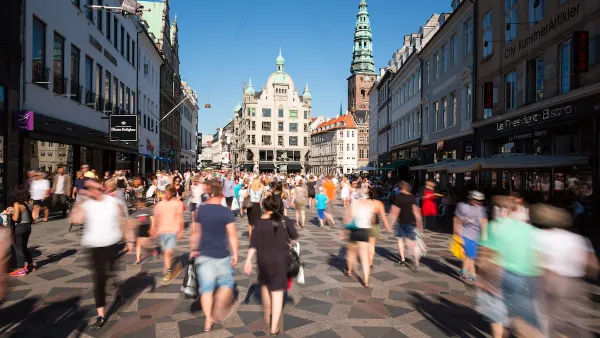
How the ‘Social Field of View’ Impacts Street Life
The vibrancy of a neighborhood may be defined by what people can see in their immediate vicinity.
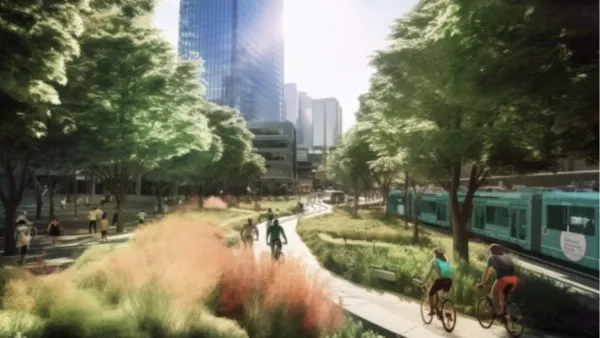
AI and Downtown Recovery: Missing the Mark in Seattle?
In his fourth GeekWire article on downtown recovery, Chuck Wolfe reviews the use of AI imagery in a section of the Seattle Downtown Activation Plan and suggests how it may have missed the mark.
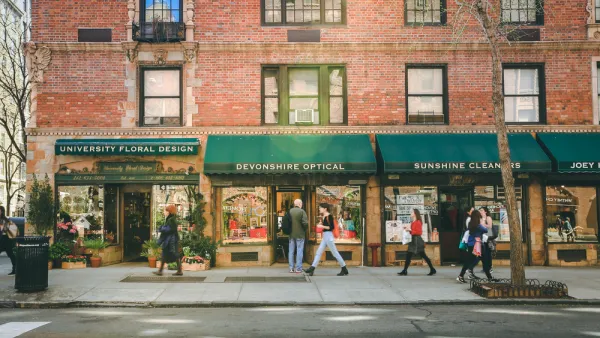
Livable Streets, Revisited
The updated version of Donald Appleyard’s 1982 book Livable Streets, written by Appleyard's son, dives even deeper into the ‘ecology of the street,’ proposing actionable solutions for the conflicts and problems facing urban environments today.
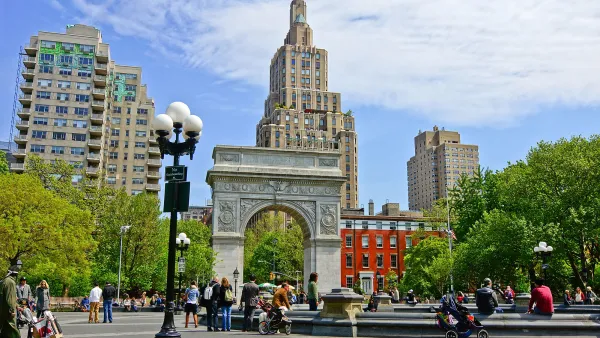
Reshaping Cities for Present-Day Populations
The demographic changes of the last few years give city planners and urban designers an opportunity to reimagine how public spaces can most effectively promote public health, wellbeing, and equity.
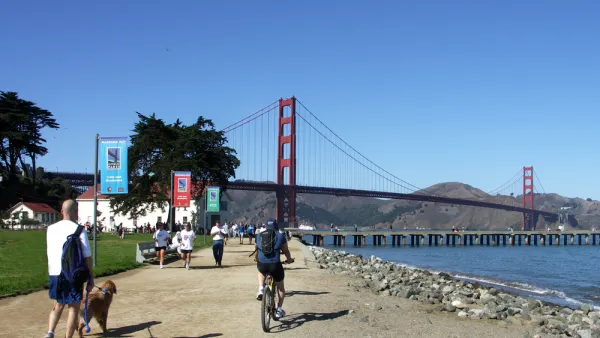
City Dwellers Happiest in Parks, Angry at Transit Stops
An analysis of geotagged tweets reveals that city dwellers express positive emotions in green spaces and restaurants, while bus stops and transit elicited more frustrated reactions.
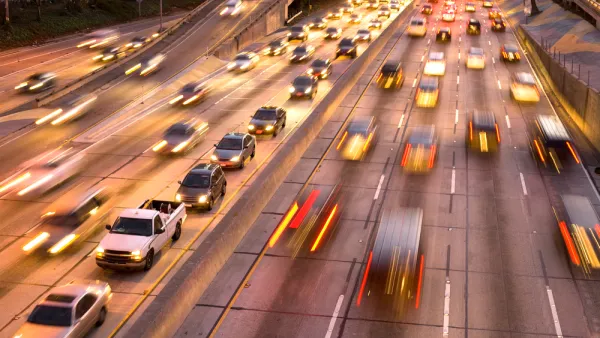
Lonely by Design: How Urban Planning Can Intensify Social Isolation
Walkable neighborhoods, access to parks, and opportunities for social interaction can help reduce the burden of loneliness and promote community. But many of our cities aren’t built this way.
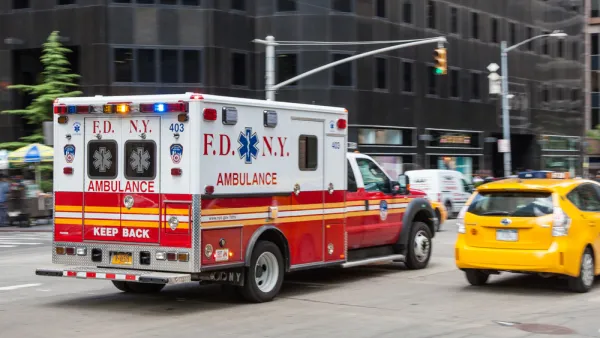
Ambulances vs. Pedestrians
Are the needs of emergency response vehicles inconsistent with nondrivers’ needs for slower, safer streets? Maybe not.

How to Include Community Ideas in Urban Development
Urban planners are obligated to sensible and efficient development, but can also take community ideas into account. By prioritizing concerns and thoughts and keeping the future in mind, planners can develop optimal urban communities.

‘Roku City’ Would Be a Desirable Place to Live—if it was Real
A streaming box screen saver exhibits better urbanism than many real-life cities.
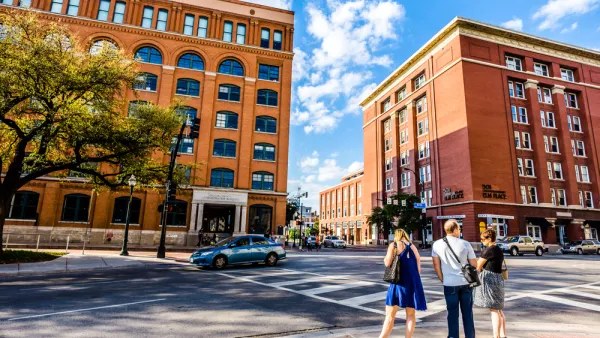
A New Vision for Dallas’ Dealey Plaza
After decades of neglect, a team of designers reimagines the infamous plaza as a safe, vibrant, multimodal public space.
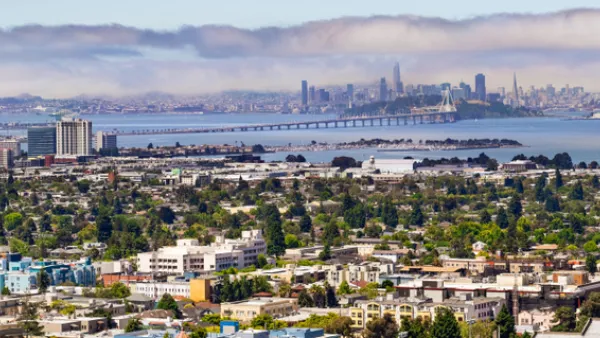
When Nostalgia Impedes Progress
Urban design critic John King urges fellow Berkeley residents to embrace change and growth.
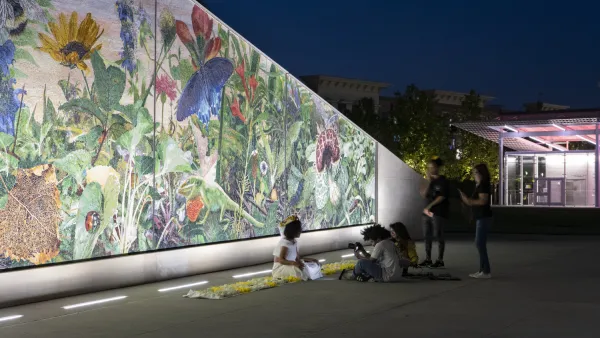
Placemaking: Building on the ‘Soul’ of a Place
Placemaking is often mistaken for a form of manufacturing. Every place already has a story to tell—placemaking just brings that story forward.
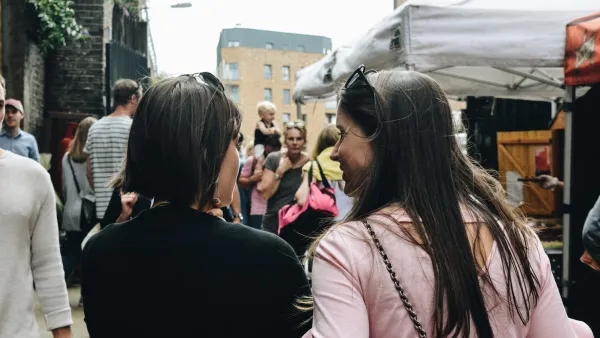
Urban Design Through a Gender Lens
Building cities to be safe and accessible for women and LGBTQIA+ people has benefits for all users of public space.
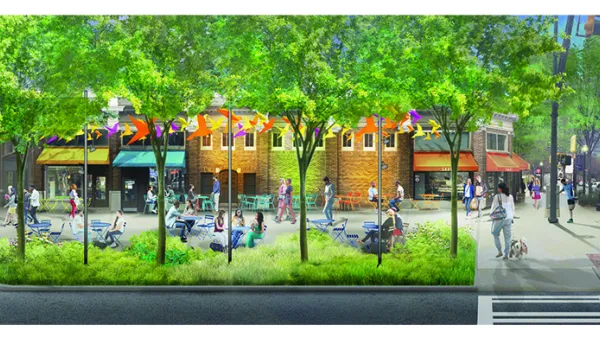
Midtown Atlanta Plaza Replaces Parking With Public Seating, Art
The formerly car-centric block was redesigned to include wider sidewalks, public seating, and enhanced landscaping in lieu of on-street parking.

The Century-Old Call for Open Streets
Historical reports from the Regional Plan Association show that car-free streets is an idea almost as old as automobiles themselves.

El Salvador President Envisions Retro-Futurist ‘Bitcoin City’
In the same week that the cryptocurrency’s value took a nosedive, the president of El Salvador unveiled a model for a volcano-powered ‘smart city.’
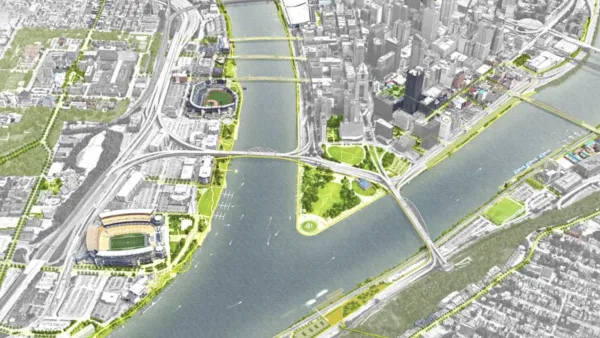
“Completing the Loop” Plan Wins National Award for Excellence in Sustainability
Riverlife and evolveEA were honored by the American Planning Association (APA) for the plan, which outlines a 10-year vision to connect, enhance, and expand Pittsburgh’s network of riverfront parks, trails, and public green spaces.
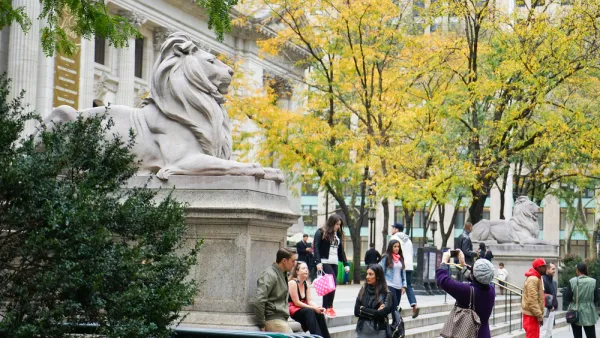
How Urban Design Can Promote Social Equity
More inclusive urban design can help more people access social services and public amenities.
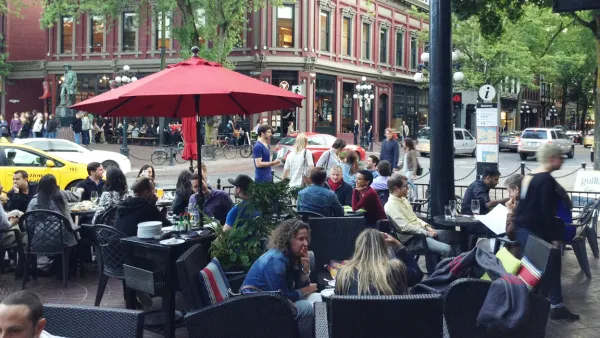
Where Urban Design And Public Health Intersect
As the pandemic emphasized, the way we design our cities can have lasting impacts on residents' health and wellness.
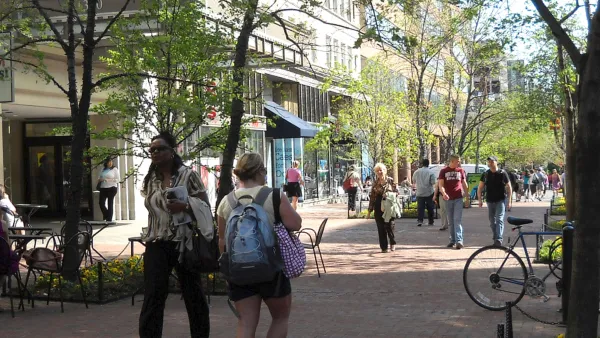
The Relationship Between Walkability and Public Health
New research indicates that improving public health requires targeted investments in more than just pedestrian facilities.

FREE Course: Walkable City 1: Why Walkability?
After describing his path towards focusing on walkability as the essence of good planning, Jeff Speck marches through his five principal reasons for making more walkable places.
Reinventing Malls: Planning Alchemy—Turning Gray Fields Into Gold
The course focuses on the opportunities and imperatives that shape reinvention of mall sites.

City of Rosemead
Rutgers University, Edward J. Bloustein School of Planning and Public Policy
One Hundred Miles
Hunter College, City University of New York (CUNY)
The Architects Foundation
University of Cincinnati Online
City of Cambridge
Montrose County
The Pocatello Development Authority









