Thanks to one simple policy change less than five years ago, 65% of new cars in this Himalayan country are now electric.


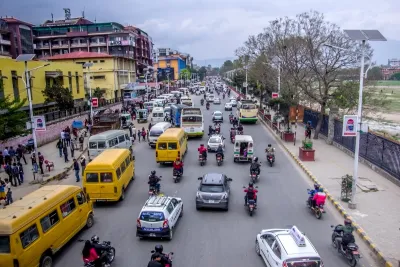
Drivers in Nepal are adopting electric vehicles at breakneck speed, with 65 percent of new cars sold in that country last year being electric.
As Adele Peters explains in Fast Company, the rapid growth is thanks to radically reduced import duties and excise taxes on EVs, which dropped the purchase cost for consumers. “After someone owns an EV, it’s also cheaper to operate than a gas or diesel vehicle. That’s true anywhere, but especially in Nepal, where fuel is imported and expensive.”
Electric three-wheeled vehicles known as tempos, which gained early popularity in the 1990s, are making a comeback. Kathmandu, the capital, is also investing in a fleet of electric buses, which cost around 33 times less to charge than the cost of fuel for a gas-powered bus.
The shift helps the nation achieve its Paris Agreement goal of reaching 90 percent adoption of EVs for private four-wheeled vehicles by 2030, which will help curb air pollution in Kathmandu, where the city’s mountainous geography traps pollutants.
FULL STORY: How Nepal became one of the world’s fastest growing EV markets

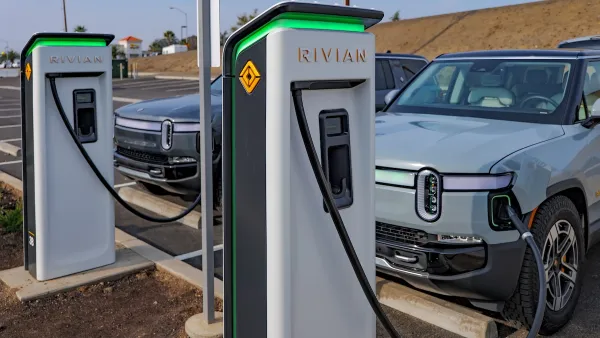
US Senate Reverses California EV Mandate
The state planned to phase out the sale of gas-powered cars by 2035, a goal some carmakers deemed impossible to meet.
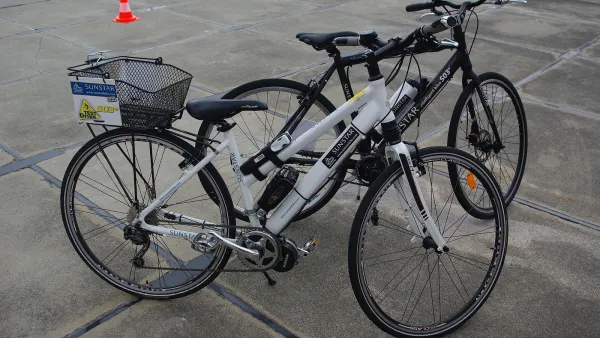
Why Are U.S. Policymakers Ignoring Electric Bikes?
The singular focus on EVs is making U.S. cities miss out on the opportunity to promote e-bikes as a more efficient and sustainable transportation mode.
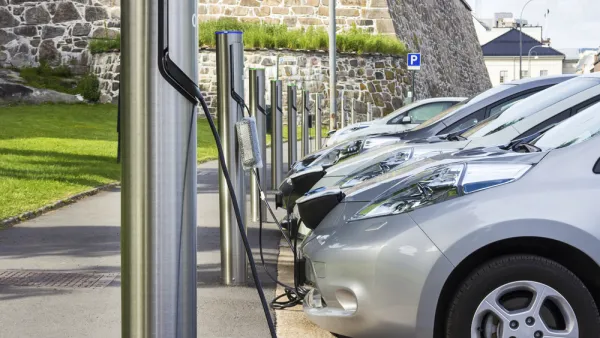
Study: EV Adoption Isn't Enough. Car-Centric Culture Needs To Change.
The focus on electrifying personal vehicles misses the opportunity to transform urban transportation systems, reduce congestion, and make cities more affordable.

The state-sanctioned urbicide of Austin
People don’t kill cities. Freeways do.

US to reduce Colorado River water deliveries to Mexico
A new Colorado Treaty amendment reduces Mexico’s Colorado River water allocation by 250,000 acre feet.

New Jersey’s second-largest city bans standalone data centers
Jersey City will continue to allow co-location facilities, such as those meant for research institutions that store their own data.

Amtrak not solely to blame for New Jersey commuter rail's unreliability, report finds
A new study from the Garden State Initiative found that NJ Transit’s budget grew 20% across a 4 year period, but reliability declined significantly over the same period.

EPA erases limits on planet-warming pollution from power plants
Under Monday’s plan, power plants would still have some limits on how much mercury, arsenic and other contaminants they can emit.

Phoenix announces new on-demand transit service, more frequent RAPID buses
Both new services will launch in October, and are part of Phoenix's Project Effective Access Solutions for Easing Congestion.

FREE Course: Walkable City 1: Why Walkability?
After describing his path towards focusing on walkability as the essence of good planning, Jeff Speck marches through his five principal reasons for making more walkable places.
Reinventing Malls: Planning Alchemy—Turning Gray Fields Into Gold
The course focuses on the opportunities and imperatives that shape reinvention of mall sites.

Eagle County Government
Harvard University Graduate School of Design
Nashville Planning Department
The Architects Foundation
University of Cincinnati Online
The Pocatello Development Authority
The Urban Renewal Agency of the City of Pocatello
Journal of the American Planning Association