Anita Laremont, newly appointed director of the New York Department of City Planning and chair of the City Planning Commission, elaborates on the city's priorities for the public realm and the role for good urban design to enhance quality of life.



Twenty months into the COVID-19 pandemic and with less than three months left in the term of outgoing Mayor Bill De Blasio, New York City is updating its "Urban Design Principles," which guide local decision making on neighborhood zoning and development. The Planning Report spoke to Anita Laremont, newly appointed director of the New York Department of City Planning and chair of the City Planning Commission, on the city’s priorities for the public realm and the role for good urban design moving ahead. Laremont also describes her charge to further address the city's affordability problems across all five boroughs.
“We believe our priorities will continue to be the new mayor's priorities in dealing with the challenging issue of not having enough affordable housing for all of our citizens.”
Laremont specifically also speaks to the inequalities in public space that exists in New York that have been exacerbated by the pandemic.
"COVID-19 also showed us the divide that we have in the city. There are BIPOC communities and communities with lower incomes that have very poor-quality public realms that we need to focus on more closely. People who live in the South Bronx need to have the same kind of opportunities to be outdoors and in quality settings in ways that they didn't before."
Read more about how New York plans to adapt and grow given the pressures of the Covid-19 pandemic, a changing economy, and a housing crisis below.
FULL STORY: NYC Planning’s Anita Laremont on the City's Principles of Good Urban Design

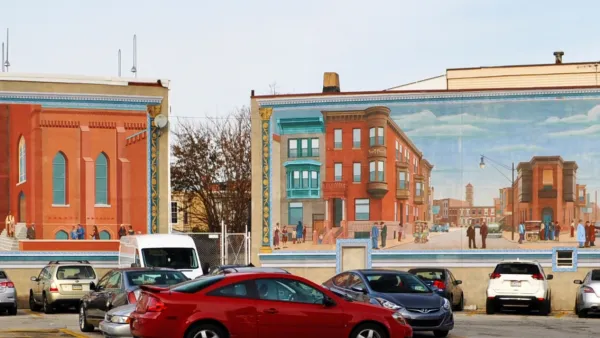
Philadelphia's downtown parking lots are a 'valuable, untapped resource'
Over two dozen city-owned parking lots could be developed into housing or other uses.
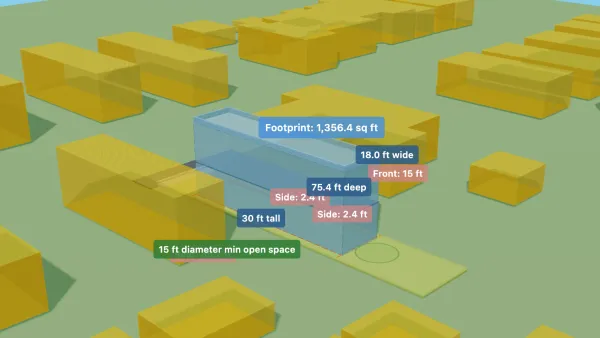
Interactive, 3D Chicago Zoning Map Lets You Visualize Potential Development
A new tool creates a visual model of potential development on Chicago lots based on the property’s specific zoning regulations.
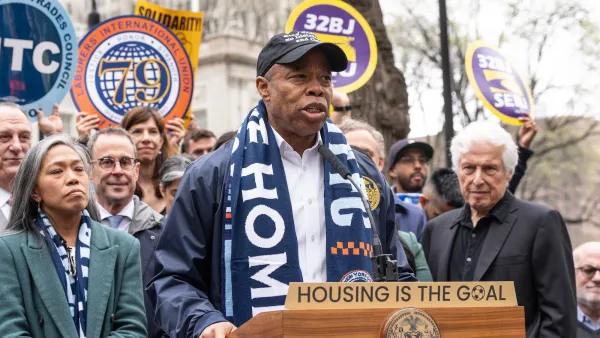
What Actually Got Built Under Eric Adams’ ‘Pro-Housing’ Administration
The outgoing mayor claims credit for hundreds of thousands of new homes. The truth is more complicated.

The state-sanctioned urbicide of Austin
People don’t kill cities. Freeways do.

US to reduce Colorado River water deliveries to Mexico
A new Colorado Treaty amendment reduces Mexico’s Colorado River water allocation by 250,000 acre feet.

New Jersey’s second-largest city bans standalone data centers
Jersey City will continue to allow co-location facilities, such as those meant for research institutions that store their own data.

Amtrak not solely to blame for New Jersey commuter rail's unreliability, report finds
A new study from the Garden State Initiative found that NJ Transit’s budget grew 20% across a 4 year period, but reliability declined significantly over the same period.

EPA erases limits on planet-warming pollution from power plants
Under Monday’s plan, power plants would still have some limits on how much mercury, arsenic and other contaminants they can emit.

Phoenix announces new on-demand transit service, more frequent RAPID buses
Both new services will launch in October, and are part of Phoenix's Project Effective Access Solutions for Easing Congestion.

FREE Course: Walkable City 1: Why Walkability?
After describing his path towards focusing on walkability as the essence of good planning, Jeff Speck marches through his five principal reasons for making more walkable places.
Reinventing Malls: Planning Alchemy—Turning Gray Fields Into Gold
The course focuses on the opportunities and imperatives that shape reinvention of mall sites.

Eagle County Government
Harvard University Graduate School of Design
Nashville Planning Department
The Architects Foundation
University of Cincinnati Online
The Pocatello Development Authority
The Urban Renewal Agency of the City of Pocatello
Journal of the American Planning Association