Citing “a challenging fiscal landscape,” the city will cease the program on the heels of 42 traffic deaths, including 24 pedestrians.


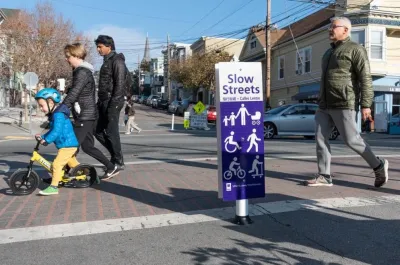
San Francisco is ending its Residential Traffic Calming Program citing cost concerns, reports Matthew Green for KQED.
“Since the launch of the traffic calming program in 2013, residents have been able to ask the city to install new speed-reducing devices, such as concrete islands, speed bumps (and humps), road markings and rubber road cushions, in their neighborhoods.” Now, the San Francisco Municipal Transportation Agency (SFTMA) says high costs and demand are forcing the agency to suspend the program as it faces a $322 million deficit next year.
Since 2018, the city has installed over 500 traffic calming devices thanks to resident requests, and over 1,200 devices total. Yet 2024 was still the city’s deadliest year in at least 20 years for traffic deaths, and traffic citations declined by almost 90 percent between 2014 and 2024 due to police staffing shortages and new regulations.
Marta Lindsey of Walk San Francisco said she hopes the city will return with a more comprehensive approach to Vision Zero. “I hope SFMTA catches up on this backlog, but then comes back with a better program that can be proactive and bring speed humps to entire neighborhoods where they’re needed instead of this ‘speed hump by speed-hump’ approach.”
FULL STORY: SF Ends Program Allowing Residents to Request Street Safety Improvements

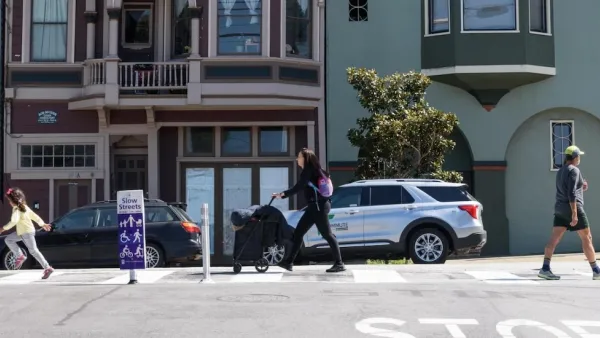
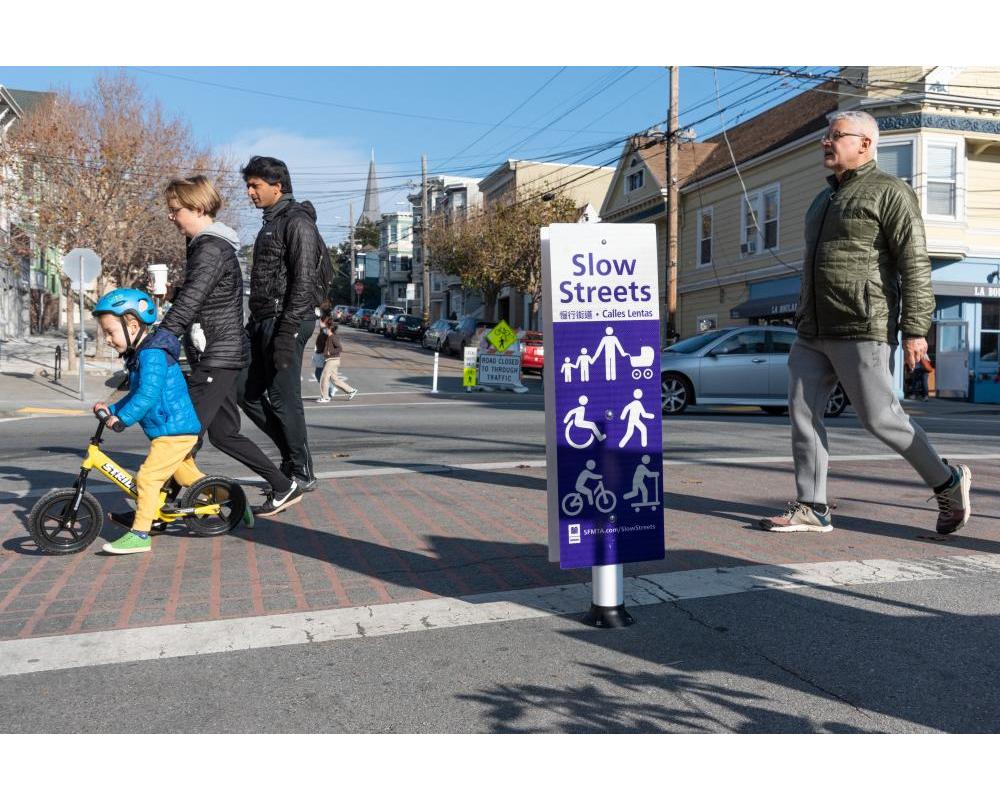
San Francisco Slow Streets Bucks Citywide Trend, Reducing Injuries by 61 Percent
Low-cost interventions aimed at slowing traffic are making a major impact on road safety.
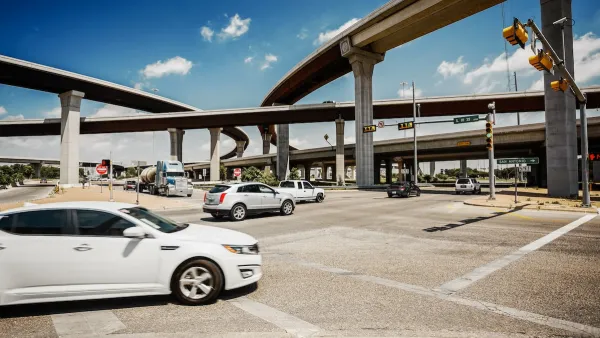
Report: Vision Zero Saving Lives in Austin
Safety improvements at major intersections led to a 22 percent reduction in deaths and severe injuries and saved the city over $28 million.
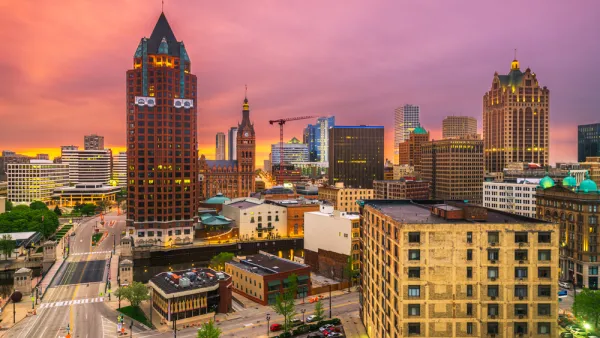
A Look at Milwaukee’s Vision Zero Efforts
The city is making slow but steady progress on reducing traffic deaths. Some advocates say changes aren’t being implemented fast enough to save lives.

The state-sanctioned urbicide of Austin
People don’t kill cities. Freeways do.

US to reduce Colorado River water deliveries to Mexico
A new Colorado Treaty amendment reduces Mexico’s Colorado River water allocation by 250,000 acre feet.

New Jersey’s second-largest city bans standalone data centers
Jersey City will continue to allow co-location facilities, such as those meant for research institutions that store their own data.

Amtrak not solely to blame for New Jersey commuter rail's unreliability, report finds
A new study from the Garden State Initiative found that NJ Transit’s budget grew 20% across a 4 year period, but reliability declined significantly over the same period.

EPA erases limits on planet-warming pollution from power plants
Under Monday’s plan, power plants would still have some limits on how much mercury, arsenic and other contaminants they can emit.

Phoenix announces new on-demand transit service, more frequent RAPID buses
Both new services will launch in October, and are part of Phoenix's Project Effective Access Solutions for Easing Congestion.

FREE Course: Walkable City 1: Why Walkability?
After describing his path towards focusing on walkability as the essence of good planning, Jeff Speck marches through his five principal reasons for making more walkable places.
Reinventing Malls: Planning Alchemy—Turning Gray Fields Into Gold
The course focuses on the opportunities and imperatives that shape reinvention of mall sites.

Eagle County Government
Harvard University Graduate School of Design
Nashville Planning Department
The Architects Foundation
University of Cincinnati Online
The Pocatello Development Authority
The Urban Renewal Agency of the City of Pocatello
Journal of the American Planning Association