Adaptive Reuse
Shared Kitchen Space: Best Culinary Innovation since the Food Truck?
Potentially the biggest culinary innovation since the gourmet food truck, L.A. Prep upholds principles of smart growth while supporting culinary entrepreneurs. Artisanal food producers will move into its 50 kitchens starting in January.
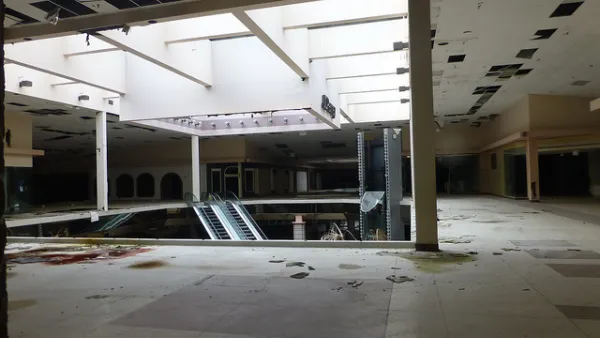
Life, Death, and Repurposing of the Great American Mall
A PBS Newshour economic correspondent visits the sites of former malls in Ohio and Massachusetts, some successfully repurposed, others in construction, and one in decay, speaking with economic experts along the way about the future of the mall.
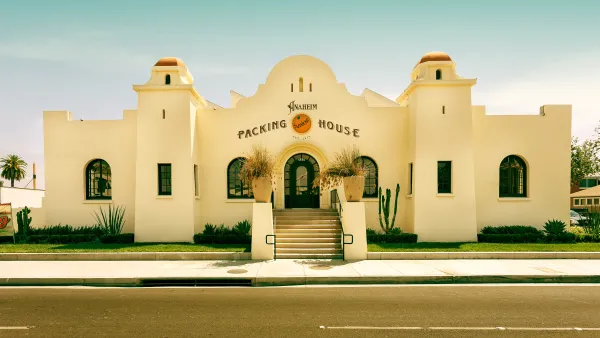
'Foodie Districts' and Downtown Revitalization
Anaheim's packing house signals a new trend with deep roots.
Adapt and Reuse: Transforming the Old to the New
Adaptive reuse can help the old become the new, honoring our history and desire for efficiency along the way. This piece highlights 10 examples of adaptive reuse projects from around the west, depicting them in their before and after states.
Op-Ed: Reintroduce California's Historic Restoration Tax Credit
Despite a veto by Governor Jerry Brown, California’s Assembly Speaker Toni Atkins should keep trying to pass legislation to encourage preservation, says Bay area preservation architect Jerri Holan.
Subtle, Gentle Creep North for Development in San Francisco's SoMa
There is development life in San Francisco outside of SoMa (South of Market). Jim Chappell, former SPUR director, reviews some of the activity in this second installation of a series.
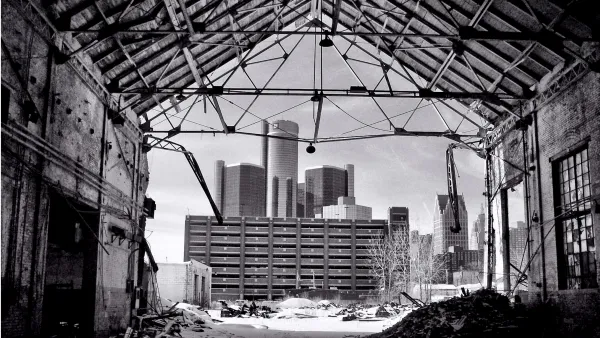
Can Billionaires Revitalize Decayed Downtowns?
Quicken Loans founder Dan Gilbert has an urbanist streak. And only people with his kind of money can singlehandedly buy out big chunks of downtown Detroit. But will his approach to neighborhood-making actually benefit the city as a whole?
Philadelphia Studying Reuse of Defunct Underground Rail Line
Ryan Briggs reports on the planning study bringing new hope to efforts to activate or repurpose the "City Branch," a dormant subterranean rail line in Philadelphia.
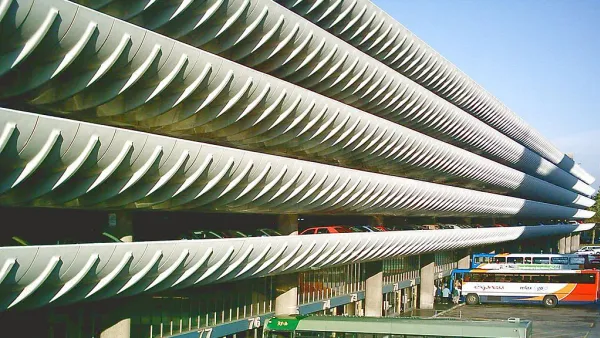
Are Brutalist Buildings Too Obdurate to Preserve?
Famous examples of aging architecture styles, such as brutalism, are in need of renovations, sometimes requiring the public to pay the bill. But brutalist buildings are often obdurate and hard to adapt and reuse.
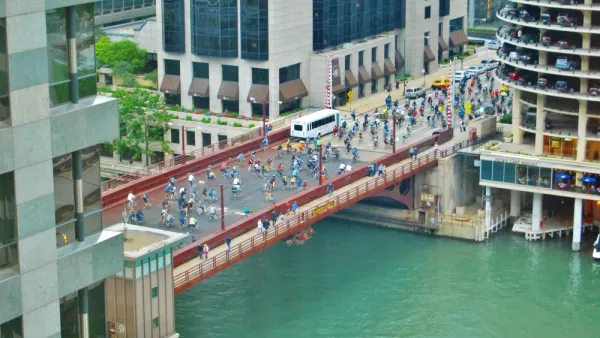
Watch: How the Chicago Riverwalk Project Will Transform the City
Sasaki Associates has produced a video about the under-construction Chicago Riverwalk. The lesson for all cities from the video, as well as the project: "If you can imagine it, you can built it."
Baltimore Past and Future Found on Brewers Hill
Adaptive reuse of historic breweries has revitalized the Brewers Hill neighborhood in Baltimore, which is well-situated with future Red Line access and proximity to the Port of Baltimore and the Canton Crossing shopping district.
Adaptive Reuse Driving San Francisco's Tech Boom
Tech firms have taken over more than three million square feet of existing office and industrial space in San Francisco—nearly the equivalent of New York City's new 1 World Trade Center building.
Downtown Dallas' Comeback Story
Downtown Dallas provides another example of the redemptive power of adaptive reuse. With the number of empty buildings declining every year and more ambitious projects on the way, is it safe to say Downtown Dallas is all the way back?
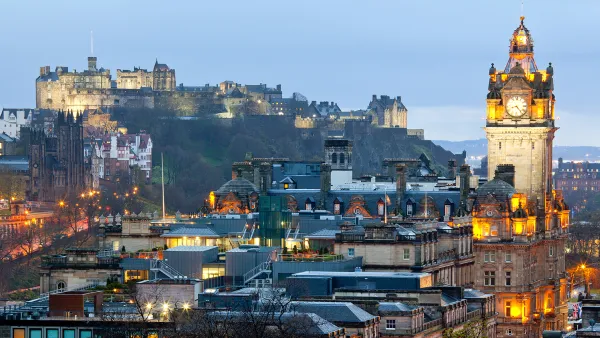
Why Urban History Matters
Chuck Wolfe's recent reconnaissance of Edinburgh provides a foil for his rallying cry: Going forward, let’s not discount the influence of history’s recurring themes in how we redevelop the urban realm.
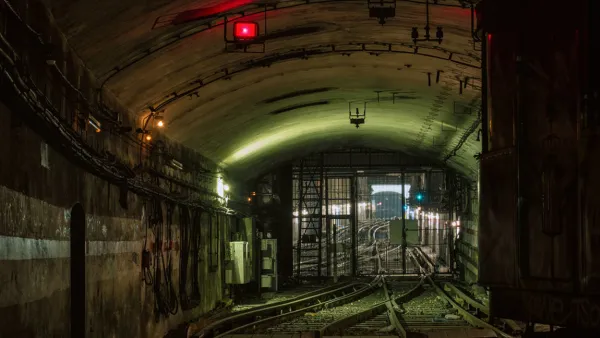
Reimagining Paris’s Derelict Métro Stations
Parisian mayoral candidate Nathalie Kosciusko-Morizet's proposal for the city’s abandoned train stations can be safely described as awesome. The designs are still a dream, but the city of lights is a good place for creative activity.
Pizza Hut and the Legacy of Corporate Architecture
For Americans growing up in the 1980s, the sight of a stand-alone restaurant with board-and-batten siding and a red-tile roof meant one thing: pizza ahead.
Future-Proofing Underground Condo Parking
Declining demand for zoning-mandated underground condominium parking has Toronto developers and architects talking about ways to design flexible sub-surface spaces to accommodate the possibility of alternate future uses.
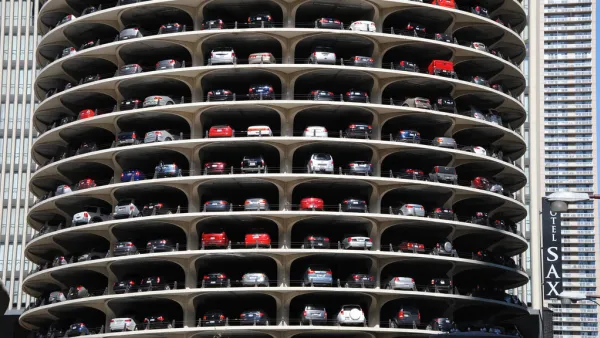
Replacing Parking with People: The Next Wave of Adaptive Reuse
The trend towards less driving and auto ownership is causing designers to rethink the future of America's ever-growing supply of parking garages. Eric Jaffe explores what it means to design a garage with an eye towards a less car-dependent future.
St. Louis Takes a Farsighted Approach to Preserving Its Past
Recognizing the potential value of its historic homes and industrial buildings, but with few plans for reuse in the immediate future, the City of St. Louis is proposing to establish a preservation fund to mothball some of its 6,000 vacant buildings.
Reuse of Old Bridges Elevates Urban Living
Melanie D.G. Kaplan examines a growing trend in adaptive reuse—the transformation of old and underutilized bridges into elevated parks, walkways, and engines of economic development.

FREE Course: Walkable City 1: Why Walkability?
After describing his path towards focusing on walkability as the essence of good planning, Jeff Speck marches through his five principal reasons for making more walkable places.
Reinventing Malls: Planning Alchemy—Turning Gray Fields Into Gold
The course focuses on the opportunities and imperatives that shape reinvention of mall sites.

City of Wisconsin Rapids
Harvard University Graduate School of Design
KFH Group Inc.
The Architects Foundation
University of Cincinnati Online
The Pocatello Development Authority
The Urban Renewal Agency of the City of Pocatello