Adaptive Reuse
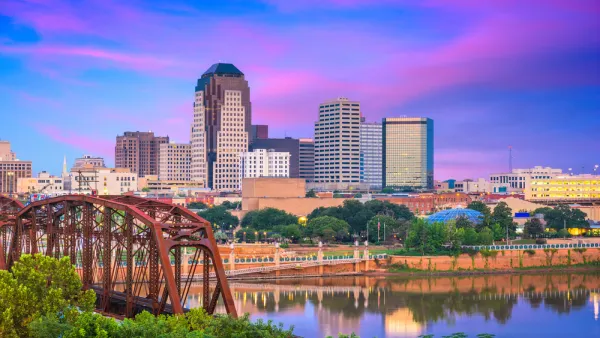
Downtown Revitalization Comes to Louisiana
Like many cities before it, Shreveport's downtown is transforming through the renovation of historic buildings.

Toward a System of Adaptive Reuse Feasibility
A relative lack of conversions from office to residential—the adaptive reuse model driving the housing market in many urban areas—makes the Washington, D.C. region a perfect place to study the factors that make or break an adaptive reuse proposal.
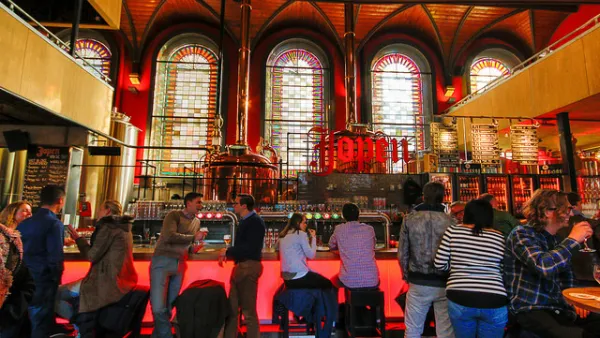
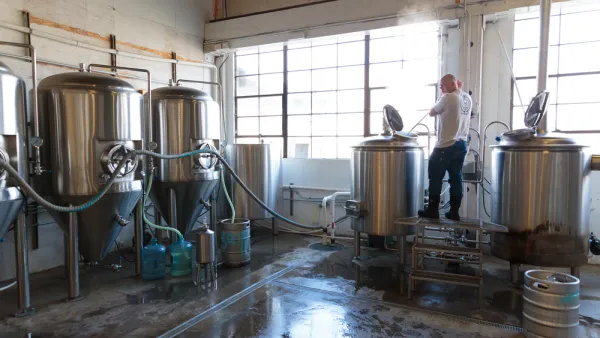
Adaptive Brew-Use
The Associated Press explores the trend of churches rebuilt as breweries.
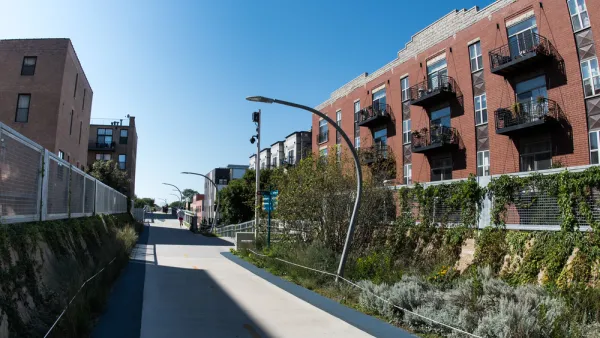
Sustainable for Whom? Large-Scale Urban Development Projects and 'Environmental Gentrification'
Large, adaptive-reuse projects are all the rage in urban planning today, but absent a fundamentally new approach—with affordability at the center of the process—they are likely to become engines of what's been termed "environmental gentrification."
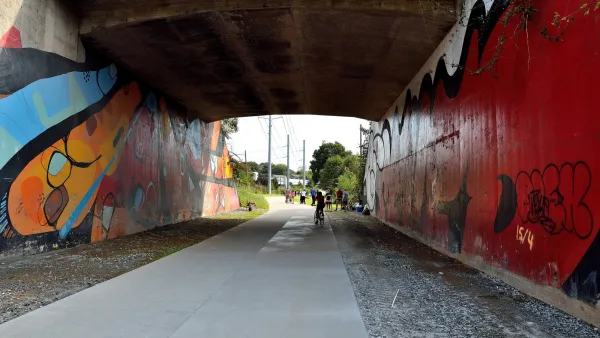
Atlanta BeltLine Raises the Specter of 'Environmental Gentrification'
Large-scale adaptive reuse projects like the BeltLine in Atlanta receive praise in many circles. But they can also release a flurry of speculation, severely threatening affordability.
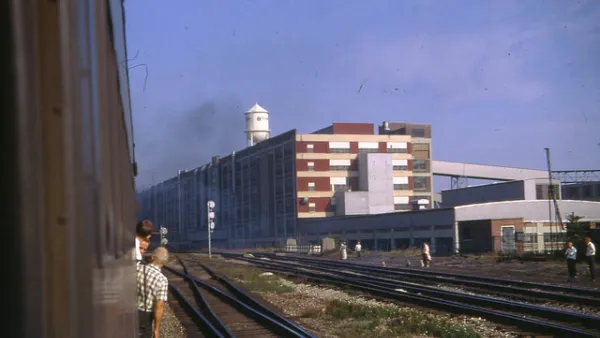
South Bend Has Big Innovation District Plans
Public Radio International (PRI) surveys the keys to an ambitious plan to restore the industrial "temples" of South Bend, Indiana.
Copenhagen's Post-Industrial Adaptive Reuse
Danish firm COBE redesigned a former grain-storage silo in Copenhagen into a 17-storey residential apartment building with 38 units of varying sizes.
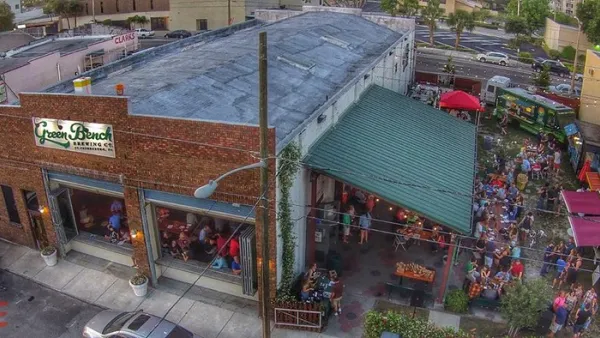
Millennials Prefer Revitalized Historic Areas, Not Malls
Are millennials the key to preservation? A new survey finds that millennials prefer to live, work and play in neighborhoods with historic buildings.

Oregon City's Spectacular Vision for the Willamette Falls Riverwalk
Brian Libby reports from Willamette Falls in Oregon City, Oregon, where plans for the Willamette Falls Riverwalk are taking shape.
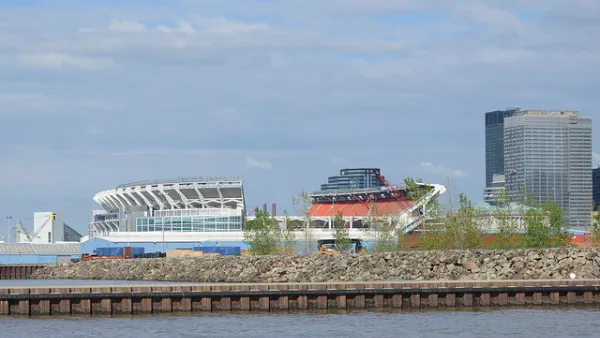
Cleveland Considering Options for Derelict Lakefront Power Plant
A planning consultant hired by FirstEnergy is putting out the first speculative ideas for the future of a contaminated lakefront site of a most demolished power plant.
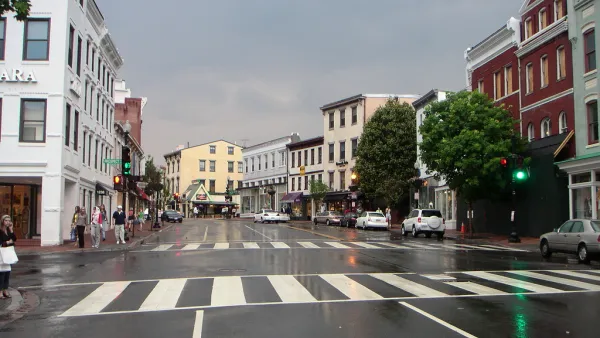
D.C.'s Comprehensive Zoning Update Takes Effect
After nine years of controversy, the District's first zoning revamp since 1958 is officially on the books.

National Trust's 'ReUrbanism' Initiative Puts Adaptive Reuse Front and Center
The National Trust for Historic Preservation's ReUrbanism initiative has hit the ground running.
Op-Ed: Don't Ditch Those Industrial Land Uses
An op-ed describes the choice by many cities to prioritize residential projects in old industrial spaces as short-sighted and potentially unjust.
Parking Minimums Could Torpedo an Adaptive Reuse Project in Cincinnati
A vote by the city of Cincinnati's Historic Conservation Board, of all things, would prioritize parking over historic integrity.
How a Historic Business Will Anchor a New Cultural District in Louisville
A historic corner of Louisville is getting a makeover as a cultural district for the 21st century. The $28 million already has preliminary approval for $7.2 million state tourism tax credits.
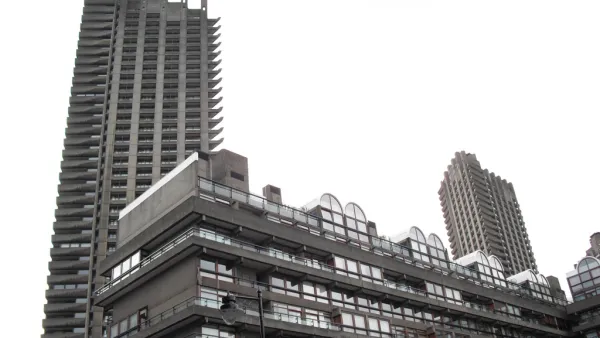
Balancing the Need for Housing Supply with Need for Office Space
London is the stage for one of the problems that arises when encountered with a dearth of accommodations for housing and offices.
Memphis and the Origins of the Crosstown Concourse
In an interview with Crosstown Concourse's Todd Richardson, Thriving Cities explores the challenges of revitalizing and transforming Memphis' old Sears Roebuck Building.
Surveying the Adaptive Reuse of Detroit
Although it's a favorite tool of urbanists all over the country—Detroit has taken to adaptive reuse with singular aplomb.
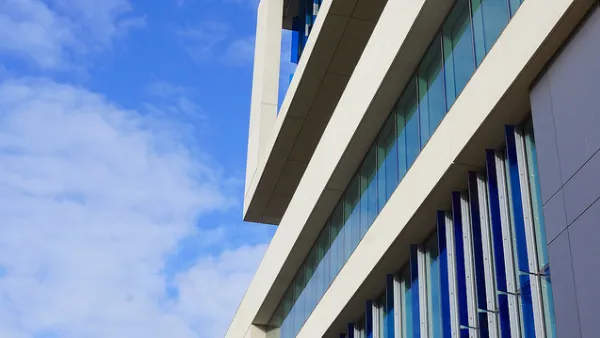
10 of the Best Adaptive Reuse Projects
A list of adaptive reuse projects completed in the last five years includes a diverse collection of breweries turned hotels, a dry dock turned into a museum, and much more.
The Never-Built Legacy of New York's Tech Firms
A big picture explanation, with case studies, of why New York's newest wave of commercial businesses won't leave their mark on the city like it might have in the past.

FREE Course: Walkable City 1: Why Walkability?
After describing his path towards focusing on walkability as the essence of good planning, Jeff Speck marches through his five principal reasons for making more walkable places.
Reinventing Malls: Planning Alchemy—Turning Gray Fields Into Gold
The course focuses on the opportunities and imperatives that shape reinvention of mall sites.

City of Wisconsin Rapids
Harvard University Graduate School of Design
KFH Group Inc.
The Architects Foundation
University of Cincinnati Online
The Pocatello Development Authority
The Urban Renewal Agency of the City of Pocatello