Danish firm COBE redesigned a former grain-storage silo in Copenhagen into a 17-storey residential apartment building with 38 units of varying sizes.


The Silo project in Copenhagen, Denmark is part of a master plan undertaken by COBE that is intended to revitalize Nordhavn, the city's industrial waterfront district, writes Kimberley Mok.
"The idea is to transform some of the area's derelict industrial facilities into a place for new residents and for the public as well, says COBE founder and creative director Dan Stubbergaard: The Silo will be inhabited, but at the same time it will be a destination. An urban trigger and anchor point for the new development of Nordhavn."
"The former grain silo is the largest of the area's industrial buildings and offered an opportunity to accommodate apartments, as well as public functions including a restaurant on its upper floor and an events space at ground level. Its regeneration coincides with Heatherwick Studio's conversion a grain silo in Cape Town into a hotel and art gallery. The hotel occupying the upper part of the building opened earlier in 2017."
Read the full story: Derelict grain silo converted into post-industrial residences in Copenhagen

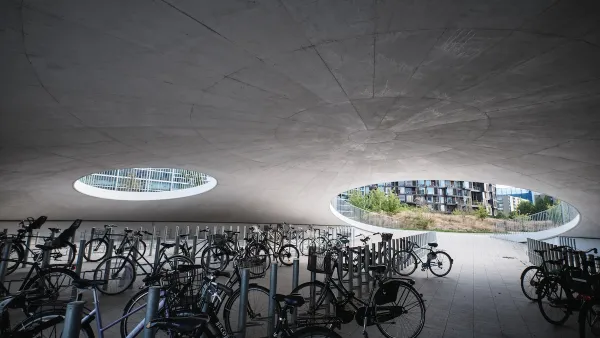
How Copenhagen Became a ‘Sponge City’
The Danish capital is implementing a massive, multi-pronged strategy to build resilience against flooding and shore up water supplies during drought periods.
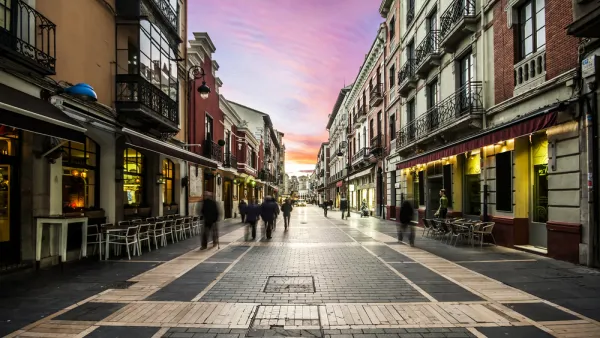
Envisioning the 'Soft City'
Density and diversity—where boundaries between spaces and uses are lessened—create more vibrant, livable places and more functional cities.
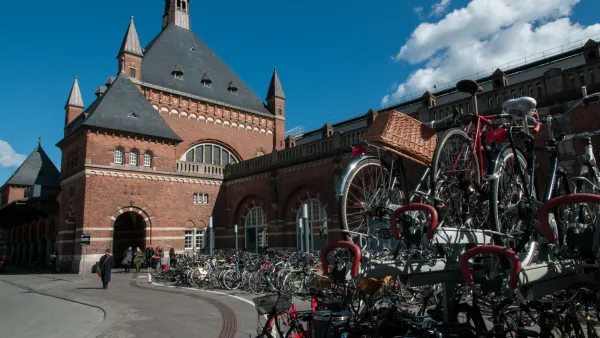
Copenhagen Strives to Be Carbon Neutral by 2025
The Danish capital has an ambitious goal to be the world’s greenest and most bike-friendly city, and it is taking big steps to make that happen soon.

Planetizen Federal Action Tracker
A weekly monitor of how Trump’s orders and actions are impacting planners and planning in America.

Amtrak, CN end decades-long dispute with eight-year agreement
The new operating agreement establishes an updated framework for the companies to work together, including processes to resolve disputes.

Judges permit Denver to divert 77,000 acre feet from the Colorado River for reservoir expansion
Overuse and climate change have caused the Colorado River’s water levels to plummet.

NYC DOT wants faster, more permanent street upgrades
The city is examining ways to build more concrete infrastructure without getting entangled in 'decades-long' projects.

'Something we’ve never seen before:' rising utility rates could strain city finances nationwide
Data centers, climate change and other factors have caused utility rates in the United States to increase by 38% since 2020.

Trump to overrule local leaders, lease millions of acres of America’s Pacific Island territories’ seafloors to mining companies
International law says that the Indigenous people of America’s territories have a right to prior and informed consent regarding projects that impact their countries.

FREE Course: Walkable City 1: Why Walkability?
After describing his path towards focusing on walkability as the essence of good planning, Jeff Speck marches through his five principal reasons for making more walkable places.
Reinventing Malls: Planning Alchemy—Turning Gray Fields Into Gold
The course focuses on the opportunities and imperatives that shape reinvention of mall sites.

Harvard University Graduate School of Design
KFH Group Inc.
Greater Baltimore Committee
The Architects Foundation
University of Cincinnati Online
The Pocatello Development Authority
The Urban Renewal Agency of the City of Pocatello