Boston residents didn't like being charged more for parking at peak hours in the Seaport and the Back Bay, and Mayor Martin J. Walsh has heard their complaints.


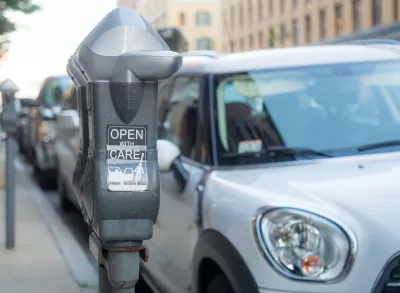
"Boston drivers could get relief from sky-high parking meter fees in Hub hot spots like Newbury Street or the Seaport District by the end of the year after Mayor Martin J. Walsh found the peak pricing strategy failed to cut congestion," according to an article by Hillary Chabot.
Mayor Walsh is quoted directly in the article, describing the failed expectations of the pilot project he launched in January: "If it doesn’t make a significant improvement in cutting back traffic, I don’t see any reason for surge pricing,” he said. Mayor Walsh is not quoted considering whether cheaper parking might inspire more people to drive, thus creating more congestion.
"The program jacked up meter fees at more than 2,200 parking spaces in the Seaport as well as the Back Bay, from $1 to up to $3.75 currently," according to Chabot. "The pilot program is part of a larger study examining the future of parking in Boston and how parking policies can increase business access and ensure access to parking spaces."
Read the full story: Meter plan peters out


Dynamic Parking Prices Lack Political Will, Local Support Near Wrigley Field
Setting the example for the rest of city was too tough a pill to swallow for businesses located near Wrigley Field.

Dynamic Parking Prices Coming to Milwaukee
One of the key elements of progressive parking policy, as recommended by Donald Shoup, is on the way to the on-street parking meters in the city of Milwaukee.
Two New Parking Policies Put Portland in the Lead on Parking
Portland will implement dynamic meter pricing and parking districts, making it the leader in progressive parking policies in the Pacific Northwest, according to this article.

Planetizen Federal Action Tracker
A weekly monitor of how Trump’s orders and actions are impacting planners and planning in America.

‘Going backwards:’ Baltimore mayor, students rally against state's transit funding plan
Maryland's proposed six-year plan provides no funding for Baltimore’s BMORE bus program and reduces its road maintenance funding.

Detroit to transform waterfront with $2.2 billion investment
Developers will convert about 18 acres of unused parking lot space into civic spaces.

25 states, cities sue the EPA over erased power plant emissions limits
The coalition also intends to sue the EPA for not regulating emissions from gas-fired power plants.

Newsom vetoes giving CA tribes greater voice in water projects
In his veto letter, Newsom said the bill would add ‘uncertainty’ to the state’s fight to secure Californians’ water supplies.

Michigan Senate votes to revise 'lax' dam safety laws
A Bridge Michigan investigation found more than 100,000 Michigan residents live in the floodpath of a high or significant-hazard dam.

FREE Course: Walkable City 1: Why Walkability?
After describing his path towards focusing on walkability as the essence of good planning, Jeff Speck marches through his five principal reasons for making more walkable places.
Reinventing Malls: Planning Alchemy—Turning Gray Fields Into Gold
The course focuses on the opportunities and imperatives that shape reinvention of mall sites.

City of Thousand Oaks
City of Wisconsin Rapids
Harvard University Graduate School of Design
The Architects Foundation
University of Cincinnati Online
Northern Illinois Transit Authority (NITA)
The Pocatello Development Authority
The Urban Renewal Agency of the City of Pocatello