Congestion
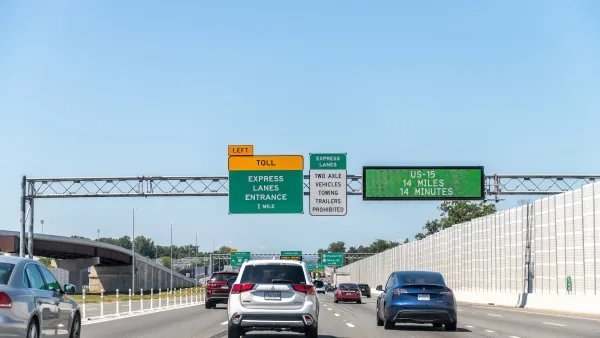
Congestion Costing Reality Check, Part 2: A congestion costing critique
There are good reasons to be skeptical of highway industry claims that traffic congestion is a growing problem. Their analysis is often incomplete and biased. Let’s pull back the curtain on some major congestion cost studies.
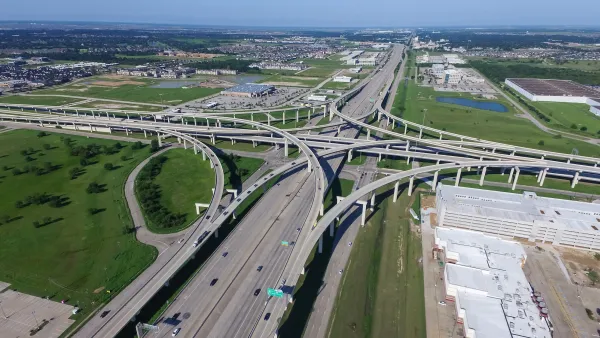
Induced demand is real: Commutes on Houston's 26-lane freeway take 51% longer after expansion
A massive freeway expansion only led to longer drive times, showing that building more lanes won't solve congestion.
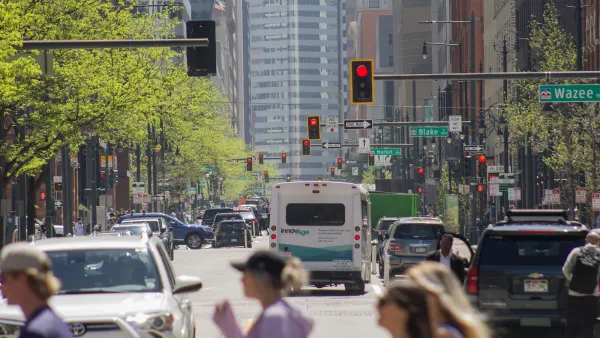
Congestion Costing Reality Check, Part 1: Congestion evaluation best practices
Widely cited studies claim that traffic congestion is a huge and growing problem. They exaggerate. Let’s examine how to correctly calculate congestion costs and roadway expansion benefits.
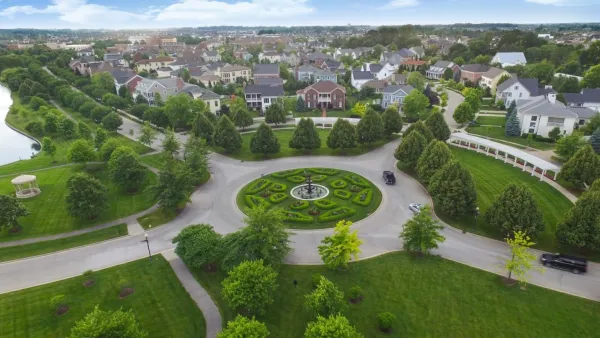
America's 'roundabout city' is in … Indiana?
Carmel, Indiana has built over 150 roundabouts as part of a broader mobility and development strategy.
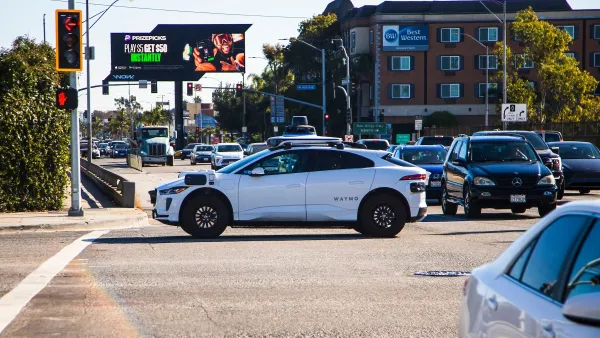
MIT study confirms robotaxis don't reduce traffic
Waymo data reveals that the cars spend close to half of their time 'deadheading' — driving around with no passengers.

Lawsuit Delays DC Bike Lane Closure Until at Least April
Crashes on 15th Street dropped by 46% since the bike lanes were added.
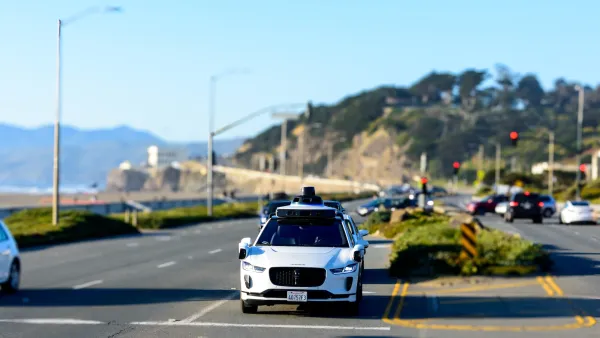
Study: Self-driving Cars Could Raise VMT by 6%, Increasing Congestion
The study contradicts early predictions that AVs would reduce driving miles.
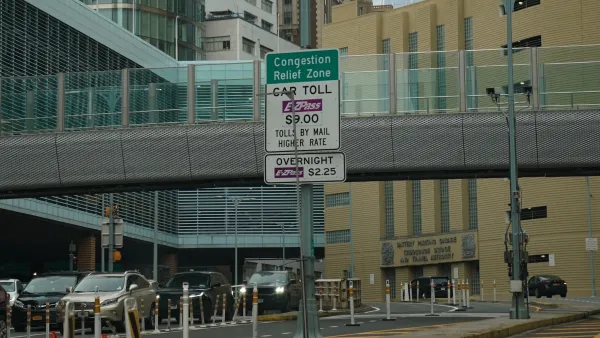
Judge Rules to Keep NYC Congestion Pricing, Ending Trump's Legal Challenge
The decision likely deals a fatal blow to efforts to end the program, but the Trump administration says it will explore other avenues for reversing the congestion pricing scheme.
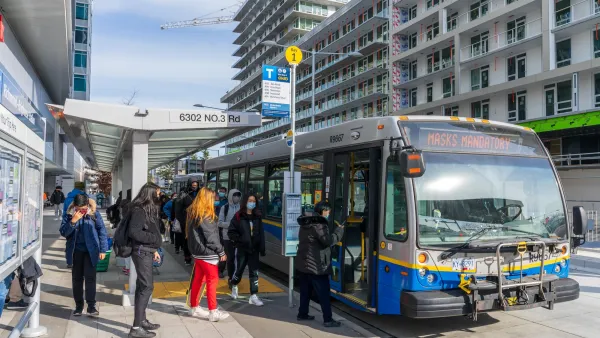
Why “Full Buses are a Car Commuter’s Dream”
Even a 5-10% drop in cars on the road can dramatically ease congestion, making healthy transit systems a win-win for transit users and drivers alike.
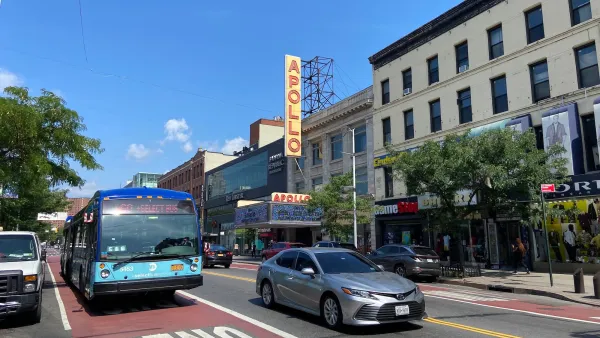
Study: Bus Lanes Boost Speeds for Both Buses and Cars
Dedicated transit and bike lanes can speed up traffic for everyone on busy roads.
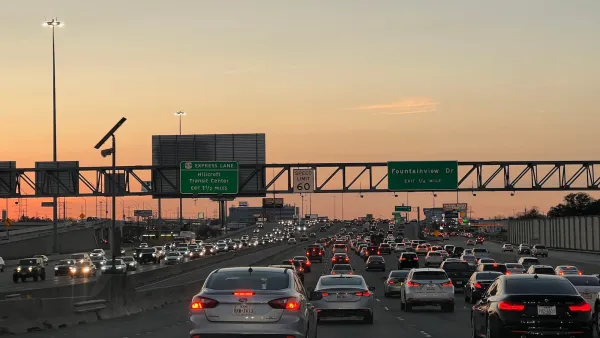
US Traffic Patterns are Shifting, but Car-centric Development Persists
Los Angeles, Honolulu, and San Francisco ranked among the nation’s most congested cities, while New York reduced traffic and increased transit speed and ridership thanks to its congestion pricing program.
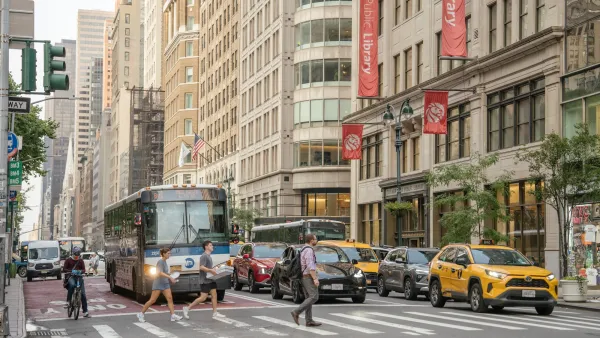
One-Year Numbers Show Clear Win for NYC Congestion Pricing
While the Trump administration continues trying to kill the program, data one year out shows that the new toll dramatically decreased traffic and improved transit travel times.
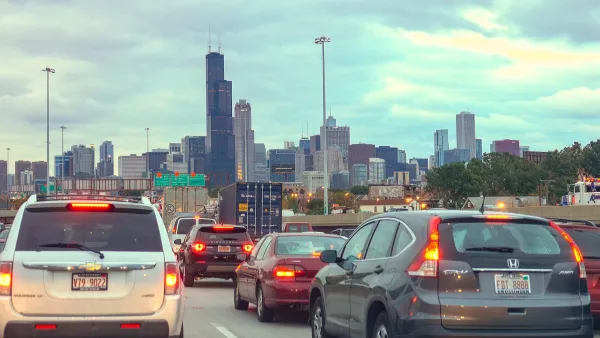
Since NYC Congestion Pricing, Chicago now has Nation’s Worst Traffic
Chicago overtook New York for the worst traffic of any major U.S. city as NYC saw traffic decline after congestion pricing went into effect.
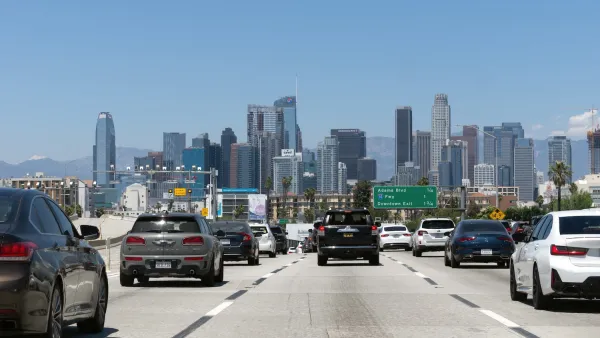
Report: Caltrans Models, Which Guide Billions in Transportation Funding, are Inaccurate and Outdated
Many of the predictive models used by California’s transportation agency fail to account for post-pandemic travel patterns and induced demand.
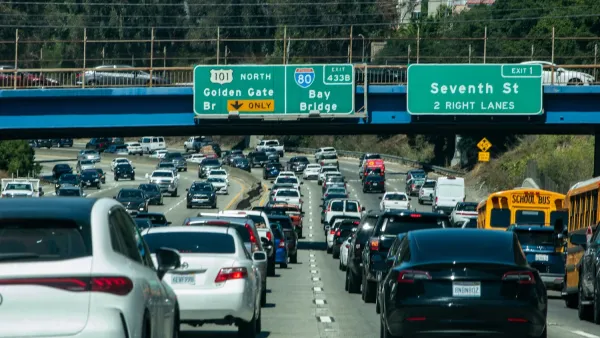
US Commuters Lost 8 Workdays to Traffic in 2024
As more employers call workers back to the office, commute times are growing — and costing drivers in time and money.
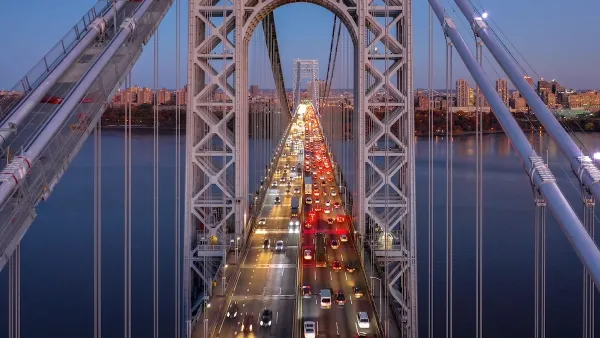
Vehicle Miles Travelled, Level of Service, and a Soon-to-be-Insolvent Transportation Trust Fund
Level of Service and the gas tax have served our transportation needs for a long time. Now, it’s time for a change.
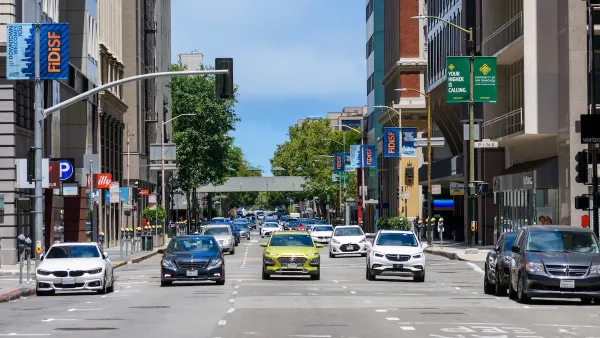
One-Way Streets Have Worse Crashes, Higher Crime and Lower Property Values — Why do we Still Use Them?
How reverting one-way streets to two-way can boost both safety and economic development.
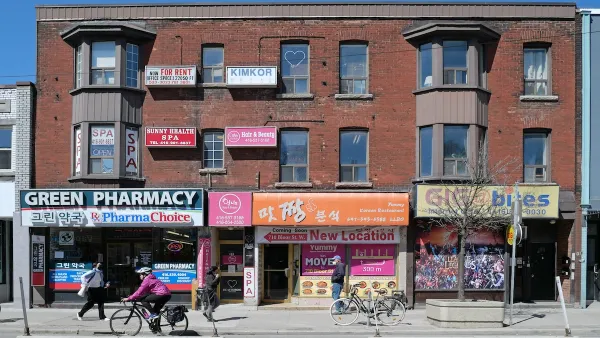
Ontario Judge Saves Toronto Bike Lanes
A court order bars the provincial government from removing bike lanes, saying the decision would make roads more dangerous and fail to reduce congestion.
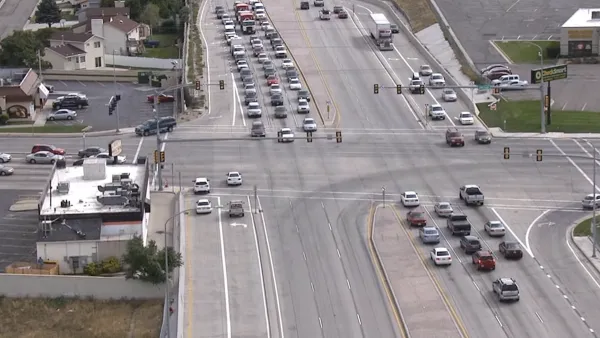
North Carolina Deploys 2,500 AI-Based Traffic Signals
The signals use AI to collect data and help traffic engineers make decisions and implement changes more quickly and effectively.
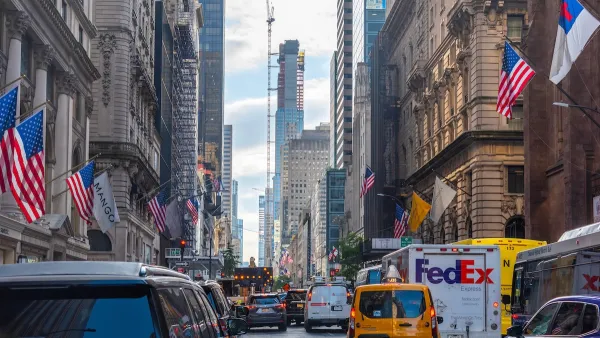
NYC Congestion Pricing: Still Working
10 million fewer vehicles entered the congestion pricing zone in the first six months of the program than last year, while pedestrian fatalities are at ‘historic lows.’

FREE Course: Walkable City 1: Why Walkability?
After describing his path towards focusing on walkability as the essence of good planning, Jeff Speck marches through his five principal reasons for making more walkable places.
Reinventing Malls: Planning Alchemy—Turning Gray Fields Into Gold
The course focuses on the opportunities and imperatives that shape reinvention of mall sites.

City of Thousand Oaks
City of Wisconsin Rapids
Harvard University Graduate School of Design
The Architects Foundation
University of Cincinnati Online
The Pocatello Development Authority
The Urban Renewal Agency of the City of Pocatello