An analysis of travel times in major world cities reveals how much time drivers spend in traffic.


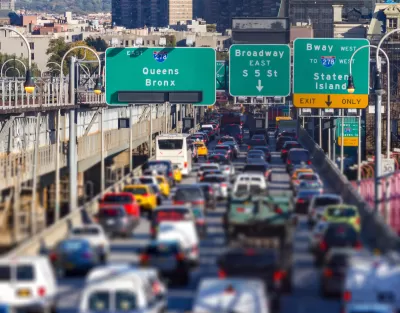
A study from TomTom ranks New York City as the worst U.S. city for traffic congestion and travel speeds, with San Francisco coming in second, reports Magdalena Del Valle in Bloomberg CityLab.
“People from the top 10 US cities with the longest travel times lost an average of 60.6 hours commuting over peak hours by car last year,” according to the study. Cities with bottlenecks like bridges or mountain roads tend to have higher congestion, according to a TomTom analyst.
Travel speeds and congestion were ranked separately. “The researchers gave cities one ranking based on travel speed and another on ‘congestion’ — a metric that discounts other factors that slow drivers down like infrastructure and speed limits.” In cities like New York, the built environment makes driving a car slower regardless of traffic. “To encourage faster alternative means of travel, New York City plans to invest the revenue from its new congestion pricing policy in infrastructure for improved public transit and biking.”
Read the full story: New York, San Francisco Ranked Worst for US Traffic in City Centers

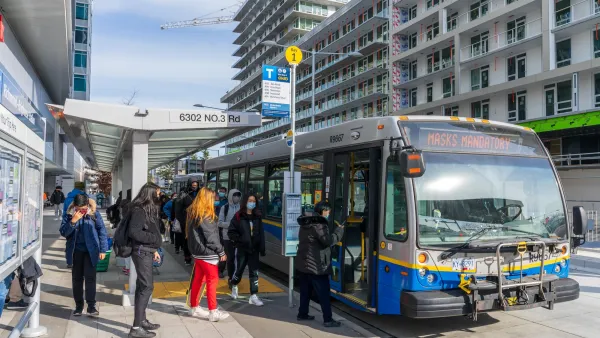
Why “Full Buses are a Car Commuter’s Dream”
Even a 5-10% drop in cars on the road can dramatically ease congestion, making healthy transit systems a win-win for transit users and drivers alike.
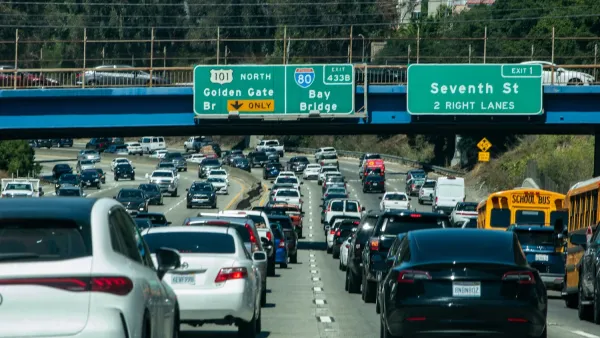
US Commuters Lost 8 Workdays to Traffic in 2024
As more employers call workers back to the office, commute times are growing — and costing drivers in time and money.
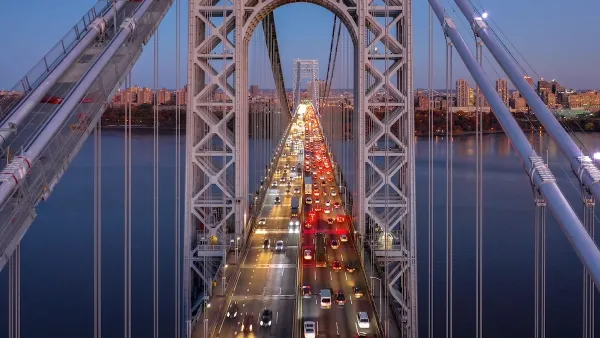
Vehicle Miles Travelled, Level of Service, and a Soon-to-be-Insolvent Transportation Trust Fund
Level of Service and the gas tax have served our transportation needs for a long time. Now, it’s time for a change.

Planetizen Federal Action Tracker
A weekly monitor of how Trump’s orders and actions are impacting planners and planning in America.

Amtrak, CN end decades-long dispute with eight-year agreement
The new operating agreement establishes an updated framework for the companies to work together, including processes to resolve disputes.

Northwest rail fans eager for Sept. 30 debut of Amtrak’s Airo fleet
Get ready for that new train smell and more seats. But they won’t go faster or run more frequently on the Cascades route in Washington and Oregon.

Brightline Florida files for bankruptcy
The transit company is over $5 billion in debt.

St. Louis Metro to test if single-car trains can reduce operating costs, maintain rider satisfaction
The pilot program will run from October to spring 2027, and begin with one single-car train operating on Metrolink’s Red and Blue lines.

Pennsylvania is building data centers in abandoned mines
Housing data centers in mines provides an alternative to destroying local forests and may spare residents from data centers’ noise and air pollution.

FREE Course: Walkable City 1: Why Walkability?
After describing his path towards focusing on walkability as the essence of good planning, Jeff Speck marches through his five principal reasons for making more walkable places.
Reinventing Malls: Planning Alchemy—Turning Gray Fields Into Gold
The course focuses on the opportunities and imperatives that shape reinvention of mall sites.

City of Thousand Oaks
City of Wisconsin Rapids
Harvard University Graduate School of Design
The Architects Foundation
University of Cincinnati Online
The Pocatello Development Authority
The Urban Renewal Agency of the City of Pocatello