A one-size-fits-all urban landscape doesn't mean that different ethnic neighborhoods don't find ways to personalize them. A UC Berkeley graduate student investigates how cultures perceive space.


"Preliminary results show that people - especially in Oakland's ethnic neighborhoods - want bustling neighborhoods with services that remind them of their native land.
Residents in the heavily Latino Fruitvale district enjoy the pedestrian-friendly International Boulevard, where sidewalk vendors sell everything from tacos to toys. In Chinatown, residents say they like the elbow-to-elbow crush of people on the sidewalks shopping at produce stores and other shops, and they like the cacophony of cars and bicycles because it reminds them of big-city life in China.
The bottom line, Lemon said, is that Oakland and other cities need to get beyond one-size-fits-all city planning and architecture and pay heed to individual neighborhood needs.
'I wanted to find out if Hispanics, Chinese, African Americans or Caucasians prefer different types of space,' Lemon said. 'Would a city's resources be better used designing a picturesque park or put into a better streetscape or fields for soccer or football? It's more than an academic exercise.'"
Read the full story: How ethnic groups change Oakland neighborhoods
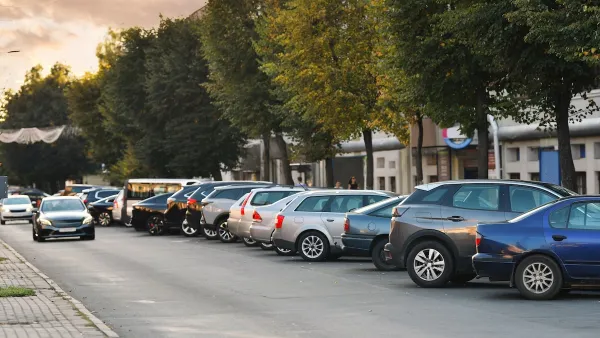
Less housing, wasted money: study reveals impact of city parking mandates
The study found that 71% of carless households in the United States pay for a parking space they don’t use.
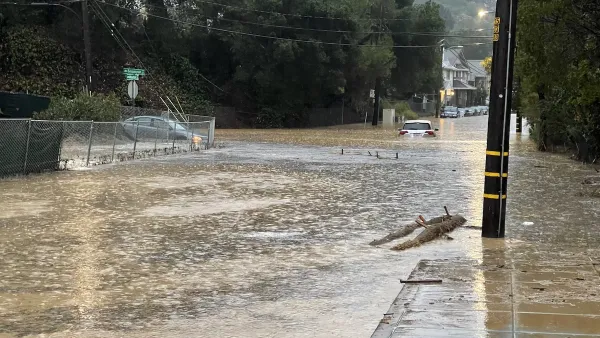
A multi-billion dollar problem is brewing under Oakland’s streets
Oakland’s stormwater drainage systems are in desperate need of upgrades and repairs. The El Niño will only further strain the city’s infrastructure.
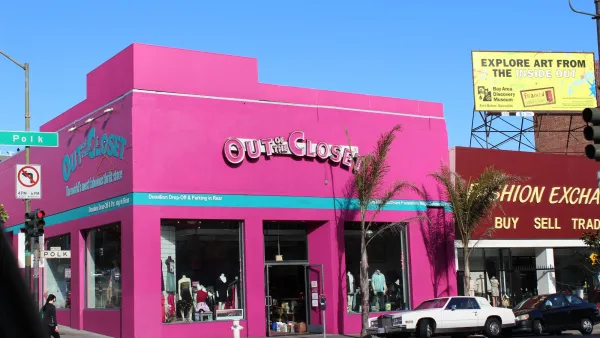
Thrift stores, public libraries and genderless bathrooms: How public amenities become trans infrastructure
Amenities like ample public transit, affordable retail and non-gendered bathroom spaces can make cities more safe and welcoming for transgender residents — and everyone else.

Planetizen Federal Action Tracker
A weekly monitor of how Trump’s orders and actions are impacting planners and planning in America.

California plans to bury El Niño’s downpour
If the state plays its cards right, it may be able to store a billion acre-feet of El Niño’s water in aquifers.

Desperate measures: Advocates weigh draining Lake Powell to fill Colorado River
Draining the reservoir could reduce evaporation losses by a couple hundred thousand acre-feet.

Mamdani’s pied-à-terre tax survives legal challenge
A panel of judges found that the plaintiffs failed to demonstrate injury as a result of New York City's implementation of the tax.

Eastern Nebraska is running out of electricity
Data centers and electrification are straining eastern Nebraska’s grid, throttling economic development.

Seattle passes record-breaking transit services expansion
Proposition 1 will double the city’s transit tax to add 95,000 more bus trips and preserve 180,000 bus trips annually.

FREE Course: Walkable City 1: Why Walkability?
After describing his path towards focusing on walkability as the essence of good planning, Jeff Speck marches through his five principal reasons for making more walkable places.
Reinventing Malls: Planning Alchemy—Turning Gray Fields Into Gold
The course focuses on the opportunities and imperatives that shape reinvention of mall sites.

City of Rosemead
Rutgers University, Edward J. Bloustein School of Planning and Public Policy
One Hundred Miles
University of Michigan School for Environment and Sustainability (SEAS)
Hunter College, City University of New York (CUNY)
The Architects Foundation
City of Cambridge
Montrose County
The Pocatello Development Authority