The League of American Bicyclists ranks states based on bike infrastructure and safety efforts.


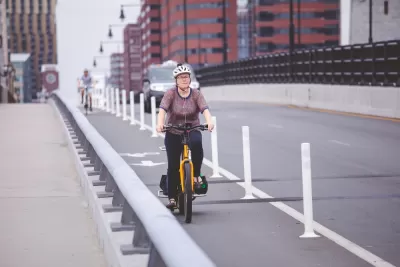
The League of American Bicyclists issued its list of most bike-friendly states, with Washington and Massachusetts topping the list. The top five are rounded out by Oregon, California, and Minnesota.
As Dan Zukowski explains in Smart Cities Dive, “The League ranked states on the basis of five actions it advocates every state to take, said the organization’s policy director, Ken McLeod. These are centered around bicycle infrastructure, safety, funding, planning and laws.”
The report assesses state-owned roads, which see the highest number of fatalities for people biking and walking. “The biggest difference between the best-ranked states and those at the lower rungs is whether they have specific planning around bike safety and update their plans every 10 years,” McLeod said.
While most states are still spending less than 2 percent of federal transportation funds on bike and pedestrian infrastructure, New Hampshire improved its ranking by spending more than 2 percent and creating a new bike plan. “The report calls out Kansas for improving its ranking more than any other state and three states — Maine, Oklahoma and South Carolina — for adopting or planning to adopt their first statewide bike plans.”
FULL STORY: The 5 most ‘bicycle-friendly’ states

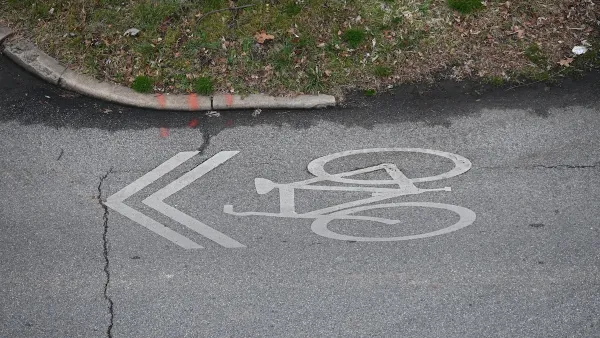
Sharrows Are Ineffective, Potentially Counterproductive
Research shows there’s no substitute for protected bike lanes, and sharrows may make roads more dangerous for cyclists.
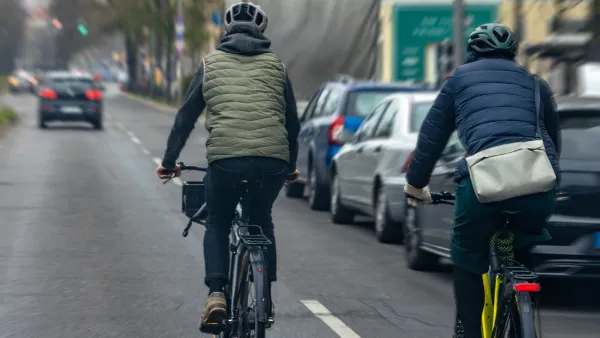
Op-ed: True bike safety requires more than the 'Dutch reach'
Making roads safe for all users takes policy and cultural changes that go beyond small behavioral interventions.
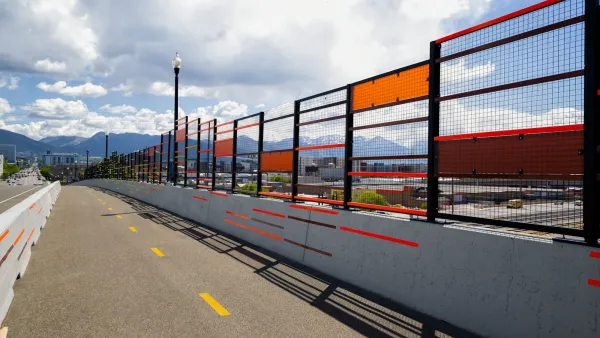
Salt Lake City opens protected bike path on viaduct trail
The 400 South Viaduct Trail features the state's longest continuous piece of public art.

Planetizen Federal Action Tracker
A weekly monitor of how Trump’s orders and actions are impacting planners and planning in America.

The state-sanctioned urbicide of Austin
People don’t kill cities. Freeways do.

US to reduce Colorado River water deliveries to Mexico
A new Colorado Treaty amendment reduces Mexico’s Colorado River water allocation by 250,000 acre feet.

5 New England states march closer to 800 megawatt wind energy project
Securing federal approval for the project may be complicated under the Trump administration, which has historically been hostile towards domestic wind power.

Baltimore to break ground on $50 million Transit Priority Project
The project will bring faster bus trips, safer streets and better bike connections to Baltimore.

Airbnb launches $250 million 'last-dollar financing' housing accelerator, makes first investment in Austin
The company will put $6.4 million towards affordable housing development in Texas’ capital.

FREE Course: Walkable City 1: Why Walkability?
After describing his path towards focusing on walkability as the essence of good planning, Jeff Speck marches through his five principal reasons for making more walkable places.
Reinventing Malls: Planning Alchemy—Turning Gray Fields Into Gold
The course focuses on the opportunities and imperatives that shape reinvention of mall sites.

Eagle County Government
Harvard University Graduate School of Design
Nashville Planning Department
The Architects Foundation
University of Cincinnati Online
The Pocatello Development Authority
The Urban Renewal Agency of the City of Pocatello
Journal of the American Planning Association