A measure set to go before voters in November will fund road safety and mobility projects, but advocates say a much bigger investment is required to meet the city’s needs.


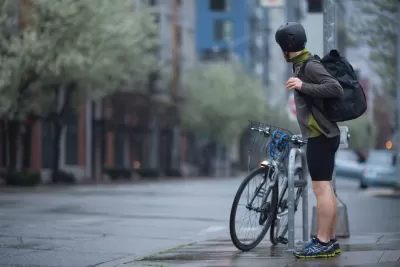
A coalition of Seattle mobility advocates are calling on the city to seek a transportation levy package worth $3 billion, a number much larger than is currently being considered.
As Doug Trumm explains in The Urbanist, “Move Seattle, the nine-year transportation levy approved in 2015 and set to expire at year’s end, was a $930 million package. However, with the City falling behind on key climate goals and actually going backward recently on its pledge to end traffic deaths by 2030, the coalition argues now is the time to accelerate investment rather than coast.”
The coalition claims that the city needs the $3 billion investment to redesign its most dangerous streets, add sidewalks to streets lacking them, build new dedicated transit lanes, add new bike lanes, and make pedestrian safety upgrades to intersections.
Trumm points out that “Tripling the size of the levy may be seen as a dramatic step, but it is one the Harrell administration just took when renewing the Seattle Housing Levy in 2023. Voters supported that decision to the tune of a landslide 69% victory.”
According to Trumm, “Mayor Bruce Harrell is expected to unveil his proposal for the levy package this spring, and it should go to the city council for approval by the summer so that it can appear on November ballots.”
FULL STORY: Mobility Advocates Push Seattle to Seek Bigger $3 Billion Levy

Houston Residents Respond to Mobility Questions
What could the city look like if budget and bureaucracy were no object?
Seattle Mayor Raises Transportation Levy by $100 Million
The proposal sent to City Council includes more funding for multimodal transportation and road safety.
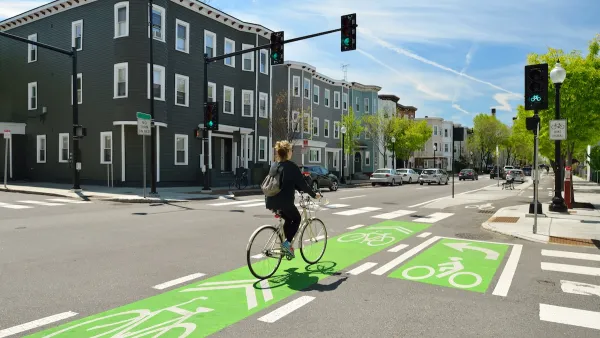
NACTO Releases Updated Urban Bikeway Guide
The third edition of the nationally recognized road design guide includes detailed design advice for roads that prioritize safety and accessibility for all users.

Planetizen Federal Action Tracker
A weekly monitor of how Trump’s orders and actions are impacting planners and planning in America.

The state-sanctioned urbicide of Austin
People don’t kill cities. Freeways do.

US to reduce Colorado River water deliveries to Mexico
A new Colorado Treaty amendment reduces Mexico’s Colorado River water allocation by 250,000 acre feet.

Mamdani overhauls NYC's Vision Zero plan with 100 new policy goals
The overhaul aims to reduce traffic deaths and make streets safer for pedestrians, cyclists and drivers through lower speed limits, new safety infrastructure and more.

Amtrak not solely to blame for New Jersey commuter rail's unreliability, report finds
A new study from the Garden State Initiative found that NJ Transit’s budget grew 20% across a 4 year period, but reliability declined significantly over the same period.

EPA erases limits on planet-warming pollution from power plants
Under Monday’s plan, power plants would still have some limits on how much mercury, arsenic and other contaminants they can emit.

FREE Course: Walkable City 1: Why Walkability?
After describing his path towards focusing on walkability as the essence of good planning, Jeff Speck marches through his five principal reasons for making more walkable places.
Reinventing Malls: Planning Alchemy—Turning Gray Fields Into Gold
The course focuses on the opportunities and imperatives that shape reinvention of mall sites.

Eagle County Government
Harvard University Graduate School of Design
Nashville Planning Department
The Architects Foundation
University of Cincinnati Online
The Pocatello Development Authority
The Urban Renewal Agency of the City of Pocatello
Journal of the American Planning Association