What could the city look like if budget and bureaucracy were no object?


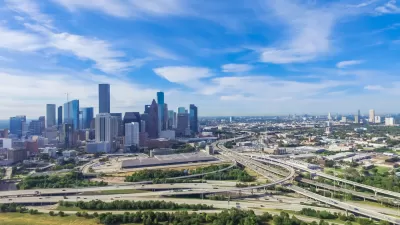
In interviews with Houston Public Media, Houston mobility advocates and residents told Michael Hagerty what changes they would make to their city’s streets if they could.
One listener suggested getting rid of freeways inside the 610 loop and replacing them with surface boulevards that offer the potential for more uses.
Another wondered whether elevating roadways could prevent further road expansions. One listener wants to replace a local highway with a high-speed rail system complete with rail and bus connections to other destinations.
Some respondents criticized traffic calming measures, expressing the common concern that they negatively impact local businesses (bike lanes and other road safety infrastructure have been shown to be good for business). One listener called for adding a left turn lane and banning right turns on red on West Dallas Street to improve pedestrian safety.
Ultimately, it seems that Houston residents have opinions on their roadways — and many of them want to see safety improvements, pedestrian and bike infrastructure, and more transit options.
FULL STORY: If you could wave a wand and redesign a Houston road, what would you change and why?

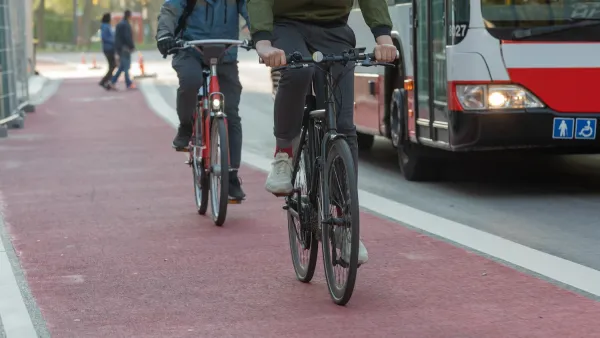
Understanding Road Diets
An explainer from Momentum highlights the advantages of reducing vehicle lanes in favor of more bike, transit, and pedestrian infrastructure.
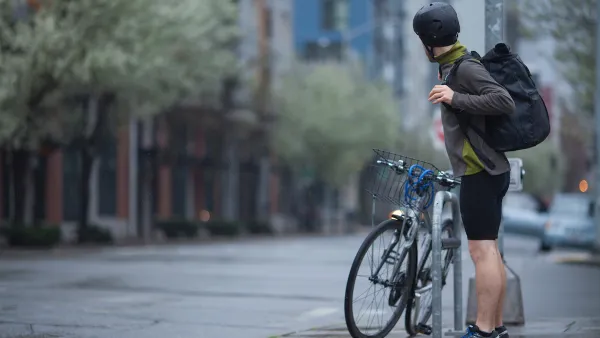
Seattle Mobility Advocates Say City Should Triple Transportation Levy
A measure set to go before voters in November will fund road safety and mobility projects, but advocates say a much bigger investment is required to meet the city’s needs.
Multimodal Improvements Coming to Houston
The city is continuing its investment in safety and accessibility improvements for transit riders, pedestrians, and cyclists.

The state-sanctioned urbicide of Austin
People don’t kill cities. Freeways do.

US to reduce Colorado River water deliveries to Mexico
A new Colorado Treaty amendment reduces Mexico’s Colorado River water allocation by 250,000 acre feet.

New Jersey’s second-largest city bans standalone data centers
Jersey City will continue to allow co-location facilities, such as those meant for research institutions that store their own data.

Amtrak not solely to blame for New Jersey commuter rail's unreliability, report finds
A new study from the Garden State Initiative found that NJ Transit’s budget grew 20% across a 4 year period, but reliability declined significantly over the same period.

EPA erases limits on planet-warming pollution from power plants
Under Monday’s plan, power plants would still have some limits on how much mercury, arsenic and other contaminants they can emit.

Phoenix announces new on-demand transit service, more frequent RAPID buses
Both new services will launch in October, and are part of Phoenix's Project Effective Access Solutions for Easing Congestion.

FREE Course: Walkable City 1: Why Walkability?
After describing his path towards focusing on walkability as the essence of good planning, Jeff Speck marches through his five principal reasons for making more walkable places.
Reinventing Malls: Planning Alchemy—Turning Gray Fields Into Gold
The course focuses on the opportunities and imperatives that shape reinvention of mall sites.

Eagle County Government
Harvard University Graduate School of Design
Nashville Planning Department
The Architects Foundation
University of Cincinnati Online
The Pocatello Development Authority
The Urban Renewal Agency of the City of Pocatello
Journal of the American Planning Association