The city is continuing its investment in safety and accessibility improvements for transit riders, pedestrians, and cyclists.


Writing for Houston Public Media, Adam Zuvanich outlines the city of Houston’s efforts to build better bike and pedestrian infrastructure and improve its public transit. The city has built 400 miles of bike lanes since passing its bike plan in 2017, and is expanding and improving its bus services and facilities. Zuvanich lists major projects in the works, including safety improvements on North Main Street and new bike lanes in Third Ward, among others.
While the Texas Department of Transportation (TxDOT) continues to widen freeways in the region, there are many ongoing projects involving the city, Harris County, Metropolitan Transit Authority of Harris County (METRO) and Houston Parks Board that are expanding transportation options for residents in the interests of access and equity, safety, economic growth and mitigating the impacts of climate change.
Improvements to Metro stations will include new and expanded crosswalks, accessibility ramps, and bus shelters. “As of last year, METRO also had improved about 2,500 of its 9,000 bus stops through its universal accessibility program, to make its services more accessible for Houstonians with disabilities.”
Gabe Cazares, executive director of LINK Houston, says he knows the changes won’t happen overnight. “That's why organizations like ours exist, to continue pushing every level of government to ensure they are protecting the interests of all people, not just vehicle owners.”
FULL STORY: How Houston will continue expanding transportation options in 2023

California Governor Signs Complete Streets Bill Into Law
The state’s transportation agency will be required to prioritize multimodal transportation infrastructure and improve transparency.
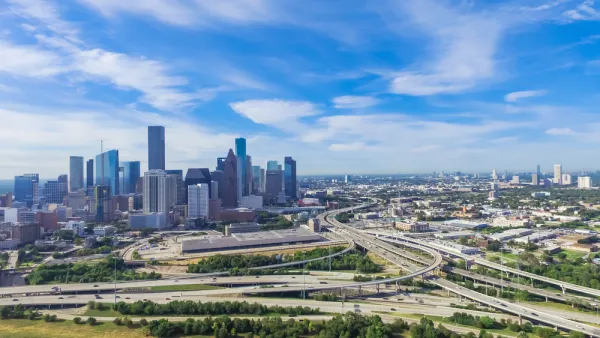
Houston Residents Respond to Mobility Questions
What could the city look like if budget and bureaucracy were no object?
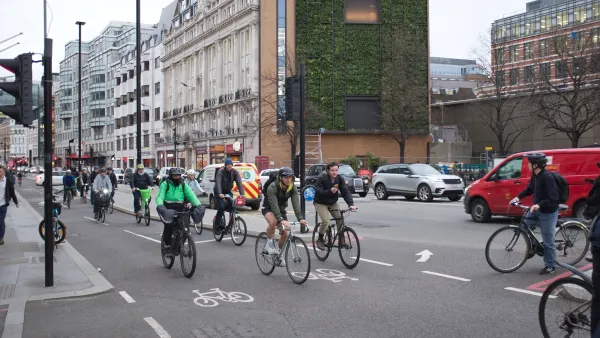
Study: Induced Demand Works for Bikes and Transit, too
If you build it — bike infrastructure, bus lanes, and sidewalks, that is — they will come.

The state-sanctioned urbicide of Austin
People don’t kill cities. Freeways do.

US to reduce Colorado River water deliveries to Mexico
A new Colorado Treaty amendment reduces Mexico’s Colorado River water allocation by 250,000 acre feet.

New Jersey’s second-largest city bans standalone data centers
Jersey City will continue to allow co-location facilities, such as those meant for research institutions that store their own data.

Amtrak not solely to blame for New Jersey commuter rail's unreliability, report finds
A new study from the Garden State Initiative found that NJ Transit’s budget grew 20% across a 4 year period, but reliability declined significantly over the same period.

EPA erases limits on planet-warming pollution from power plants
Under Monday’s plan, power plants would still have some limits on how much mercury, arsenic and other contaminants they can emit.

Phoenix announces new on-demand transit service, more frequent RAPID buses
Both new services will launch in October, and are part of Phoenix's Project Effective Access Solutions for Easing Congestion.

FREE Course: Walkable City 1: Why Walkability?
After describing his path towards focusing on walkability as the essence of good planning, Jeff Speck marches through his five principal reasons for making more walkable places.
Reinventing Malls: Planning Alchemy—Turning Gray Fields Into Gold
The course focuses on the opportunities and imperatives that shape reinvention of mall sites.

Eagle County Government
Harvard University Graduate School of Design
Nashville Planning Department
The Architects Foundation
University of Cincinnati Online
The Pocatello Development Authority
The Urban Renewal Agency of the City of Pocatello
Journal of the American Planning Association