Chicago Mayor Rahm Emanuel made a surprise announcement this week that he would not seek a third term in office.


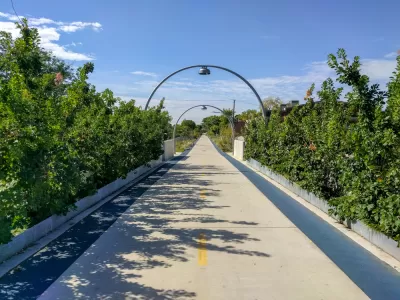
John Greenfield followed the "bombshell" announcement that Chicago Mayor Rahm Emanuel would not seek re-election with a post counting his administration's accomplishments in the realm of sustainable transportation and traffic safety.
Setting aside the other controversial aspects of Mayor Emanuel's time in office, Greenfield focuses on the list of accomplishments toward improving transit, bike, and pedestrian facilities around the city.
While the list is laudable, there's reason to critique Mayor Emanuel's work as well. Greenfield explains:
But as transportation analyst Yonah Freemark noted in a Twitter thread earlier today, Emanuel was also guilty of some failures and missed opportunities when it comes to improving Chicago transportation. Freemark argued that the mayor abandoned planning studies like the one to improve Museum Campus transit, and eventually slowed the pace of bike and pedestrian improvements. He also noted that the O’Hare express project, which was awarded to the increasingly erratic tech mogul Elon Musk, has been a major distraction, and that the mayor gave up on making some important improvements to bus service that could have helped reverse the declining bus ridership trend…
Greenfield concludes the article by speculating on the positions that candidates to replace Emanuel should focus on to present a robust sustainable transportation platform.
Meanwhile, in a separate article by Mark Brown, Mayor Emanuel shares his to-do list before leaving office. Notably, Mayor Emanuel's remaining goals include completing the Lakefront biking and running paths, picking an architect for the new international terminal at O'Hare, and completing a contract for a new train linking downtown to the airport.
For a review that focuses less on transportation and more on the history of development and planning during Mayor Emanual's tenure, see an article by Jay Koziarz.
FULL STORY: What Rahm Got Right About Transportation, and What Still Needs to Change

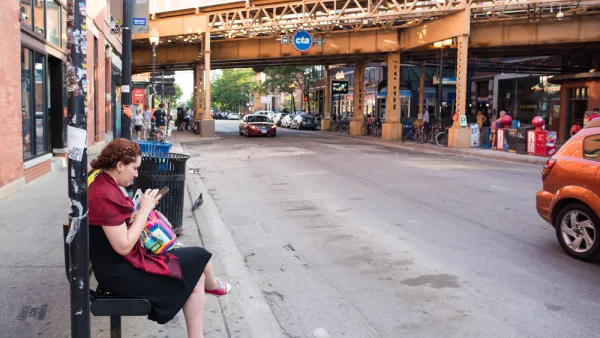
One Big Step Forward, One Small Step Back for Chicago Red Line Extension
A big approval and a significant delay—but otherwise 2020 has been a positive year for plans to extend the Chicago Transit Authority's Red Line by 5.6 miles to the south.
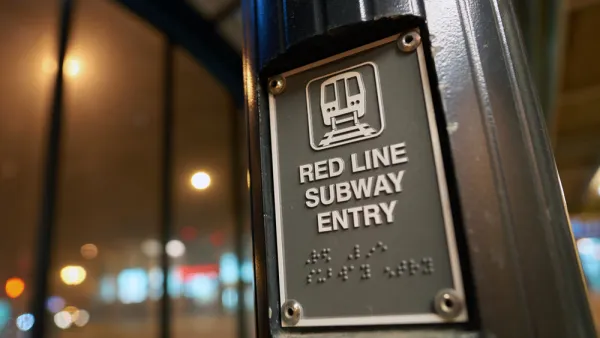
Red Line Extension to Chicago's Far South Side Making Steady Progress
A transit extension envisioned since the 1950s is this year making steady, tangible progress in the Windy City.

Another New Commuter Rail Station for Chicago's South Side Transit Deserts
A South Side Chicago neighborhood with a history of neglect and disinvestment will soon be adding a new train station on the regional commuter system.

Planetizen Federal Action Tracker
A weekly monitor of how Trump’s orders and actions are impacting planners and planning in America.

The state-sanctioned urbicide of Austin
People don’t kill cities. Freeways do.

US to reduce Colorado River water deliveries to Mexico
A new Colorado Treaty amendment reduces Mexico’s Colorado River water allocation by 250,000 acre feet.

5 New England states march closer to 800 megawatt wind energy project
Securing federal approval for the project may be complicated under the Trump administration, which has historically been hostile towards domestic wind power.

Baltimore to break ground on $50 million Transit Priority Project
The project will bring faster bus trips, safer streets and better bike connections to Baltimore.

Airbnb launches $250 million 'last-dollar financing' housing accelerator, makes first investment in Austin
The company will put $6.4 million towards affordable housing development in Texas’ capital.

FREE Course: Walkable City 1: Why Walkability?
After describing his path towards focusing on walkability as the essence of good planning, Jeff Speck marches through his five principal reasons for making more walkable places.
Reinventing Malls: Planning Alchemy—Turning Gray Fields Into Gold
The course focuses on the opportunities and imperatives that shape reinvention of mall sites.

Eagle County Government
Harvard University Graduate School of Design
Nashville Planning Department
The Architects Foundation
University of Cincinnati Online
The Pocatello Development Authority
The Urban Renewal Agency of the City of Pocatello
Journal of the American Planning Association