A transit extension envisioned since the 1950s is this year making steady, tangible progress in the Windy City.


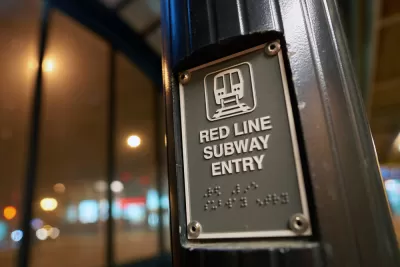
The Chicago Transit Authority's (CTA) Red Line extension to the Far South Side of Chicago is steadily moving toward reality.
An article by Nick Blumberg updates the status of the project, which is expected to enter a key development phase soon.
"In 2018, the CTA released its preferred plan for the location of the tracks and stations," writes Blumberg. "The extension would run largely alongside an existing Union Pacific rail line, with stations at 103rd Street, 111th Street, Michigan Avenue at 115th Street and 130th Street, better connecting the communities along the 5.6-mile stretch to the CTA’s network."
The CTA is underway with the project development phase, which is scheduled to take two years. "At the end of those two years, the CTA will have to have to finish 30% of the design and have identified about 30% of the funding that isn’t coming from the federal government," according to Blumberg. If the CTA keeps the work on schedule, the agency will be eligible to seek funding for the project from the federal government.
Already this year, the CTA "awarded a $38 million contract for preliminary engineering work and a final report on the extension’s environmental impact, key pieces needed to move the project forward," reports Blumberg.
The article includes a lot of detail about the numerous planning considerations in play with the new extension, like spurring transit oriented development, preventing displacement of existing communities, and maximizing the potential of the line to benefit the residents of the Far South Side, who have seen decades of disinvestment while dealing with some of the longest travel times in the city.
FULL STORY: CTA Hopes to Start Next Phase of Red Line Extension Planning ‘Very Soon’

One Big Step Forward, One Small Step Back for Chicago Red Line Extension
A big approval and a significant delay—but otherwise 2020 has been a positive year for plans to extend the Chicago Transit Authority's Red Line by 5.6 miles to the south.
$2 Billion Federal Grant for Red Line Extension Project to Chicago’s South Side
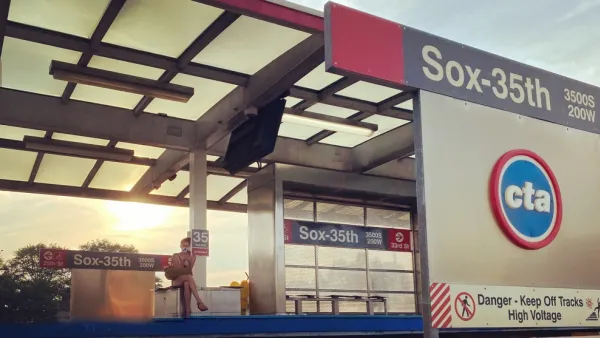
A plan to extend the Chicago Transit Authority (CTA) Red Line 5.6 miles to the south won a $2 billion grant from the federal government.
Update: Chicago Red Line Extension TIF Approved
The long-anticipated project that will bring the Chicago Transit Authority rail system into transit deserts on the Southside of Chicago is making substantial progress.

The state-sanctioned urbicide of Austin
People don’t kill cities. Freeways do.

US to reduce Colorado River water deliveries to Mexico
A new Colorado Treaty amendment reduces Mexico’s Colorado River water allocation by 250,000 acre feet.

New Jersey’s second-largest city bans standalone data centers
Jersey City will continue to allow co-location facilities, such as those meant for research institutions that store their own data.

Amtrak not solely to blame for New Jersey commuter rail's unreliability, report finds
A new study from the Garden State Initiative found that NJ Transit’s budget grew 20% across a 4 year period, but reliability declined significantly over the same period.

EPA erases limits on planet-warming pollution from power plants
Under Monday’s plan, power plants would still have some limits on how much mercury, arsenic and other contaminants they can emit.

Phoenix announces new on-demand transit service, more frequent RAPID buses
Both new services will launch in October, and are part of Phoenix's Project Effective Access Solutions for Easing Congestion.

FREE Course: Walkable City 1: Why Walkability?
After describing his path towards focusing on walkability as the essence of good planning, Jeff Speck marches through his five principal reasons for making more walkable places.
Reinventing Malls: Planning Alchemy—Turning Gray Fields Into Gold
The course focuses on the opportunities and imperatives that shape reinvention of mall sites.

Eagle County Government
Harvard University Graduate School of Design
Nashville Planning Department
The Architects Foundation
University of Cincinnati Online
The Pocatello Development Authority
The Urban Renewal Agency of the City of Pocatello
Journal of the American Planning Association