The city is calling for public input to develop strategies for reducing traffic deaths and making Las Vegas safer for all road users.


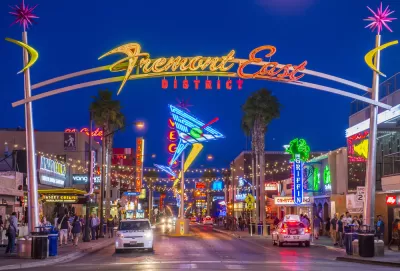
Las Vegas has set a goal to eliminate traffic deaths and severe injuries by 2050, according to an article by KTNV staff. The city is developing a Vision Zero initiative that will guide the implementation of policies to improve road safety.
The city’s website calls the plan “a collaborative effort to create safe, healthy and equitable mobility for all” and encourages residents to complete a public feedback survey. “According to a news release, Vision Zero will be a collaboration between the city of Las Vegas, local law enforcement and the Regional Transportation Commission of Southern Nevada, among other groups.”
With traffic fatalities on the rise, cities around the country are using Vision Zero as shorthand for pledging to improve traffic safety, but, as David Zipper points out in an April piece, varying degrees of political will and resources devoted to meaningful changes and infrastructure improvements have led to mixed results.
FULL STORY: City of Las Vegas introduces 'Vision Zero' initiative to eliminate traffic-related fatalities

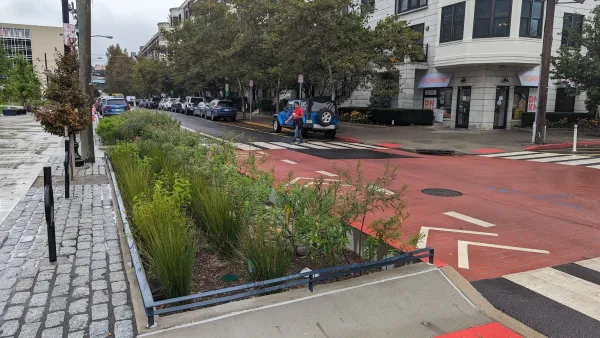
Hoboken's $20 Vision Zero fix
The New Jersey city eliminated traffic deaths for the last nine years in a row.
Pedestrian Deaths Fell by Largest Percentage in 15 Years, but Remain Above Pre-Pandemic Levels
After a spike in deaths during the Covid-19 years, road deaths fell to 3,024 in the first half of 2025.
Nevada’s Highway Safety Plan Targets 35% Drop in Traffic Deaths by 2035
The 2026-2030 plan aims to reduce deaths and serious injuries with a long-term goal of eliminating traffic deaths by 2050.

Planetizen Federal Action Tracker
A weekly monitor of how Trump’s orders and actions are impacting planners and planning in America.

The state-sanctioned urbicide of Austin
People don’t kill cities. Freeways do.

US to reduce Colorado River water deliveries to Mexico
A new Colorado Treaty amendment reduces Mexico’s Colorado River water allocation by 250,000 acre feet.

5 New England states march closer to 800 megawatt wind energy project
Securing federal approval for the project may be complicated under the Trump administration, which has historically been hostile towards domestic wind power.

Baltimore to break ground on $50 million Transit Priority Project
The project will bring faster bus trips, safer streets and better bike connections to Baltimore.

Airbnb launches $250 million 'last-dollar financing' housing accelerator, makes first investment in Austin
The company will put $6.4 million towards affordable housing development in Texas’ capital.

FREE Course: Walkable City 1: Why Walkability?
After describing his path towards focusing on walkability as the essence of good planning, Jeff Speck marches through his five principal reasons for making more walkable places.
Reinventing Malls: Planning Alchemy—Turning Gray Fields Into Gold
The course focuses on the opportunities and imperatives that shape reinvention of mall sites.

Eagle County Government
Harvard University Graduate School of Design
Nashville Planning Department
The Architects Foundation
University of Cincinnati Online
The Pocatello Development Authority
The Urban Renewal Agency of the City of Pocatello
Journal of the American Planning Association