MARTA's light rail project could cost more than twice original estimates, prompting the agency to weigh different routes and the potential for bus rapid transit as an alternative to rail.



An engineering study released by the Metropolitan Atlanta Rapid Transit Authority (MARTA) reveals that the cost estimate for a proposed 3-mile rail segment could cost more than twice the original estimate, reports David Wickert for the Atlanta Journal-Constitution. "The cost of building 3 miles of rail from Ponce City Market to MARTA’s Lindbergh station on the northeast side of Atlanta would cost an estimated $286.5 million to $448.2 million, depending on the route," writes Wickert, summarizing the study's findings.
"The study found several feasible routes for light rail north and south of the market. But the cost estimates may make light rail on the Beltline too expensive to compete successfully for crucial federal funding, said Manjeet Ranu, MARTA’s chief of capital programs."
Rail on Campbellton Road is already in doubt. Earlier this month, MARTA announced it would recommend bus rapid transit for the Campbellton corridor, citing its relatively low cost and quick construction timetable. The proposal has sparked a backlash from some southwest Atlanta residents, who say they were promised rail.
"In an interview, MARTA’s Ranu said the higher costs are a function of more detailed information obtained in the latest study, including the cost of specific bridges, buildings and other facilities," writes Wickert.
MARTA plans on studying the potential light rail route, and its alternative alignments, over the next two years. The MARTA board and Atlanta elected officials will make the final decision about whether to build the light rail route or instead choose another form of public transit, such as bus rapid transit.
The article includes details of the progress on the More MARTA plan, which calls for $2.7 billion in transit investments funded by a half-cent sales tax approved by voters in 2016. Planetizen reported in 2018 that MARTA had rearranged some of the project funding approved for the plan.
FULL STORY: Study: Cost of Atlanta Beltline rail segment could be twice original estimate

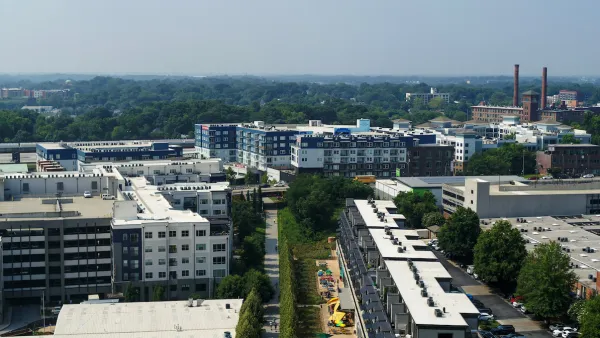
New Study Commissioned for Atlanta BeltLine Transit
The study will assess alignment options for a 13-mile segment of the greenway.
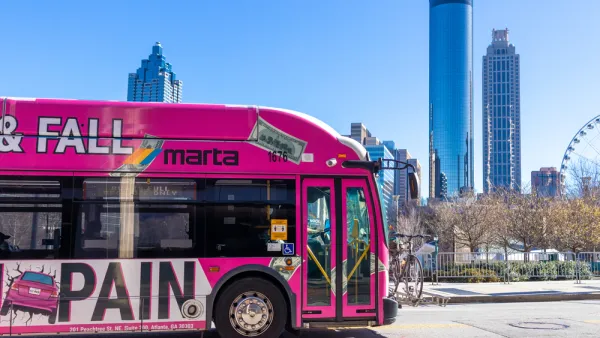
Atlanta Proposed Rail Line to Become Bus Rapid Transit
MARTA officials argue that bus rapid transit will be faster and more cost-effective than the originally proposed light rail option.
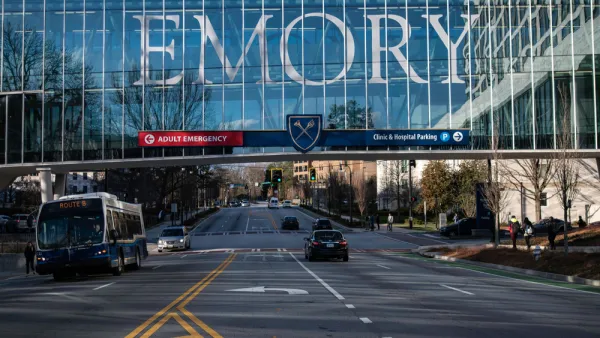
MARTA Narrows Clifton Corridor Transit Line to Three Options
The agency has selected three potential plans for building a light rail or bus rapid transit line that would serve Emory University and other major employment and commercial hubs.

Planetizen Federal Action Tracker
A weekly monitor of how Trump’s orders and actions are impacting planners and planning in America.

The state-sanctioned urbicide of Austin
People don’t kill cities. Freeways do.

US to reduce Colorado River water deliveries to Mexico
A new Colorado Treaty amendment reduces Mexico’s Colorado River water allocation by 250,000 acre feet.

5 New England states march closer to 800 megawatt wind energy project
Securing federal approval for the project may be complicated under the Trump administration, which has historically been hostile towards domestic wind power.

Baltimore to break ground on $50 million Transit Priority Project
The project will bring faster bus trips, safer streets and better bike connections to Baltimore.

Airbnb launches $250 million 'last-dollar financing' housing accelerator, makes first investment in Austin
The company will put $6.4 million towards affordable housing development in Texas’ capital.

FREE Course: Walkable City 1: Why Walkability?
After describing his path towards focusing on walkability as the essence of good planning, Jeff Speck marches through his five principal reasons for making more walkable places.
Reinventing Malls: Planning Alchemy—Turning Gray Fields Into Gold
The course focuses on the opportunities and imperatives that shape reinvention of mall sites.

Eagle County Government
Harvard University Graduate School of Design
Nashville Planning Department
The Architects Foundation
University of Cincinnati Online
The Pocatello Development Authority
The Urban Renewal Agency of the City of Pocatello
Journal of the American Planning Association