Five myths about highways that ensure a culture of car dependence.


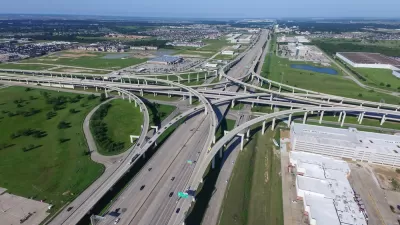
Five myths distort thinking about the role and importance of highways in American life, according to an article by David Zipper.
To open the article, Zipper speaks frankly about the role of highways in American life: "Even if you use a car to get to work — as roughly 85 percent of American commuters did before the pandemic — you might harbor some misperceptions about the pavement you drive on."
To illustrate the point, Zipper lists five myths about highways, listed below, but with more detail on each found in the source article:
- Wider highways let traffic move faster.
- Ninety-four percent of crashes are caused by human error.
- Congestion pricing hurts the poor.
- Gasoline taxes pay for highways.
- Americans love cars.
The source article is well cited to build its case for each of the myths listed above.
Read the full story: Five myths about highways
The Inflation Reduction Act's 'Inadequate' Reliance on Electric Vehicles
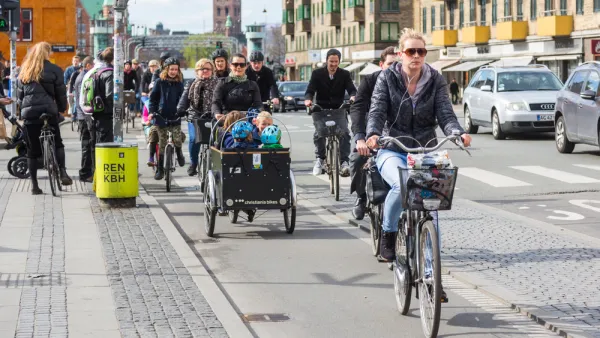
Electric vehicles can help reduce greenhouse gas emissions, but not enough to prevent the worst of climate change and not as much as walkable cities with far fewer cars on the road.
Traffic Fatalities Set Records as Pandemic-Era Road Carnage Shows No Signs of Stopping
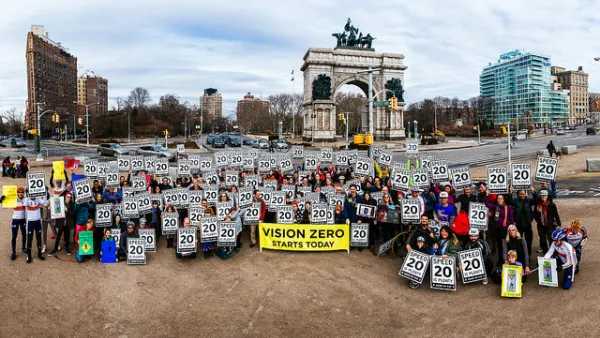
An estimated 42,915 people died in automobile crashes in 2021, according to recent federal data. The increasing fatalities continue a trend that began with the outset of the pandemic.
Planning for Congestion Relief
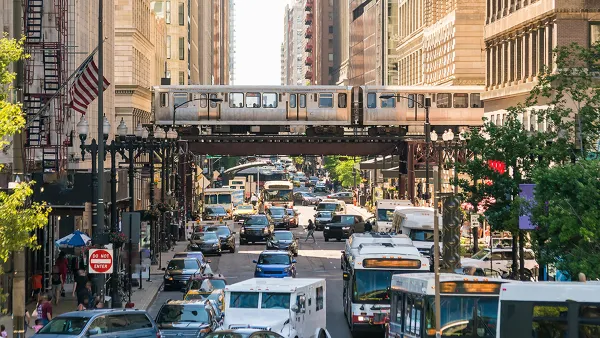
The third and final installment of Planetizen's examination of the role of the planning profession in both perpetuating and solving traffic congestion.

Planetizen Federal Action Tracker
A weekly monitor of how Trump’s orders and actions are impacting planners and planning in America.

California plans to bury El Niño’s downpour
If the state plays its cards right, it may be able to store a billion acre-feet of El Niño’s water in aquifers.

Desperate measures: Advocates weigh draining Lake Powell to fill Colorado River
Draining the reservoir could reduce evaporation losses by a couple hundred thousand acre-feet.

In Texas, data centers are swallowing promised parkland
Residents who moved to Taylor, Texas for a rural community now have to contend with three data centers in their backyard.

How a Chicago-sized wind farm beat the odds and powered on
The project spanned five presidential administrations and a standoff with a U.S. military base.

MTA gives itself 30 days to transform pit into basketball court
The site has been under construction since 2022; the city originally estimated it would finish the court in 2024.

FREE Course: Walkable City 1: Why Walkability?
After describing his path towards focusing on walkability as the essence of good planning, Jeff Speck marches through his five principal reasons for making more walkable places.
Reinventing Malls: Planning Alchemy—Turning Gray Fields Into Gold
The course focuses on the opportunities and imperatives that shape reinvention of mall sites.

City of Rosemead
Rutgers University, Edward J. Bloustein School of Planning and Public Policy
One Hundred Miles
Hunter College, City University of New York (CUNY)
The Architects Foundation
University of Cincinnati Online
City of Cambridge
Montrose County
The Pocatello Development Authority