An estimated 42,915 people died in automobile crashes in 2021, according to recent federal data. The increasing fatalities continue a trend that began with the outset of the pandemic.


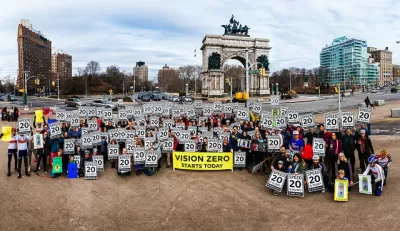
The National Highway Traffic Safety Administration (NHTSA) released its early estimates of traffic fatalities on U.S. roads in 2021, finding a big jump in traffic jumps the year after a big jump in traffic jumps.
“NHTSA projects that an estimated 42,915 people died in motor vehicle traffic crashes last year, a 10.5% increase from the 38,824 fatalities in 2020,” according to an NHTSA press release from May 17.
“The projection is the highest number of fatalities since 2005 and the largest annual percentage increase in the Fatality Analysis Reporting System’s history.”
The press release also uses the fatalities figures to remind Americans of the traffic safety programs included in the November Infrastructure Investment and Jobs Act (IIJA).
“The [IIJA] places a strong emphasis on improving safety and includes the new Safe Streets and Roads for All program, which opened its first round of applications just this week,” according to the press release. “The program, the first of its kind, invests up to $6 billion over five years to fund local efforts to reduce roadway crashes and fatalities.”
Additional IIJA traffic safety programs include the implementation of Complete Streets policies and standards, updates to the Manual on Uniform Traffic Control Devices, and increased funding for the Highway Safety Improvement Program.
More data from the report from 2021:
- 1.33 fatalities per 100 million VMT (down from 1.34 in 2020)
- Fatalities in multi-vehicle crashes up 16%
- Fatalities on urban roads up 16%
- Fatalities among drivers 65 and older up 14%
- Pedestrian fatalities up 13%
- Fatalities in crashes involving at least one large truck up 13%
- Daytime fatalities up 11%
- Motorcyclist fatalities up 9%
- Bicyclist fatalities up 5%
- Fatalities in speeding-related crashes up 5%
- Fatalities in police-reported, alcohol-involvement crashes up 5%
FULL STORY: Newly Released Estimates Show Traffic Fatalities Reached a 16-Year High in 2021

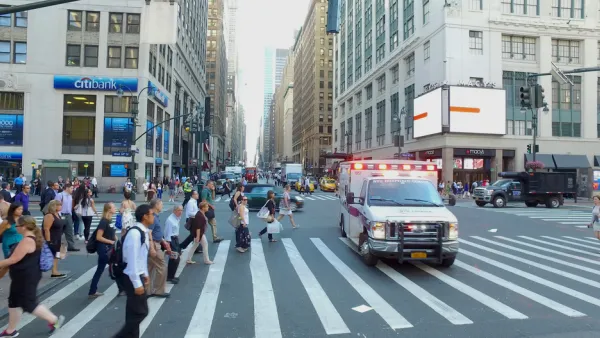
New York City Traffic Fatalities Pass 2019 Totals
The visions of a car-free utopia that might have seemed like a potential silver lining in March and April have given away to a tragic reality.

Let’s End Traffic Stops
The technology to make traffic enforcement obsolete is becoming available. But in the U.S. willing to use it?
Planning for Congestion Relief
The third and final installment of Planetizen's examination of the role of the planning profession in both perpetuating and solving traffic congestion.

Planetizen Federal Action Tracker
A weekly monitor of how Trump’s orders and actions are impacting planners and planning in America.

The state-sanctioned urbicide of Austin
People don’t kill cities. Freeways do.

US to reduce Colorado River water deliveries to Mexico
A new Colorado Treaty amendment reduces Mexico’s Colorado River water allocation by 250,000 acre feet.

Baltimore to break ground on $50 million Transit Priority Project
The project will bring faster bus trips, safer streets and better bike connections to Baltimore.

Airbnb launches $250 million 'last-dollar financing' housing accelerator, makes first investment in Austin
The company will put $6.4 million towards affordable housing development in Texas’ capital.

Guerilla urbanists are building DIY bus stop benches in Chicago
A before-and-after of one of the bus stops with a new bench. The new benches are not officially sanctioned or permitted, but the residents who placed them hope they will be the start of a network of DIY benches across the city.

FREE Course: Walkable City 1: Why Walkability?
After describing his path towards focusing on walkability as the essence of good planning, Jeff Speck marches through his five principal reasons for making more walkable places.
Reinventing Malls: Planning Alchemy—Turning Gray Fields Into Gold
The course focuses on the opportunities and imperatives that shape reinvention of mall sites.

Eagle County Government
Harvard University Graduate School of Design
Nashville Planning Department
The Architects Foundation
University of Cincinnati Online
The Pocatello Development Authority
The Urban Renewal Agency of the City of Pocatello
Journal of the American Planning Association