The deadliest transportation accident in recent years has some asking whether more can be done to regulate modified vehicles, including limos.



A Saturday limousine crash ended up killing all 18 of the vehicle's occupants, as well as two pedestrians, in what officials have called the deadliest transportation accident in the U.S. since 2009. Patrick Jarenwattananon discusses how modified and refurbished vehicles often occupy a regulatory black hole.
"A stretch SUV limousine like the one involved in the accident is often created by modifying an existing vehicle — essentially sawing it in half, then lengthening the body and refurbishing the interior [...] The National Highway Traffic Safety Administration sets standards for newly manufactured vehicles, but limos that are modified after they're off the assembly line can skirt NHTSA oversight."
But even if this accident leads to some rule changes in New York, limos operating in other states won't necessarily be affected. "Another complicating factor is that U.S. transportation regulation is overseen by a patchwork of federal and state agencies, and regulations can vary greatly among states."
FULL STORY: Fatal N.Y. Limo Crash Raises Safety Questions About 'Frankenstein' Vehicles

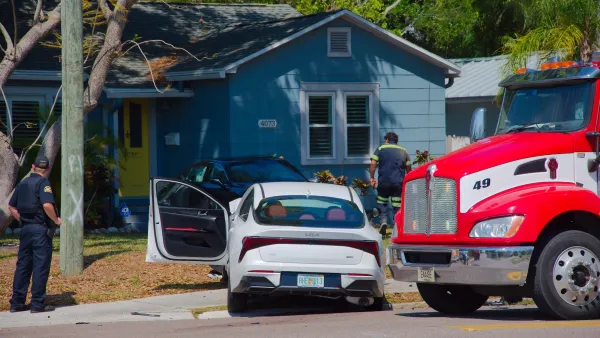
Federal road safety plan focuses on enforcement, driver behavior
A new initiative from the NHTSA calls for the increased use of tech to combat risky driving.
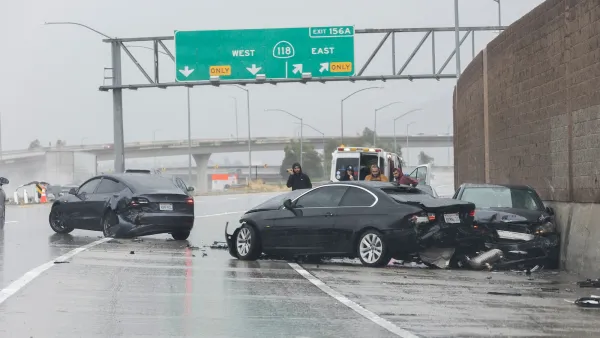
Tesla 'completely' redacts robotaxi crash reports
Reports submitted to the NHTSA also reveal differences in the types of crashes Tesla cars are involved in as opposed to its competitors.

Ted Cruz Blames Safety Features for the Rising Cost of Cars; Senate Could Roll Back Regulations
A Senate committee will hear testimony by automakers in a hearing that could determine whether autonomous emergency braking and other safety features will be mandatory on new cars.

Planetizen Federal Action Tracker
A weekly monitor of how Trump’s orders and actions are impacting planners and planning in America.

The state-sanctioned urbicide of Austin
People don’t kill cities. Freeways do.

US to reduce Colorado River water deliveries to Mexico
A new Colorado Treaty amendment reduces Mexico’s Colorado River water allocation by 250,000 acre feet.

Baltimore to break ground on $50 million Transit Priority Project
The project will bring faster bus trips, safer streets and better bike connections to Baltimore.

Airbnb launches $250 million 'last-dollar financing' housing accelerator, makes first investment in Austin
The company will put $6.4 million towards affordable housing development in Texas’ capital.

Guerilla urbanists are building DIY bus stop benches in Chicago
A before-and-after of one of the bus stops with a new bench. The new benches are not officially sanctioned or permitted, but the residents who placed them hope they will be the start of a network of DIY benches across the city.

FREE Course: Walkable City 1: Why Walkability?
After describing his path towards focusing on walkability as the essence of good planning, Jeff Speck marches through his five principal reasons for making more walkable places.
Reinventing Malls: Planning Alchemy—Turning Gray Fields Into Gold
The course focuses on the opportunities and imperatives that shape reinvention of mall sites.

Eagle County Government
Harvard University Graduate School of Design
Nashville Planning Department
The Architects Foundation
University of Cincinnati Online
The Pocatello Development Authority
The Urban Renewal Agency of the City of Pocatello
Journal of the American Planning Association