Electric-assist bikes, also known as e-bikes, will make it easier for more people to ride bikes, according to this opinion piece.


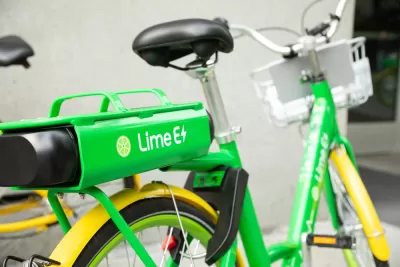
Christopher Priest writes for The Urbanist to make the case for the potential of e-bikes to broaden the population of people who bike in Seattle and around the United States.
"The e-bike manufacturers say their primarily demographic is older riders, mainly baby boomers with mobility issues," according to Proest. And e-bikes are gaining popularity, with growing sales. "The reason for this is because, as one cyclist put it, e-bikes 'flatten the city'–they remove the part about cycling that so many people dislike, the actual physical labor."
Priest makes the argument in context of the proliferation of dockless bike share bikes around the city—Lime, for instance, offers e-bikes. So some of the recent controversy over dockless bike share bikes is also a controversy about e-bikes, and the new speeds they're capable of on sidewalks and pedestrian paths.
Since Priest's opinion article was published, Seattle Parks and Recreation proposed a rule that would limit the speed of bikes, focusing mostly on e-bikes, reports Stephen Fesler.
FULL STORY: How Electric-Assist Bikes Will Make More People Ride

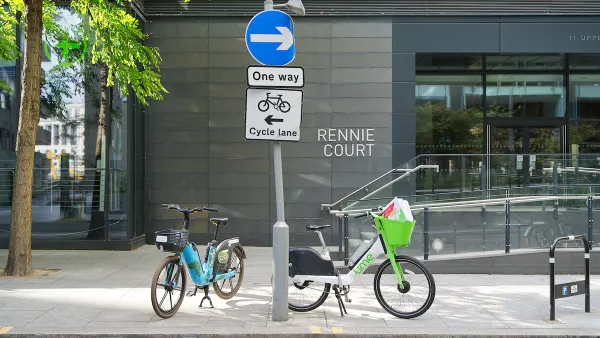
Dockless Bikes Seized as City of London Cracks Down on Parking
Lime and Forest paid £25,000 in fines to retrieve their property and are negotiating solutions with transportation authorities.
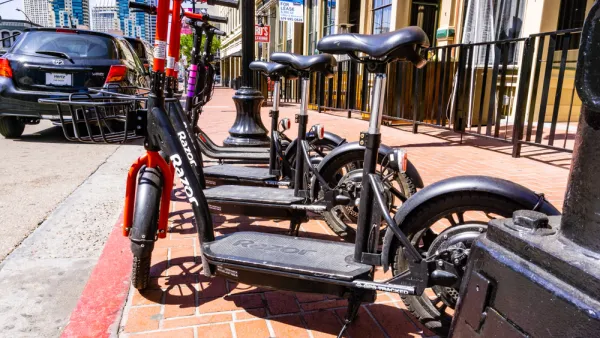
Electric Bikes and Scooters Legalized in New York City
The City Council has legalized electric scooters and bikes. A citywide shared electric scooter pilot program is expected by early 2021.
NACTO Releases Updated Guidelines for Shared Micromobility
The National Association of City Transportation Officials (NACTO) is providing guidance for cities struggling to reckon with the sudden evolution of transportation modes in urban areas.

Planetizen Federal Action Tracker
A weekly monitor of how Trump’s orders and actions are impacting planners and planning in America.

The state-sanctioned urbicide of Austin
People don’t kill cities. Freeways do.

US to reduce Colorado River water deliveries to Mexico
A new Colorado Treaty amendment reduces Mexico’s Colorado River water allocation by 250,000 acre feet.

Baltimore to break ground on $50 million Transit Priority Project
The project will bring faster bus trips, safer streets and better bike connections to Baltimore.

Airbnb launches $250 million 'last-dollar financing' housing accelerator, makes first investment in Austin
The company will put $6.4 million towards affordable housing development in Texas’ capital.

Guerilla urbanists are building DIY bus stop benches in Chicago
A before-and-after of one of the bus stops with a new bench. The new benches are not officially sanctioned or permitted, but the residents who placed them hope they will be the start of a network of DIY benches across the city.

FREE Course: Walkable City 1: Why Walkability?
After describing his path towards focusing on walkability as the essence of good planning, Jeff Speck marches through his five principal reasons for making more walkable places.
Reinventing Malls: Planning Alchemy—Turning Gray Fields Into Gold
The course focuses on the opportunities and imperatives that shape reinvention of mall sites.

Eagle County Government
Harvard University Graduate School of Design
Nashville Planning Department
The Architects Foundation
University of Cincinnati Online
The Pocatello Development Authority
The Urban Renewal Agency of the City of Pocatello
Journal of the American Planning Association