The City Council has legalized electric scooters and bikes. A citywide shared electric scooter pilot program is expected by early 2021.


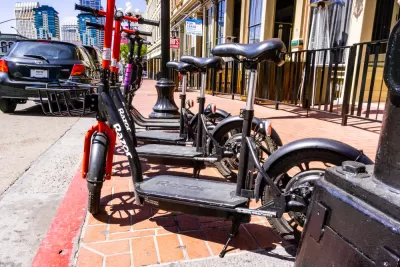
The New York City Council voted last week to legalize the use of electric scooters and bikes all over the city.
"The move is being hailed as win [sic] for delivery workers who have relied on electric vehicles to do their jobs for years, often risking big fines in the process," according to an article published by PIX 11. "But transportation and technology experts agree that right now all New Yorkers will benefit from allowing these vehicles on the streets."
A separate article by Kirsten Korosec reports on some of the changes the vote will precipitate, like a share electric scooter sharing program. "The proposed legislation would require the DOT to issue by October 15, 2020 a request for proposals to participate in a shared e-scooter pilot program," writes Korosec. "The pilot program would need to launch by March 1, 2021."
Representatives from Lime and Bird are quoted in the article offering insight into the expectations for the effect of adding New York City to the micromobility market at a troubled time for the industry.
In legalizing these electric micromobility modes, the City Council effectively rebukes Mayor de Blasio, who has fought to limit the use of electric modes, especially for delivery workers, throughout his tenure.
FULL STORY: NYC Council legalizes e-bikes, e-scooters

Pilot Bike and Scooter Share Program Inspires Protest in Santa Monica
Bird and Lime launched their "Day Without A Scooter" protest this week.
NYC e-bike injury study highlights 'critical infrastructure deficiencies'
The sharp rise in e-mobility injuries points to a need for safer roads, not more punitive laws.
Study: Delivery Workers Are the Safest Cyclists on NYC Roads
A new study shows that delivery workers are more likely to stop at red lights and obey traffic rules than recreational or commuter riders.

Planetizen Federal Action Tracker
A weekly monitor of how Trump’s orders and actions are impacting planners and planning in America.

The state-sanctioned urbicide of Austin
People don’t kill cities. Freeways do.

US to reduce Colorado River water deliveries to Mexico
A new Colorado Treaty amendment reduces Mexico’s Colorado River water allocation by 250,000 acre feet.

Baltimore to break ground on $50 million Transit Priority Project
The project will bring faster bus trips, safer streets and better bike connections to Baltimore.

Airbnb launches $250 million 'last-dollar financing' housing accelerator, makes first investment in Austin
The company will put $6.4 million towards affordable housing development in Texas’ capital.

Guerilla urbanists are building DIY bus stop benches in Chicago
A before-and-after of one of the bus stops with a new bench. The new benches are not officially sanctioned or permitted, but the residents who placed them hope they will be the start of a network of DIY benches across the city.

FREE Course: Walkable City 1: Why Walkability?
After describing his path towards focusing on walkability as the essence of good planning, Jeff Speck marches through his five principal reasons for making more walkable places.
Reinventing Malls: Planning Alchemy—Turning Gray Fields Into Gold
The course focuses on the opportunities and imperatives that shape reinvention of mall sites.

Eagle County Government
Harvard University Graduate School of Design
Nashville Planning Department
The Architects Foundation
University of Cincinnati Online
The Pocatello Development Authority
The Urban Renewal Agency of the City of Pocatello
Journal of the American Planning Association