United States
Solving for Pattern: What Urbanists Can Learn from Wendell Berry
Our typical images of the city often fail us. What we need is a new one that best captures the complexity and beauty of urban life.
New Study Underway: Do Ride-Hailing Services Reduce Car Ownership?
The University of California, Berkeley and NRDC will team-up to verify whether Uber and Lyft reduce car ownership and are thus good for the environment. Such data already exists for a sister form of shared mobility: car-share.
Melting Pots and Shrinking Islands
Brooklyn-based artist Ekene Ijeoma newest piece shows what parts of New York City are affordable to different people across the spectrum of salaries in the form of crystalline islands called "wage islands."
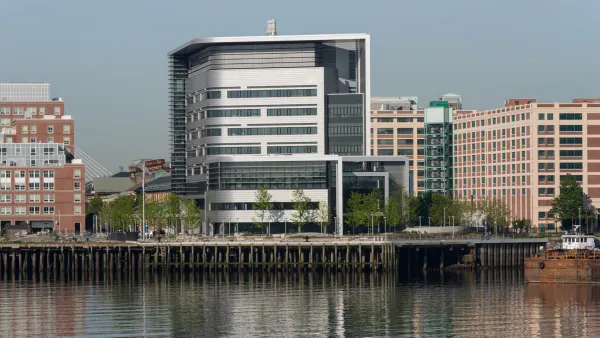
Building for Resilience Makes (Good Business) Sense
The Urban Land Institute (ULI) is showing developers how resilience can benefit the bottom line in the "Returns on Resilience" report. Sarene Marshall, director of the ULI Center for Sustainability, offers insight into the report's examples.
Critics Find Diversity Setbacks in New Planning Accreditation Board Standards
The Planning Accreditation Board, the body tasked with the accreditation process of planning programs at both the graduate and undergraduate level, will update its standards over the next month.

Guidebook: Lowering Barriers to Urban Farming
Urban agriculture has long been a staple of sustainable urbanism—in theory. Can policy changes help it become much more than that? This guidebook offers tactics and policies that planners can use to promote urban farms.
The Time the Google Self-Driving Car Got Pulled Over for Driving Too Slowly
Google's response to its self-driving car getting pulled over by police in California: " "Driving too slowly? Bet humans don't get pulled over for that too often."
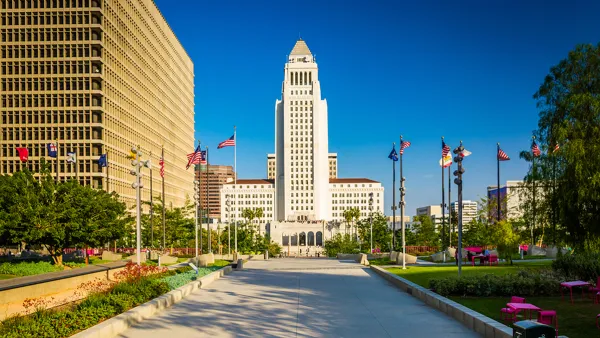
Op-Ed: Over-Regulation Makes Public Spaces Exclusionary
A pointed editorial decries the over-regulation that has followed the renaissance of public spaces in Los Angeles.
Morro Bay Could be Home to West Coast's First Offshore Wind Farm
If a Seattle company gets its way, in a few years there will be 100 floating wind turbines about 15 miles off San Luis Obispo County on the central California coast, generating about 1 gigawatt of electricity.
13 Million Acres at Stake in Timber Company Merger
Two timber companies announced a merger that will take effect in 2016, combining land holdings that reach nearly every corner of the country.
Feds Release New 'Transportation and Health Tool'
A new tool from the U.S. Department of Transportation and the Centers for Disease Control allows comparisons between state or metropolitan area on transportation and public health indicators.
New Corporation Formed to Replace Amtrak's Hudson River Rail Tunnels
The Gateway Development Corporation will be formed by Amtrak, the U.S. Department of Transportation, New York, and New Jersey to replace the deteriorating 105-year-old Hudson River rail tunnels, a vital project that could cost $20 billion.
The Reality of Neighborhood Change: Planners Should Worry About Decline
City living is back. After half a century of relentless population decline and several false starts at revitalization, residential investment in America's urban centers began to pick up in the mid-1990s.
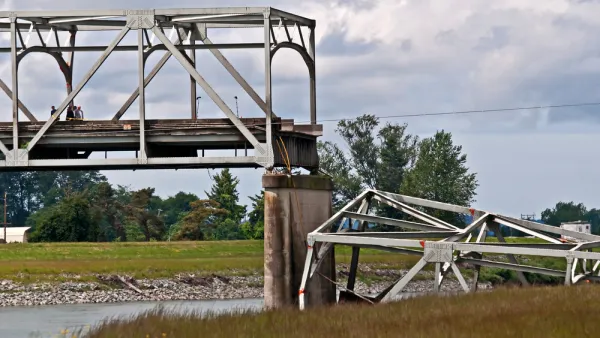
The Deadly Costs of Failing Infrastructure
Failing infrastructure is a life and death matter. Decaying roads, bridges, dam, pipelines, water delivery, and railroads lacking safety controls are responsible for the loss of thousands of lives annually, on top of illnesses and injuries.
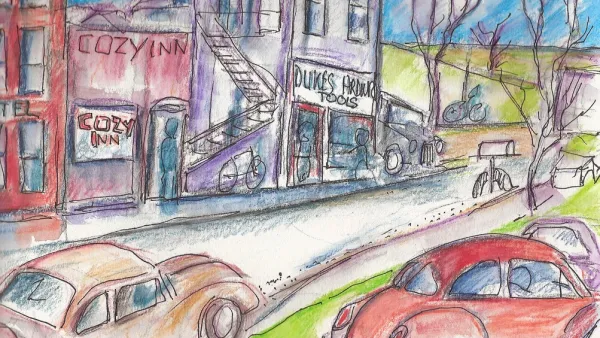
Are Small Towns the Next Arts Districts?
As rising costs expel artists from urban cores, some small towns are positioning themselves as unlikely magnets for creative expression.
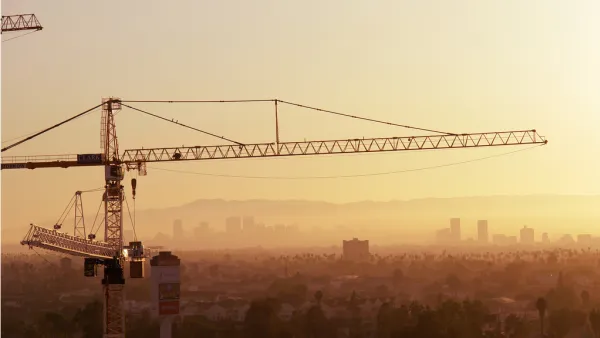
Are Land Use Policies Mostly Hurting the Poor?
In a new paper, researchers find that land use regulations in cities have effectively created a "zoning tax," which primarily impacts the poor and renting class.
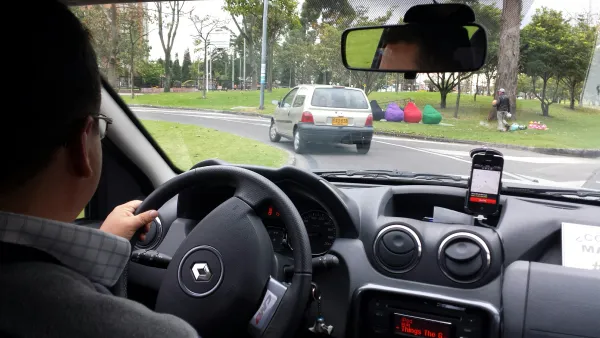
The Ride-Share Revolution
"If the 20th century was devoted to building the infrastructure to service the personal automobile, then perhaps the 21st century will be devoted to undoing most of it."
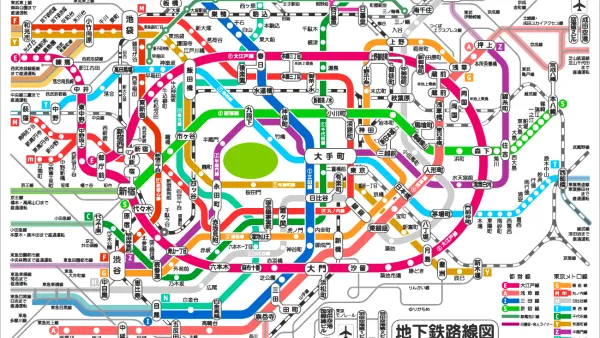
Asian Subways Are the Busiest
Rankings from the International Association of Public Transport have Tokyo on top, followed by Beijing and Shanghai. New York comes in seventh.

Researchers Finding Evidence of the Negative Impacts of Trees in Urban Settings
More and more evidence has emerged in recent years about the many benefits of trees in urban environments. Every now and then, however, a study finds evidence that tress might not always be as benevolent as they seem.

Can Climate Change be Addressed by Halting Drilling on Federal Lands?
A production-side approach to tackling climate change is the basis of new legislation by Sen. Jeff Merkley (D-Ore.). The "Keep it in the Ground Act" would prevent new drilling for any fossil fuel on federal lands or renewal of nonproductive leases.

FREE Course: Walkable City 1: Why Walkability?
After describing his path towards focusing on walkability as the essence of good planning, Jeff Speck marches through his five principal reasons for making more walkable places.
Reinventing Malls: Planning Alchemy—Turning Gray Fields Into Gold
The course focuses on the opportunities and imperatives that shape reinvention of mall sites.

One Hundred Miles
County of Mendocino
planning NEXT
The Architects Foundation
University of Cincinnati Online
Montrose County
Northern Illinois Transit Authority (NITA)
The Pocatello Development Authority









