Fatalities declined by 4 percent in 2024, but the U.S. is still nowhere close to ‘Vision Zero.’


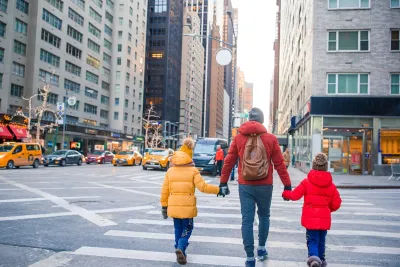
Pedestrian deaths dropped by 4.3 percent in 2024, reversing a troubling trend, but that number is still almost twice what it was in 2009.
As Matthew Sage reports in Streetsblog USA, preliminary data from the Governors Highway Safety Association shows that 7,737 pedestrians were killed on roadways last year. “The rise in pedestrian fatality rates has been disproportionate to their motorized counterparts, increasing from around 12 percent in 2019 to now almost a fifth of all traffic-related deaths.”
Larger trucks and SUVs, which now make up 80 percent of U.S. vehicle sales, are killing more pedestrians, and hit-and-runs are increasing. “According to the GHSA, drivers flee the scene in about a quarter of pedestrian fatalities nationwide.”
The report recommends a comprehensive approach to improving road safety that includes safer infrastructure, education for road users, and improved enforcement and vehicle technology that focus on safety.
FULL STORY: New Report Shows Pedestrian Fatalities Drop — But Experts Say Not Enough

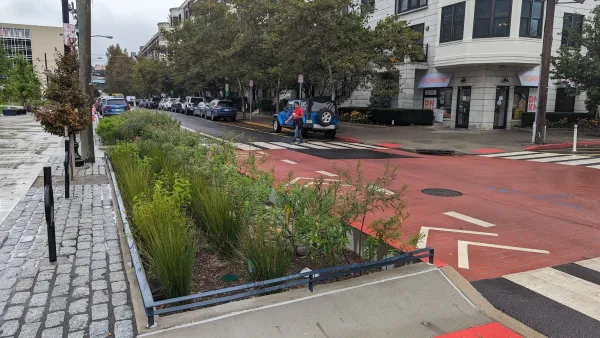
Hoboken's $20 Vision Zero fix
The New Jersey city eliminated traffic deaths for the last nine years in a row.
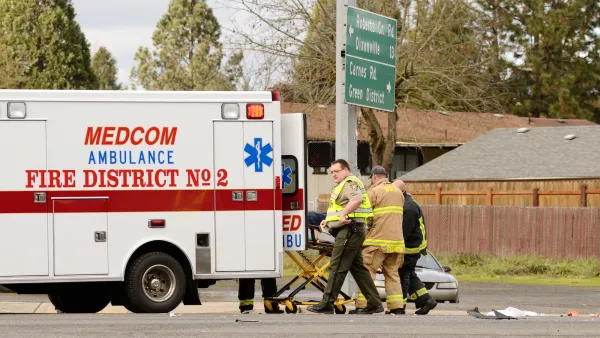
'Dangerous by Design' 2026 report highlights 72% increase in pedestrian deaths since 2009
Although US traffic deaths dropped in the last two years, the number of people killed on US roads remains much higher than two decades ago.
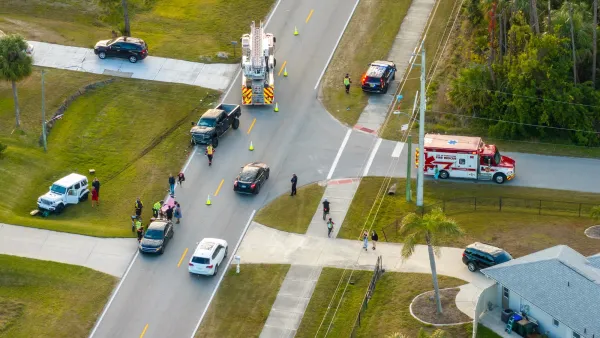
Pedestrian Deaths Fell by Largest Percentage in 15 Years, but Remain Above Pre-Pandemic Levels
After a spike in deaths during the Covid-19 years, road deaths fell to 3,024 in the first half of 2025.

The state-sanctioned urbicide of Austin
People don’t kill cities. Freeways do.

US to reduce Colorado River water deliveries to Mexico
A new Colorado Treaty amendment reduces Mexico’s Colorado River water allocation by 250,000 acre feet.

New Jersey’s second-largest city bans standalone data centers
Jersey City will continue to allow co-location facilities, such as those meant for research institutions that store their own data.

Amtrak not solely to blame for New Jersey commuter rail's unreliability, report finds
A new study from the Garden State Initiative found that NJ Transit’s budget grew 20% across a 4 year period, but reliability declined significantly over the same period.

EPA erases limits on planet-warming pollution from power plants
Under Monday’s plan, power plants would still have some limits on how much mercury, arsenic and other contaminants they can emit.

Phoenix announces new on-demand transit service, more frequent RAPID buses
Both new services will launch in October, and are part of Phoenix's Project Effective Access Solutions for Easing Congestion.

FREE Course: Walkable City 1: Why Walkability?
After describing his path towards focusing on walkability as the essence of good planning, Jeff Speck marches through his five principal reasons for making more walkable places.
Reinventing Malls: Planning Alchemy—Turning Gray Fields Into Gold
The course focuses on the opportunities and imperatives that shape reinvention of mall sites.

Eagle County Government
Harvard University Graduate School of Design
Nashville Planning Department
The Architects Foundation
University of Cincinnati Online
The Pocatello Development Authority
The Urban Renewal Agency of the City of Pocatello
Journal of the American Planning Association