Urban Development
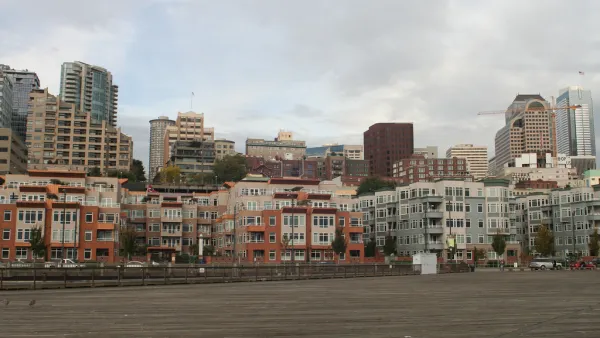
Focus on Affordability at APA National Conference
For all the discussion about affordable housing at the APA National Conference in Seattle last week, clear solutions have yet to emerge. Polycentric regional planning is one long-term goal.
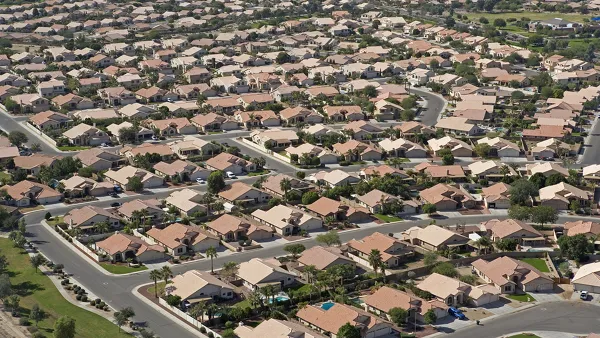
Sun Belt Remains Destination of Choice for Migrants
Census Bureau data indicates that the shift to Sun Belt suburbs is still the majority preference. Turns out warmth, jobs, and affordable housing are a powerful triumvirate.
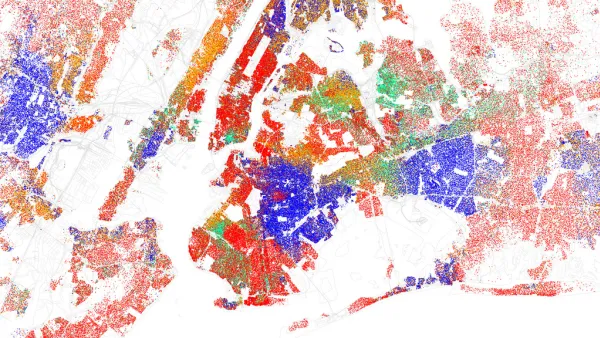
Study: More Than Income, Race Influences Neighborhood Standards
Although income inequality receives plenty of coverage these days, research suggests that neighborhoods of color have less access to resources than white neighborhoods despite similar median incomes.
How Community Benefit Programs Create Value-Added Growth and Protect Public Resources
With redevelopment funding no longer an option, South San Francisco and other cities increasingly are looking to a community benefits platform, according to Murtaza Baxamusa, a planner and urban planning professor.
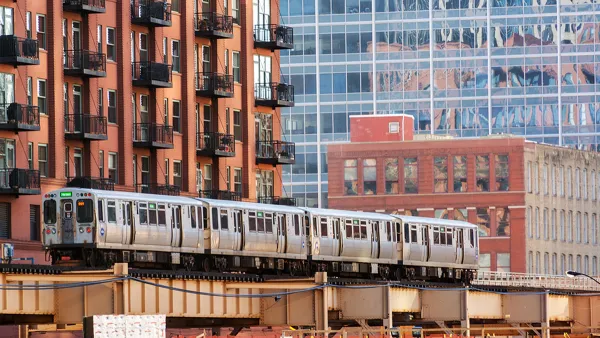
Even Chicago Struggles with Transit Oriented Development
As Chicago's population slowly dwindles, Yonah Freemark argues that the city needs to take advantage of one of its greatest assets: its transit network. Housing for residents of all incomes near transit stops may be the key.
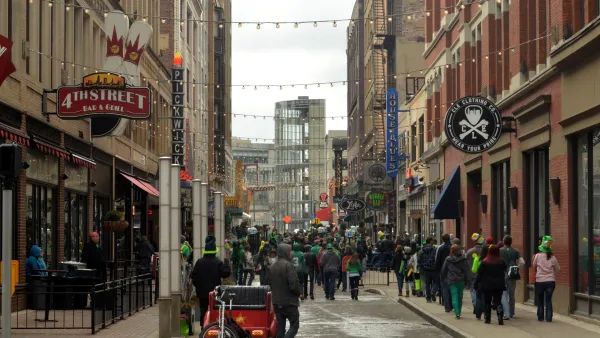
The Case for a Walkable Cleveland
In this long-form article, G.M. Donley reminds us why walkable and diverse communities have become such a planning staple. In Cleveland, New Urbanism contends with a history of sprawl and decreasing population.
Will Expenses in Coastal Cities Lead to Northeast Ohio's Resurgence?
Joel Kotkin recently waded into the conversation about that it will take to return Legacy Cities into the prosperity of former years.
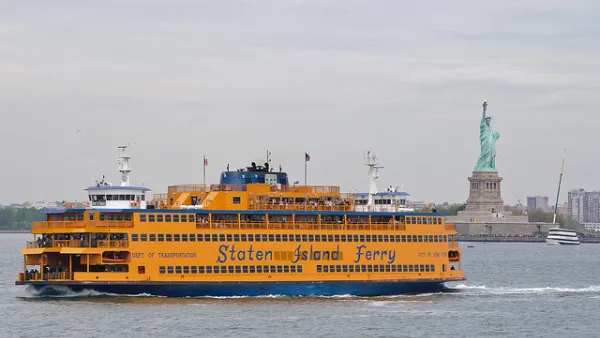
The Rise of the Fifth Borough
With real estate prices rising in the other boroughs, Staten Island is starting to look more like Brooklyn, Queens, and the Bronx. Extensive retail and residential developments are underway in what has always been New York City's suburban borough.
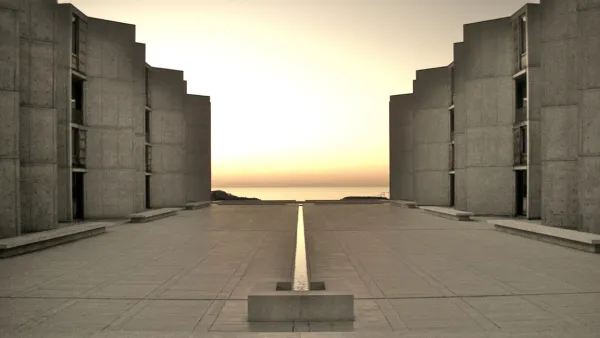
Public Space and Placemaking—Emphasis on the Public
The Salk is an exceptional world-class space, and it is accessible, but it is not a public space, writes urban designer Howard Blackson, III.
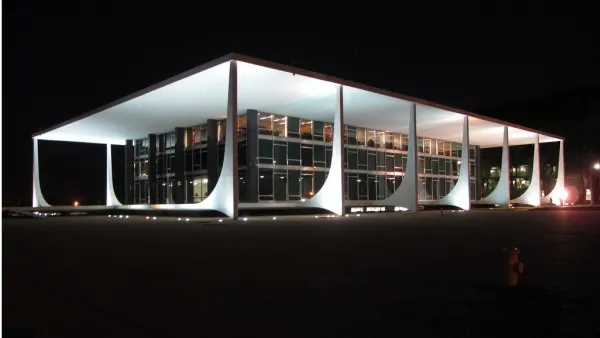
MoMA Exhibit Explores Latin American Architecture
A new exhibit at MoMA celebrates the "fitfully idealistic" architecture of Latin America, 1955 through 1980. Broad in scope, the exhibition ranges from Brasília's bold utopianism to the community-focused tactics of Bo Bardi.
A New 'Livability Index' to Help Americans Age in Place
Following on research findings produced a year ago, AARP announced the release of its Livability Index earlier this week at the APA National Planning Conference.
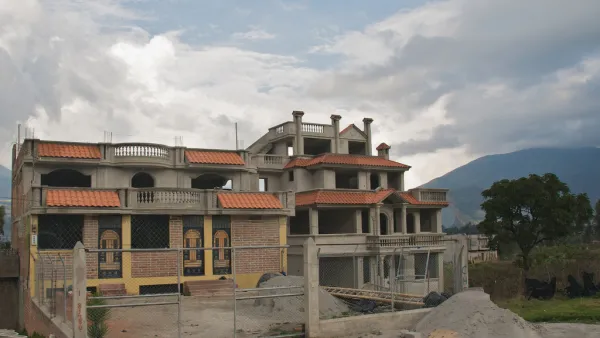
Los Angeles (Temporarily) Bans New McMansions
Concerns about out-of-character construction, much of it oversized, has led the Los Angeles City Council to prohibit construction of additional 'McMansions.' In some areas, all new development will be held up for two years.
Op-Ed: End the Excuses for Lack of Housing Construction
An op-ed in the Boston Globe argues that the endless negotiations over new residential developments—including over the inclusion of affordable housing units—hurts the city's housing market.
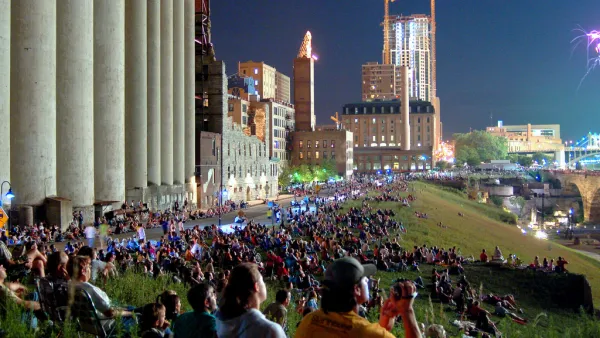
Why Is Minneapolis Growing Faster Than Chicago?
The data shows Minneapolis recovered from the recession more quickly than Chicago. And its growth rates continue to surpass those of its larger neighbor. Why did this happen, and which policies deserve credit?
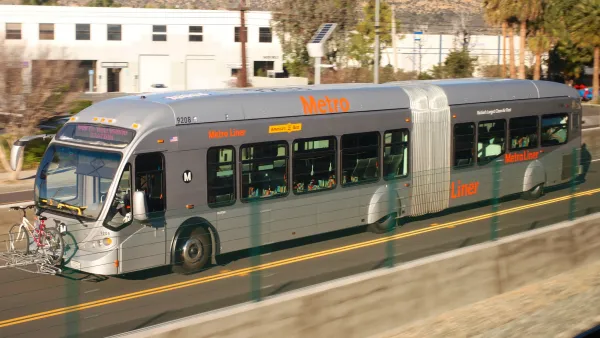
Los Angeles May Upgrade Orange Line BRT to Rail
The San Fernando Valley's Orange Line bus rapid transit enjoys solid ridership. For an area of the city especially under-served by trains, investing in light rail might be a viable option.

Op-Ed: Stop the Hipster Hate
Un-American to some, symbol of oblivious privilege to others, the urban hipster is a polarizing character. But the stereotype also lays blanket criticism on those simply trying to make people-scaled cities work.
Foresight and the Built Environment
In the ever changing global landscape, organizations need to anticipate and adapt to shifting circumstances to survive. AJ Artemel spoke to Dr. Gereon Uerz of the Arup Foresight + Innovation team to discuss how this can be realized.
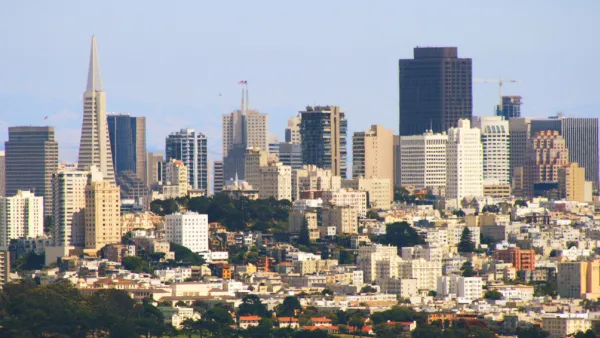
San Francisco Seeks Lighter Side of Market Street
San Francisco recently hosted a series of events to make the city's backbone, Market Street, a little more fun. It's the latest of many efforts to revitalize a street that has been problematic even as the rest of the city has boomed.

The Case for Desalination: Option of Last Resort for Some California Cities
In this radio report on the use of the expensive, controversial strategy of desalination to meet California's water needs in an epic drought, KQED's science reporter speaks with the mayor of Carmel, a V.P. of Poseidon Water, and an environmentalist.
Zoning Code Update Sparks Vocal Opposition in Santa Monica
The liberal, affluent enclave of Santa Monica is infamous for its controversies over growth policy. A proposed Zoning Ordinance Update (ZOU), currently under consideration by the City Council, has struck a nerve.

FREE Course: Walkable City 1: Why Walkability?
After describing his path towards focusing on walkability as the essence of good planning, Jeff Speck marches through his five principal reasons for making more walkable places.
Reinventing Malls: Planning Alchemy—Turning Gray Fields Into Gold
The course focuses on the opportunities and imperatives that shape reinvention of mall sites.

Eagle County Government
Harvard University Graduate School of Design
Nashville Planning Department
The Architects Foundation
University of Cincinnati Online
The Pocatello Development Authority
The Urban Renewal Agency of the City of Pocatello
Journal of the American Planning Association