With real estate prices rising in the other boroughs, Staten Island is starting to look more like Brooklyn, Queens, and the Bronx. Extensive retail and residential developments are underway in what has always been New York City's suburban borough.


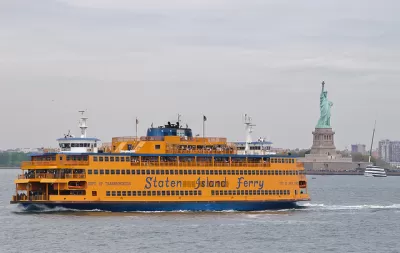
Geographically and culturally, Staten Island has always seemed more like a part of suburban New Jersey than of the urban leviathan that is New York City. That image is changing.
New development in the borough, especially on the northern end, near the Staten Island Ferry Terminal, includes high-density condos, expansive retail districts, and urban amenities that would be at home in Williamsburg or Greenwich Village. There are even plans for the city's first outlet mall and a 630-foot-tall Ferris wheel. Developers are, in essence, trying to offer the best of both worlds: urban living, without the exorbitant costs that dominate Manhattan and that have crept into the other three boroughs as well.
"Big-city cool is popping up in a place not always noted for it: Small-batch espresso will soon flow at a coffee shop; a jug band played kazoos at a recently opened brewery; and stores selling brand-name skinny-leg pants are on their way. And a fresh crop of renters and buyers, unable to afford pricier precincts and unfazed by stereotypes about how the place can seem insular, bland or run-down, are setting sail for the island."
"[I]f the pace of progress has been halting, this year could mark a turning point, with major projects starting construction, hundreds of new apartments coming to market, and online searches for Staten Island homes jumping off the charts — a strong indicator of future sales."
Read the full story: Staten Island’s Turning Point?

Mayor de Blasio Stresses Affordable Housing in State of the City Address
In his State of the City Address on Feb. 3, the New York City mayor made it clear that his overriding priority is affordable housing. He targeted six neighborhoods in all five boroughs where development will be required to include affordable housing.
NYC needs 700,000 new homes to resolve housing crisis, report states
The report gave every neighborhood a non-binding development target.
Staten Island Resists ‘City of Yes’ Zoning Reforms
One year after New York City approved major zoning changes, some residents continue to fight increased density.

Planetizen Federal Action Tracker
A weekly monitor of how Trump’s orders and actions are impacting planners and planning in America.

Amtrak, CN end decades-long dispute with eight-year agreement
The new operating agreement establishes an updated framework for the companies to work together, including processes to resolve disputes.

Judges permit Denver to divert 77,000 acre feet from the Colorado River for reservoir expansion
Overuse and climate change have caused the Colorado River’s water levels to plummet.

NYC DOT wants faster, more permanent street upgrades
The city is examining ways to build more concrete infrastructure without getting entangled in 'decades-long' projects.

'Something we’ve never seen before:' rising utility rates could strain city finances nationwide
Data centers, climate change and other factors have caused utility rates in the United States to increase by 38% since 2020.

Trump to overrule local leaders, lease millions of acres of America’s Pacific Island territories’ seafloors to mining companies
International law says that the Indigenous people of America’s territories have a right to prior and informed consent regarding projects that impact their countries.

FREE Course: Walkable City 1: Why Walkability?
After describing his path towards focusing on walkability as the essence of good planning, Jeff Speck marches through his five principal reasons for making more walkable places.
Reinventing Malls: Planning Alchemy—Turning Gray Fields Into Gold
The course focuses on the opportunities and imperatives that shape reinvention of mall sites.

Harvard University Graduate School of Design
KFH Group Inc.
Greater Baltimore Committee
The Architects Foundation
University of Cincinnati Online
The Pocatello Development Authority
The Urban Renewal Agency of the City of Pocatello