The planning process often suffers from a lack of community engagement. According to James Rojas, planners can learn from the on-the-ground urbanism of artists in East L.A.


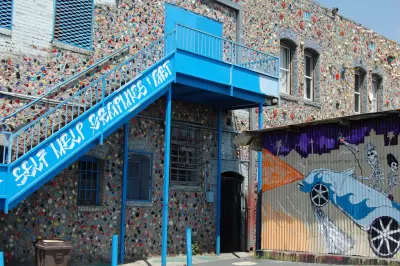
In an article for KCET, James Rojas explains how local artists can help guide planning decisions in their communities. He stresses the intimate connection many artists enjoy with their surroundings, an innate sense of place very difficult to impose, or even understand, from above. Rojas writes, "Artists put themselves out there in the public's eye because they are not afraid of the public. Urban planners sometimes dread dealing with the public and [...] hire consultants to do their public engagement."
In Los Angeles' Eastside, this natural urbanism is alive and well among Latino artists. "The Boyle Heights zoning code is similar to the West Los Angeles community of Mar Vista, but these communities feel, look, function very differently. The planning documents do not reflect the community in the visceral way art does."
Unlike the staid methods planners often use to engage the public, art inspires action. "Art venues are designed to engage, transform, and inspire the public by their nature. Public meetings, on the other hand, are frequently scheduled at awkward times, poorly attended, have a rigid agenda, and do not promote creativity [...] People generally leave an art venue satisfied, wanting more, while people leave a public meeting thinking, 'Thank God it's over.'"
Read the full story: Why Urban Planners Should Work With Artists

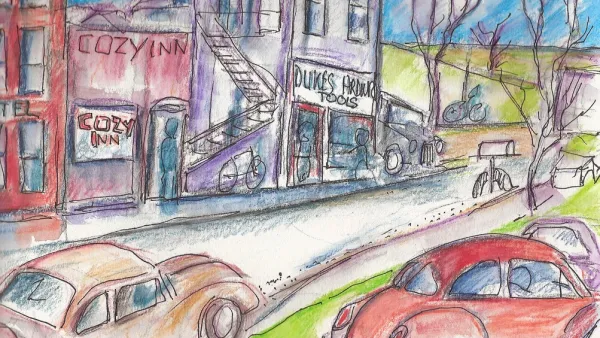
Are Small Towns the Next Arts Districts?
As rising costs expel artists from urban cores, some small towns are positioning themselves as unlikely magnets for creative expression.
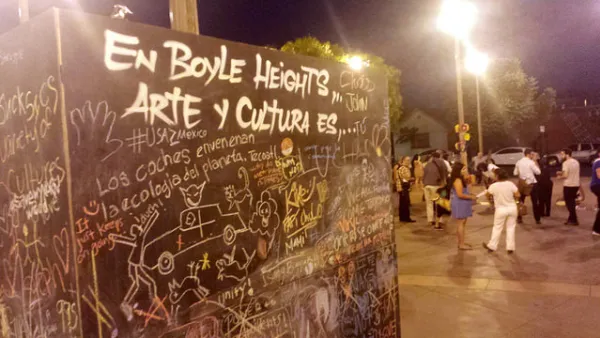
Why L.A.'s Boyle Heights Matters to Anti-Gentrification Activists
The historically Latino working class neighborhood is a frequent touchstone in debates over gentrification in Los Angeles. That history goes back decades and colors residents' perceptions.
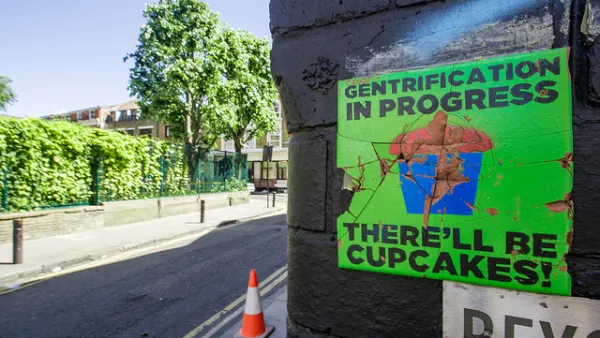
Lessons for YIMBYs From Boyle Heights
In the wake of a very pro-development March election, Los Angeles seems ready to embrace change. But not everywhere. In low-income Boyle Heights, residents have been more militant than most against encroaching gentrification.

Planetizen Federal Action Tracker
A weekly monitor of how Trump’s orders and actions are impacting planners and planning in America.

Amtrak, CN end decades-long dispute with eight-year agreement
The new operating agreement establishes an updated framework for the companies to work together, including processes to resolve disputes.

Judges permit Denver to divert 77,000 acre feet from the Colorado River for reservoir expansion
Overuse and climate change have caused the Colorado River’s water levels to plummet.

NYC DOT wants faster, more permanent street upgrades
The city is examining ways to build more concrete infrastructure without getting entangled in 'decades-long' projects.

'Something we’ve never seen before:' rising utility rates could strain city finances nationwide
Data centers, climate change and other factors have caused utility rates in the United States to increase by 38% since 2020.

Trump to overrule local leaders, lease millions of acres of America’s Pacific Island territories’ seafloors to mining companies
International law says that the Indigenous people of America’s territories have a right to prior and informed consent regarding projects that impact their countries.

FREE Course: Walkable City 1: Why Walkability?
After describing his path towards focusing on walkability as the essence of good planning, Jeff Speck marches through his five principal reasons for making more walkable places.
Reinventing Malls: Planning Alchemy—Turning Gray Fields Into Gold
The course focuses on the opportunities and imperatives that shape reinvention of mall sites.

Harvard University Graduate School of Design
KFH Group Inc.
Greater Baltimore Committee
The Architects Foundation
University of Cincinnati Online
The Pocatello Development Authority
The Urban Renewal Agency of the City of Pocatello