Urban Development
Seattle Residents Look to Community Land Trusts to Insulate from Displacement
Community land trusts are gaining popularity as a tool for building and protecting affordable housing. Seattle residents are the latest to consider the option in the face of rapid gentrification and displacement.
'Stay Hungry. Stay Foolish.'—the DNA of Urban Succession
Don't design for the climax condition if today's marketplace supports something less—and other urban succession ideas.
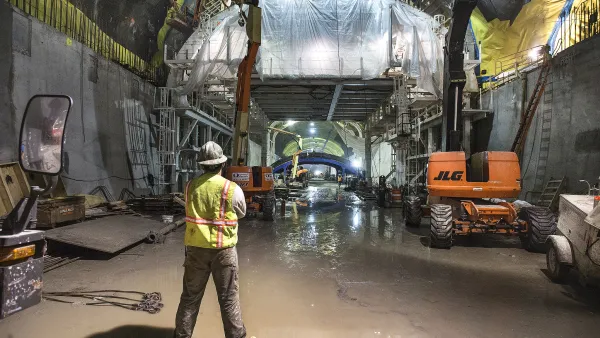
Why Are New York Transit Projects So Expensive?
Going back to Robert Moses, New York City has a history of underestimating the price of major construction projects. Inflated infrastructure costs are prompting stakeholders to seek out root causes.
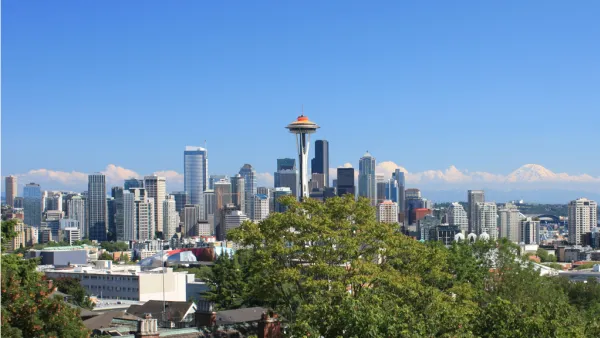
Public Policies For Optimal Urban Development
What amount of expansion, population and vehicle densities, housing mix, and transport policies should growing cities aspire to achieve? This column summarizes my recent research that explores these, and related, issues.
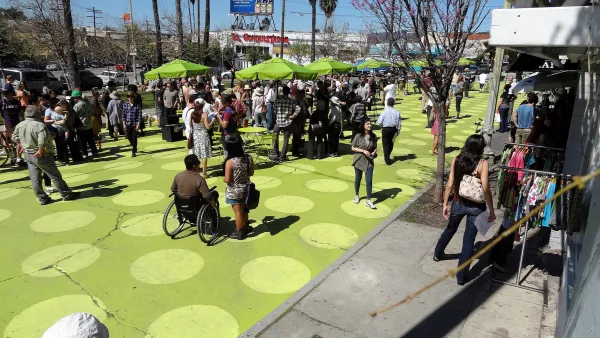
Against Generic Placemaking
'Placemaking,' the process by which cities and developers supposedly create appealing public spaces, is in a crisis, writes critic James Russell. Too many "made" places are generic and lack true relevance to the cities that build them.

Seattle Eco-District Fosters Green Development
In a bid to knit sustainability into large-scale community development, Seattle's Capitol Hill EcoDistrict is exploring several avenues toward greener land use.
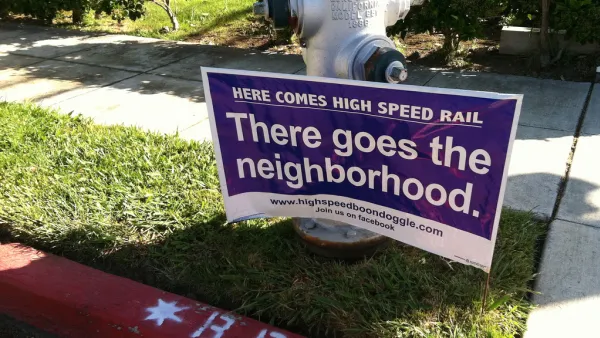
More on the Cost of Anti-Growth Policies
As urban centers start making better sense for a digital economy, NIMBY policies might be worth re-examining. In addition to driving up the cost of housing, they may compound inefficiencies and slow down the economy.
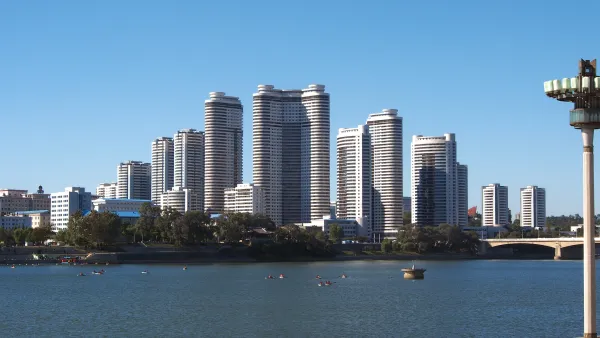
Are Asia's Planned Cities a New Colonialism?
While they look clean and green on the drawing board, Asia's planned developments might be nothing more than cloned commercialism set in concrete. By undermining local culture, this 'smart city' approach may also prove unsustainable.
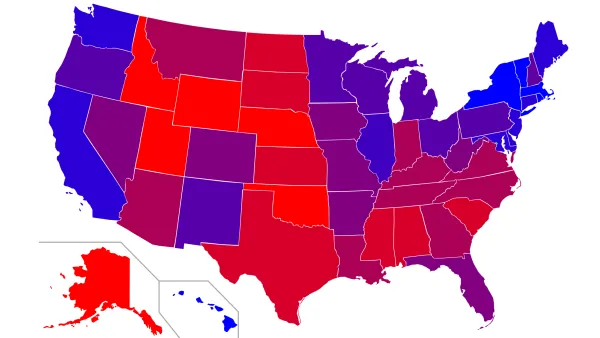
Op-Ed: Where GOP Is Strong, Cities Receive Less
When it comes to federal appropriations, urban areas in states dominated by rural Republicans are at a distinct disadvantage. In search of lobbying power, metros in affected states are banding together.
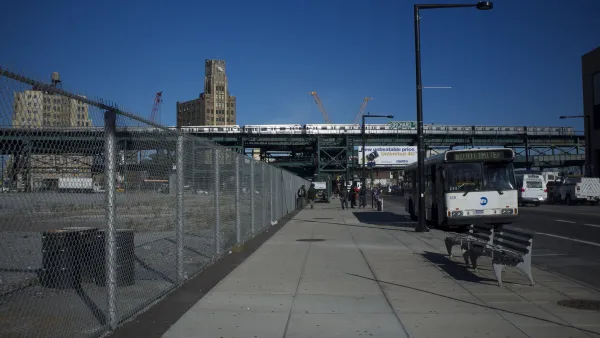
Iconic Queens Clock Tower Anchors 915-Foot Skyscraper
In a complex saga involving the MTA, an 88-year-old tower, and a planned 77-story apartment behemoth, affordable housing may be first to fall by the wayside.
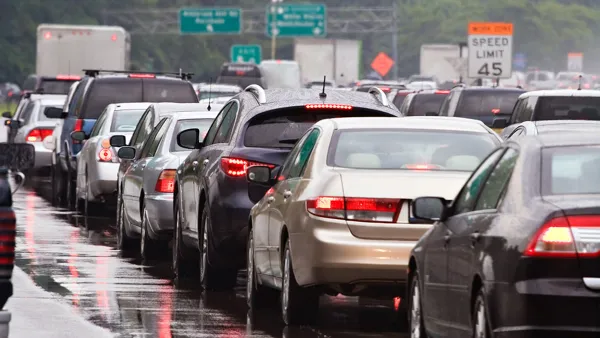
'Jobs Sprawl' Plagues Cleveland Commutes
Research from Brookings puts Cleveland in last place for improving access to jobs from 2000 through 2012. And jobs sprawl is up throughout the rest of the country as well.
Big Plans for Fort Wayne's Downtown Waterfront
Situated at the confluence of the St. Joseph, St. Marys, and Maumee Rivers, Fort Wayne, Indiana is flush with funding for an ambitious waterfront revival project.
Can Seattle Build 20,000 Affordable Units in 10 Years?
Frank Chiachiere provides some advice on how Seattle can achieve its ambitious goals for affordable housing over the next decade: build transit to places where land is less expensive.
Los Angeles Releases Ambitious 'Sustainable City Plan'
Los Angeles Mayor Eric Garcetti has ambitious plans to modernize the city. This week his administration laid out a sweeping sustainability agenda on matters of critical importance to the future of the nation's second largest city.
Quality Public Transit Benefits Land Use Outcomes
New research quantifies public transit impacts on urban development patterns, and resulting benefits. Current transit services reduces U.S. urban land consumption by 27 percent, which reduces VMT, fuel consumption and pollution emissions 8 percent.
Visioning Edges in Cities, and the Spaces Beyond
In an inspirational essay about the undeveloped boundaries of the public domain (such as street-ends), Chuck Wolfe urges innovation in city spaces where we "blend the familiar with the edge of the unknown."
Preservation and Revitalization in Latin America
Urban city centers have been decaying for years in Latin America, however, with renewed interest by Latin American governments, these city cores are once again being revitalized. Arup Connect spoke with urban design leader Pablo Lazo to learn how.
Study: Transit, Density Can't Overcome Sprawl on Carbon Emissions
A new study explains how building new transit and density along transit corridors isn't enough alone to reduce carbon emissions in metropolitan areas.
Minneapolis' New Urbanism Success Story
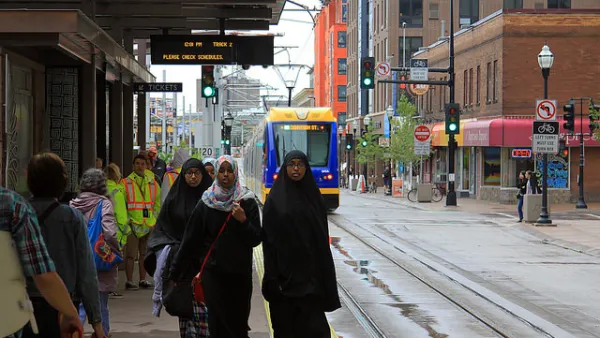
A case study in how New Urbanist principles helped transform the neighborhood around the University of Minnesota in Minneapolis.
Recession Success Story: Walkable Commercial Areas
New data show the resilience of walkable commercial areas through the recent recession. Parking minimums, however, prevent new projects from taking advantage of the strengths of such development patterns.

FREE Course: Walkable City 1: Why Walkability?
After describing his path towards focusing on walkability as the essence of good planning, Jeff Speck marches through his five principal reasons for making more walkable places.
Reinventing Malls: Planning Alchemy—Turning Gray Fields Into Gold
The course focuses on the opportunities and imperatives that shape reinvention of mall sites.

City of Rosemead
Rutgers University, Edward J. Bloustein School of Planning and Public Policy
One Hundred Miles
University of Michigan School for Environment and Sustainability (SEAS)
Hunter College, City University of New York (CUNY)
The Architects Foundation
City of Cambridge
Montrose County
The Pocatello Development Authority









