Urban Development
Brazil's World Cup Legacy Falls Short of its Billing
Evidence is building up that the Brazil's extravagant spending on the World Cup soccer championships last year won’t have the last positive impacts promised by government officials. Next up for Brazil: the Olympics.
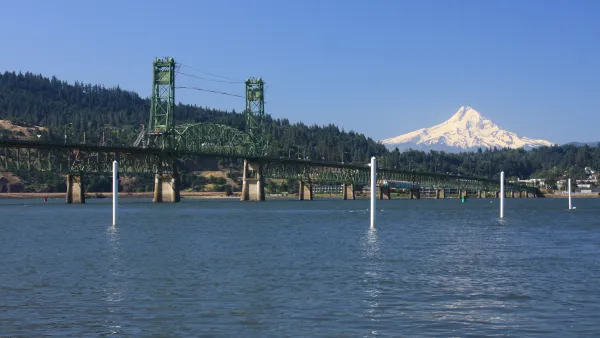
One Suburban County's Search for Land to Support Employment
Amid concerns about lackluster growth, Oregon's Clackamas County plans to create 10,000 new family wage jobs by 2019. But the county lacks the zoned land it needs to accomplish its goals.
Gentrification Concerns Ride Light Rail in Seattle
As Seattle considers a $900 million levy proposed by Mayor Ed Murray, locals are already wondering if new transit investments are precursor of unwanted gentrification.
Cincinnati Moves Mountains for a New Corporate Campus
The $100 million investment by Medpace CEO Dr. August Troendle will add a new hotel in addition to office and commercial space to the neighborhood of Madisonville. The deal that enables the project involves a lot of moving parts.
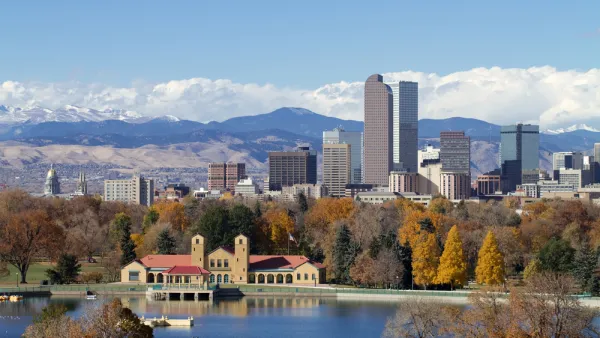
U.S. Cities Find Right Sizes for Their Greenbelts
A favorite in Europe but rare in the United States, urban growth boundaries are intended to keep cities compact and hinterlands green. The few American cities with UGB's are trying to figuring out how to use them effectively.
ULI Takes the Country's Pulse with 'America in 2015' Report
With the recently released America in 2015 report, the Urban Land Institute undertakes a broad survey to discover what Americans are looking for in their communities.
Controversial Housing Moratorium Proposed for San Francisco's Mission District
San Francisco Supervisor David Campos, who represents the popular Mission District, has proposed a 45-day moratorium on market-rate, multifamily residential development. A ballot measure is possible.
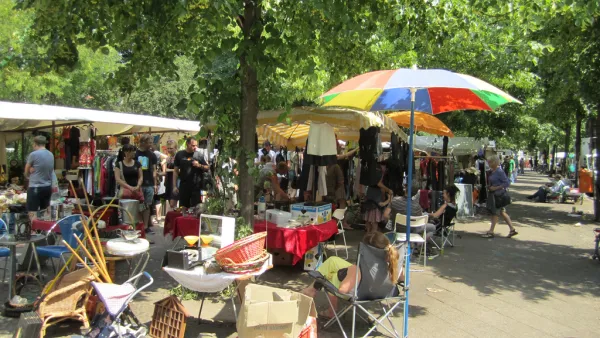
The Promise of Pop-Up Placemaking
With the support of its executive leadership, Adelaide, Australia's experimentalist city council has encouraged ephemeral projects to enliven streets. "Splash Adelaide" projects can even override council policy.
Planners Reboot Public Health Efforts in South Los Angeles
A law passed to combat obesity and diabetes in South Los Angeles by slowing the proliferation of fast food restaurants has done little to change the landscape of the area.
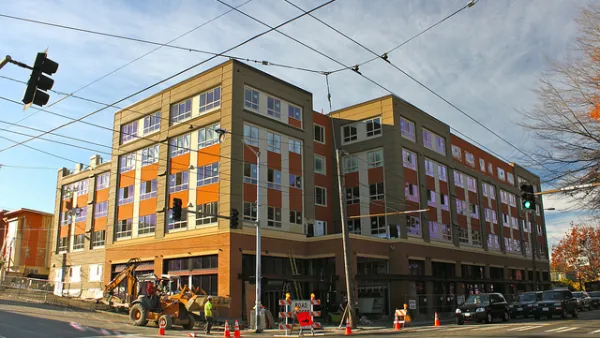
Seattle Densification Strategy: Build Apartments Without Parking
Not just any apartments, only those served by frequent transit. Developers will still have a "mobility" requirement: In lieu of a parking space, they'll need to provide tenants with transit passes and memberships in car and bikeshare services.
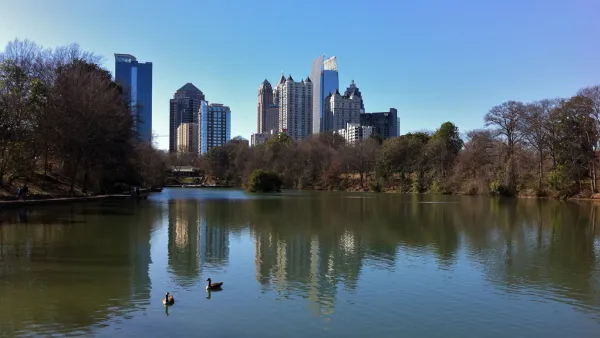
Atlanta Beltline Symbolizes Efforts to Reverse Tide of Sprawl
Famously far-flung Atlanta is finding a comforting psychic barrier in the BeltLine, a 45-mile greenbelt in the place of former railroad tracks. The city and developers are trying to make the urban core more functional and attractive.
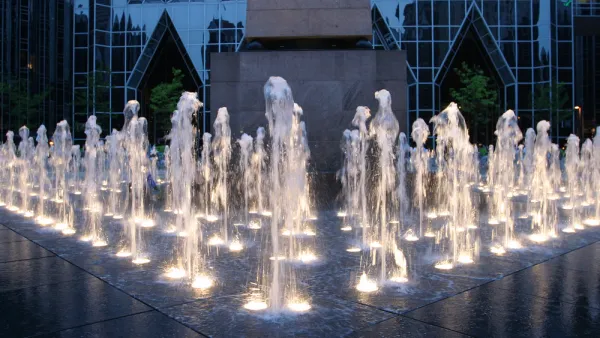
Newly Launched Gehl Institute to Study Public Spaces
Gehl Studio, the leading name in people-first design and one of the most influential forces in planning today, has philanthropic backing for a non-profit that will focus studies and work on the public sphere.

Building the Inclusive City
Income inequality, housing affordability, and residential segregation are big challenges that require more self-critical analysis and less civic self-promotion.
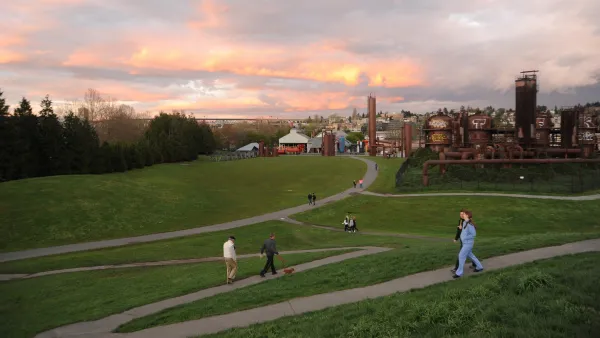
Seattle Zealously Protects Its Parkland
Based on a history of park-friendly ordinances, Seattle parks and urban forests are largely off-limits to developers. Landowners who flout these regulations must provide the city with an adjacent and equivalent parcel.
Revealed: Dan Gilbert's Next Detroit Redevelopment Investment
The neighborhood of Brush Park will be home to the latest big investment by Quicken Loans founder and Detroit patron Dan Gilbert. $70 million will build 337 new housing units on 8.4 acres.
Looking for Someone to Blame for Bad Architecture? Look in the Mirror, Says Op-Ed
Architecture Critic Mark Lamster attended the recent Congress for The New Urbanism annual conference, this year held in Dallas. One panel in particular, "How to Rebuild Architecture," proved informative.
Mapping Chicago's 375 Tax Increment Financing Projects
A new mapping project allows new access to information about Chicago's controversial tax increment financing mechanism. Now at least the debate will include visuals.
Highlights from CNU 23 Dallas
Having just wrapped up a great CNU in Dallas, April 29 through May 2, a collection of urbanists share some of the ideas that resonated the most.
The Sun Also Hides Behind Skyscrapers
The Washington Post details the concern over the shadows cast by skyscrapers on the city street below. The latest high-profile case study of the ability of skyscrapers to block the sun: New York's Midtown.
Atlanta's Big Mistake: Rushing Movie Studio Deal for Fort McPherson
Checking in on the status of negotiations for the redevelopment of Fort McPherson's 488 acres of rolling hills, historic buildings, and a lake, among much more, the Saporta Report argues that Atlanta has been far too accommodating.

FREE Course: Walkable City 1: Why Walkability?
After describing his path towards focusing on walkability as the essence of good planning, Jeff Speck marches through his five principal reasons for making more walkable places.
Reinventing Malls: Planning Alchemy—Turning Gray Fields Into Gold
The course focuses on the opportunities and imperatives that shape reinvention of mall sites.

City of Rosemead
Rutgers University, Edward J. Bloustein School of Planning and Public Policy
One Hundred Miles
University of Michigan School for Environment and Sustainability (SEAS)
Hunter College, City University of New York (CUNY)
The Architects Foundation
City of Cambridge
Montrose County
The Pocatello Development Authority









