Aldo Svaldi reports on the beginnings of a condo boom in Denver, which faces risks of legal setbacks in the "litigious environment" created by Colorado's controversial construction-defects law.


"Ever so slowly, developers are moving forward on a new wave of condo construction in the metro area — but they are treading like soldiers crossing a minefield. The developers say they are going in with the assumption they will be sued under the state's current construction-defects law and are incurring heavy costs to avoid that fate," according to the article.
Svaldi quotes a number of developer sources who credit (blame, maybe) the construction defect law for higher insurance premiums in construction and higher costs for occupants.
The article includes the arguments in favor of the law, which are represented by theBuild Our Homes Right advocacy group, which argues that "[somebody] has to pay when homes are built poorly, and weakening the state law without implementing other safeguards will only burden consumers…"
The question is also raised how affordable units could be built in the current legal environment—the higher cost of condos can balance out the insurance premiums, but the same isn't true for affordable units.
Back in October, John Aguilar reported that the city of Lakewood voted to soften the law.
Read the full story: Condos make a cautious comeback in Denver metro area


Condos, a Key Source of Affordable Housing for Homeowners, Are in Jeopardy
Decades of increasing costs and deferred maintenance could lead to people losing their homes unless changes are made.
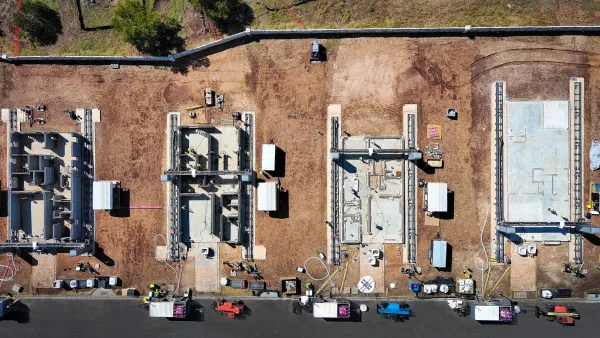
3D-Printed Community in Texas Nearly Complete
Upon completion, the 100-home Wolf Ranch Community north of Austin will be the largest 3D printed neighborhood in the world.
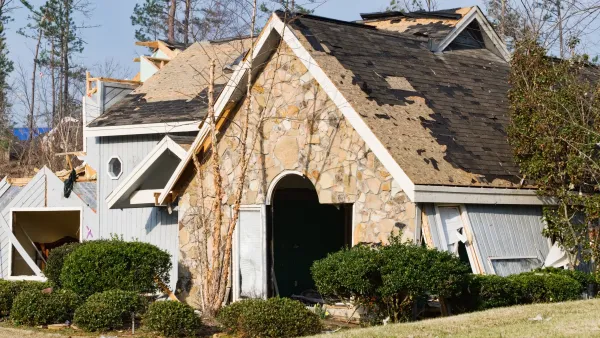
10 States Where Insurance Costs Impact Housing Affordability
Insurance companies are responding to the increasing frequency and intensity of severe weather events caused by climate change by raising home insurance premiums in high-risk states, adding another hurdle to housing affordability in the U.S.

Planetizen Federal Action Tracker
A weekly monitor of how Trump’s orders and actions are impacting planners and planning in America.

Amtrak, CN end decades-long dispute with eight-year agreement
The new operating agreement establishes an updated framework for the companies to work together, including processes to resolve disputes.

Judges permit Denver to divert 77,000 acre feet from the Colorado River for reservoir expansion
Overuse and climate change have caused the Colorado River’s water levels to plummet.

NYC DOT wants faster, more permanent street upgrades
The city is examining ways to build more concrete infrastructure without getting entangled in 'decades-long' projects.

'Something we’ve never seen before:' rising utility rates could strain city finances nationwide
Data centers, climate change and other factors have caused utility rates in the United States to increase by 38% since 2020.

Trump to overrule local leaders, lease millions of acres of America’s Pacific Island territories’ seafloors to mining companies
International law says that the Indigenous people of America’s territories have a right to prior and informed consent regarding projects that impact their countries.

FREE Course: Walkable City 1: Why Walkability?
After describing his path towards focusing on walkability as the essence of good planning, Jeff Speck marches through his five principal reasons for making more walkable places.
Reinventing Malls: Planning Alchemy—Turning Gray Fields Into Gold
The course focuses on the opportunities and imperatives that shape reinvention of mall sites.

Harvard University Graduate School of Design
KFH Group Inc.
Greater Baltimore Committee
The Architects Foundation
University of Cincinnati Online
The Pocatello Development Authority
The Urban Renewal Agency of the City of Pocatello